Rejoining the EU would cost £750m a week





All the latest analysis of the day's news






An intelligent mix of culture, food, style and property, plus where to go and what to see.


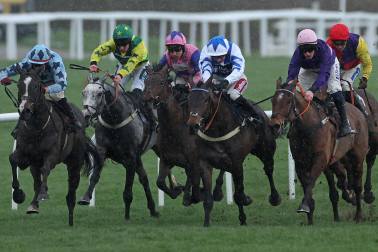
Cheltenham’s three-day November meeting rarely disappoints as a treat for fans of jump racing and, even with Willie Mullins and other top trainers not wanting to risk some of their best horses on quick ground, this weekend should be no exception. In the opening race on today’s card, the AIS Conditional Jockeys' Handicap Hurdle (1.30 p.m.), I am going to back trainer James Owen’s HIGH FIBRE after his fine run when a close fourth in the Godolphin Cesarewitch Handicap at Newmarket last month. That race was, of course, on the flat but it was a career-best performance and it makes him look very well handicapped off a mark of just 120 over hurdles.

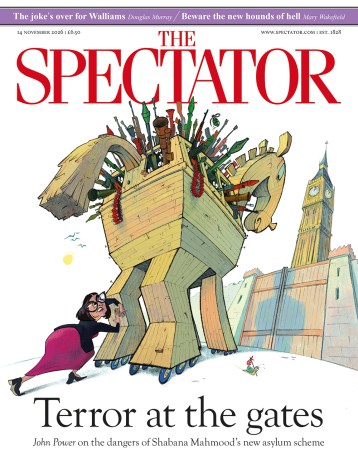
This week's magazine
The dangers of Shabana Mahmood’s new asylum scheme
In the Aeneid, after the purported departure of the Greeks, the Trojans find two things left behind: a great wooden horse and a Greek soldier named Sinon. Sinon is brought before King Priam of Troy. He tells an emotive story about being persecuted at the hands of his enemies while imploring the Trojans to accept the wooden horse into the city, promising that it is a gift from Minerva. Priam is so moved by Sinon’s story that he tells him: ‘Whoever you are, forget the Greeks lost to you, you’ll be one of us.’ That night, now unchained and trusted to walk the city, Sinon opens the wooden horse and out comes a group of hardened soldiers, who set about burning and razing his supposed sanctuary.
In the Aeneid, after the purported departure of the Greeks, the Trojans find two things left behind: a great wooden horse and a Greek soldier named Sinon. Sinon is brought before King Priam of Troy. He tells an emotive story about being persecuted at the hands of his enemies while imploring the Trojans to accept the wooden horse into the city, promising that it is a gift from Minerva. Priam is so moved by Sinon’s story that he tells him: ‘Whoever you are, forget the Greeks lost to you, you’ll be one of us.’ That night, now unchained and trusted to walk the city, Sinon opens the wooden horse and out comes a group of hardened soldiers, who set about burning and razing his supposed sanctuary.
The good, the bad and the ugly in books, exhibitions, cinema, TV, dance, music, podcasts and theatre.
The cover of the latest, much admired Vittles magazine displays a mocked-up tombstone bearing the inscription: ‘In affectionate remembrance of Food Writing, born 1825, died 2026. Deeply lamented by a dwindling circle of friends and well-wishers.’ Inside is an essay that dives deep into the theme of influence and influencers and the effect this kind of advertising – it is rarely independent thought – has on food media. Vittles’s argument is that there’s not much to cut out and keep these days. Still, the cult of the cook book fights on, even if it’s shrunk like a jumper in a hot wash. A great cook book can be the most joyous read of all – my thoughts, having just put down Jeremy Lee’s Kitchening: Day-to-Day Good Food, Come Rain or Shine (Fourth Estate, £30).





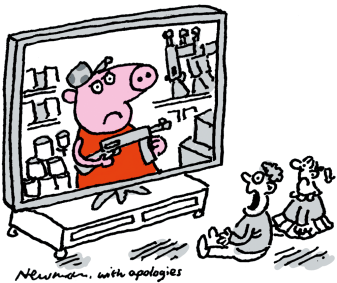
Cartoon
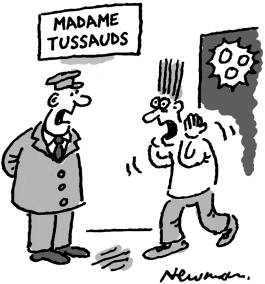
Cartoon
Cartoon