Geoffrey Cain

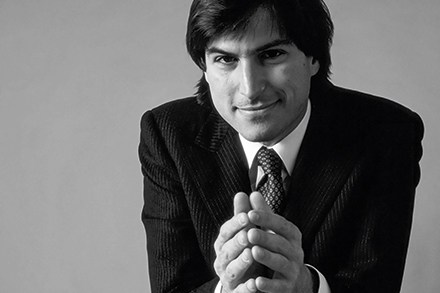
Geoffrey Cain is the author of Steve Jobs in Exile: The Untold Story of NeXT and the Remaking of an American Visionary, due out from Portfolio in the US on May 19.

Will Trump and Xi get what they want?

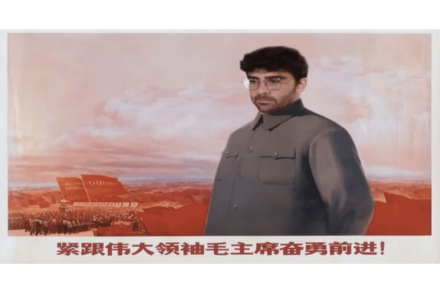
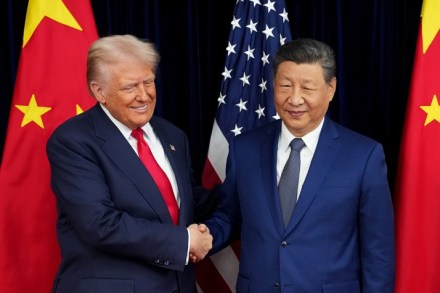
Donald Trump flew to Beijing this week and wants three things when he sits down with China’s President Xi Jinping: a tariff truce that survives his own courts, Chinese pressure on Iran to end the war that never seems to end and a photograph that makes him look victorious. Xi has problems of his own. But he has watched four American presidencies from Zhongnanhai, the walled compound beside the Forbidden City where the Communist party leadership rules, and he knows the value of silence when his counterpart is talking himself into trouble. Trump’s approval rating is the lowest of his second term. What Xi wants from this meeting with Trump is recognition: two great powers, two systems, meeting as equals Trump has obliged Xi noisily.

Why Apple’s new CEO will play it safe

When Apple named its next chief executive last month it did so without ceremony. Tim Cook will become executive chairman on September 1; John Ternus, his senior vice-president of hardware engineering, will succeed him as CEO. The announcement came with a photograph, not a keynote: the two men walking through Apple Park, the circular glass campus in Cupertino that Steve Jobs designed with the British architect Norman Foster and did not live to see completed. It was the first Apple succession of the post-masterpiece age, and the prose matched. Apple said the transition had been approved unanimously by its board after a “thoughtful, long-term succession planning process.” Cook had spent 15 years building a company that could change its CEO without spectacle.

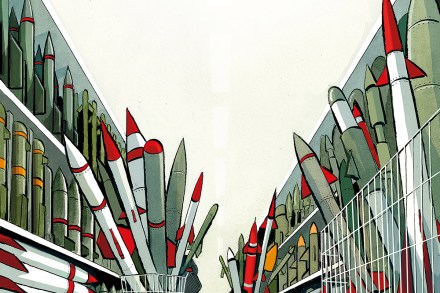
How the West is empowering China’s war machine

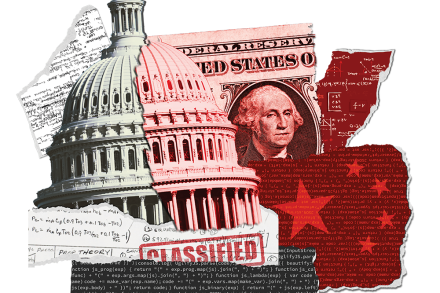
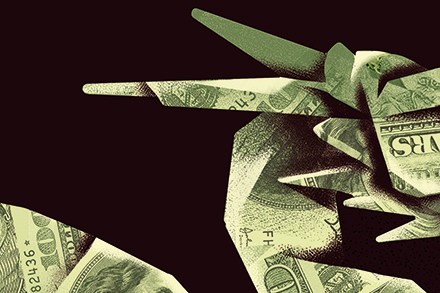
The West’s technology brains and universities are arming China. A few of them are potentially breaking the law to do it, but most of them don’t need to. The front door has been open for years, and nobody in London or Washington has thought to close it. According to a federal indictment unsealed in Manhattan last month, on December 18, 2025, in a warehouse somewhere in Southeast Asia, a team of men used a hair dryer to peel serial-number labels off genuine server boxes and press them onto fakes. The real servers, loaded with some of America’s most restricted artificial intelligence hardware, are alleged to have long since been shipped to China. What remained, according to the indictment, were dummies – non-working replicas repackaged to look untouched.

Geoffrey Cain, Justin Marozzi, Alex Diggins & Sam France

From our UK edition

30 min listen

On this week’s Spectator Out Loud: Geoffrey Cain explains why Trump’s real target with Iran is China; Justin Marozzi argues ancient history might be on the side of Ayatollah Khamenei’s supporters; Alex Diggins warns about the catastrophic consequences that may befall the Palace of Westminster; and finally, Sam France celebrates the 50p coin. Produced and presented by Patrick Gibbons.

Geoffrey Cain, Justin Marozzi, Alex Diggins & Sam France

Iran: is Trump’s ultimate target in this war China?

30 min listen

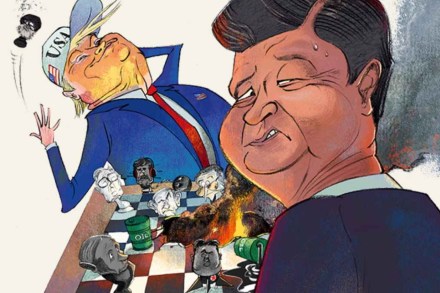
As the crisis in the Middle East has escalated, Donald Trump's posturing has led many to question his strategy – and if he even has one. Geoffrey Cain, former foreign correspondent, expert on authoritarian regimes – and the author of this week's cover piece in the Spectator, joins Freddy Gray to explain why Trump's ultimate target in the war is China. From the Belt and Road development initiative to more tacit bilateral support, President Xi has been playing a game of chess, to try to check America's power. With Nicolas Maduro arrested and Ayatollah Khamenei assassinated, President Trump is showing his willingness to project American power, at whatever cost – so far. Cain raises questions for those who assume we're moving to a multipolar world.

Iran: is Trump's ultimate target in this war China?

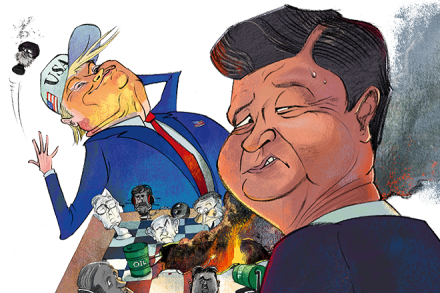
The greater game: Trump’s ultimate target in this war is China

The United States and Israel killed Ayatollah Khamenei, and Xi Jinping’s decade-long project to build an alternative to the American-led order died with him. The view in Beijing has been that the West is declining. Xi built his foreign policy on that premise For years, Beijing quietly assembled a network of dictatorships and client states designed to blunt American power. Iran supplied China with cheap oil and kept Washington bogged down in the Middle East. Russia waged war on Ukraine with Chinese materiel support, a gamble that was supposed to cement a powerful anti-western axis but has instead bled Moscow into dependence on Beijing. Regional proxies from Lebanon to Gaza added just enough chaos to stop Washington focusing on China.