Simon Diggins

Simon Diggins served as defence attaché in Kabul from 2008 to 2010.

Britain is facing an Islamist insurgency

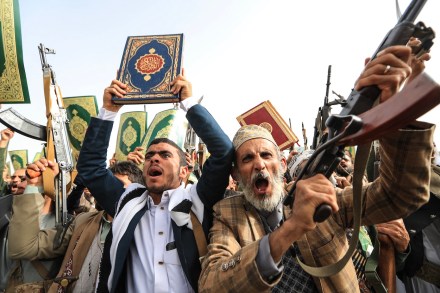
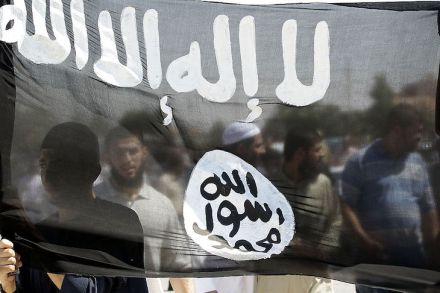
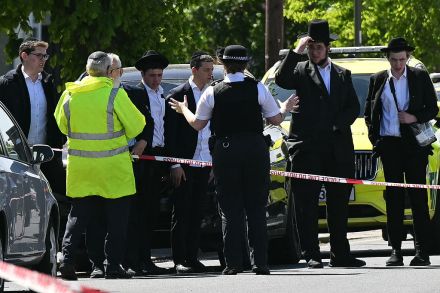
The recent horrific attack in Golders Green has generated much anger and despair at this latest in a series of concerted, violent assaults currently aimed primarily at the Jewish community, but with a clear lineage to earlier Islamist outrages such as the murder of Fusilier Lee Rigby and the London Bridge attacks of 2017 and 2019. The UK terrorism threat level was raised to ‘severe’ following the attack on Thursday. But terrorism, ‘…an action or threat designed to influence the government or intimidate the public’, is an inadequate descriptor of what we face. Instead, I believe we face a different problem: a full-blown insurgency.

What is Putin’s game?

From our UK edition

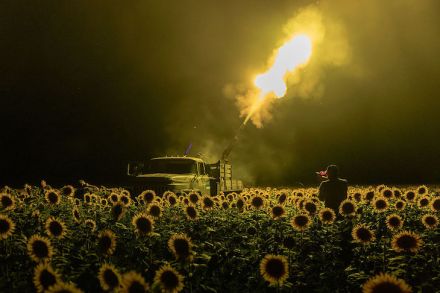
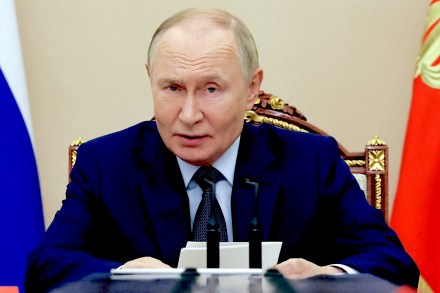
What happens when you boil a frog? It doesn’t notice the warming water until it is too late. According to Margus Tsahkna, Estonia’s foreign minister, Russia is boiling Nato like a frog. He fears that Vladimir Putin’s provocations of Nato (none of which on their own would necessitate a military response) will become increasingly and slowly severe, testing and ultimately undermining Nato’s defences. There is force to his argument. Two weeks ago, Polish air defences shot down Russian drones. Last Friday, Russian jets violated Estonian airspace and forced Nato planes to scramble. More drones, operated by a ‘capable actor’, according to a Danish Police spokesman, flew over Norwegian and Danish airports earlier this week, forcing their closure.

China’s parade spells trouble for Taiwan

From our UK edition

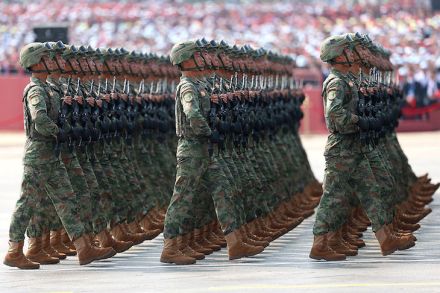
The massive military parade in Beijing today definitively marks the end of the post-World War Two era. Nominally, the 80th Anniversary of China’s victory in ‘The War against Japanese Aggression and the World Anti-Fascist War’, it has been used by China's president Xi to, in the words of Reuters, '…demonstrate Xi’s influence over nations intent on reshaping the Western-led global order' – an order that began with the end of World War Two. Sharing the podium with Xi – but not invited to review the parade – were presidents Putin of Russia and Kim Jong-un of North Korea.

How Britain ended up in the Afghan asylum mess

From our UK edition

The Afghan data leak has generated a mass of lurid headlines and, no doubt, there is still much analysis, pointing of fingers and assigning of blame to come. But how did it happen that the UK ended up with such an obligation to so many thousands of Afghans and their families? I support the evacuation, but clarity of ends does not necessarily justify the means. My assessment is that between 2014 and 2021 – when we, along with other Isaf nations, had moved from a combat to a support and capacity-building role – we took our eye off the ball. We accumulated liabilities but had no real mechanism to understand or control them.

Why didn’t the UK rescue Afghan interpreters sooner?

From our UK edition

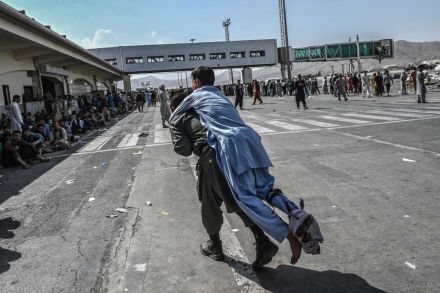
We lost. Whatever hope we had that we could help Afghanistan crawl out of its misery has been shattered. The dreams of the 14 million women in Afghanistan or the tens of thousands of Kabul university graduates, who had grown-up after the expulsion of the Taliban, are now in ruins. Afghanistan has been broken again, by the Afghans’ inability to bury their personal or ethnic differences; by the perfidy of the Pakistanis, who have harboured and nurtured the Taliban; and by the actions of a foolish old man who happens to be US President. Caught in this web of misery are those who supported the Allied forces and those who participated in the Afghan renewal and modernisation programme.

We need to act now to save the army’s Afghan interpreters

From our UK edition

In July 2010, near the end of my two-year tour as defence attaché in Kabul, I was phoned by the commander of our field hospital in Camp Bastion. ‘Simon’, he said. ‘We’ve an interpreter here, a triple amputee, and we can’t do anything more for him – we’re a field hospital, and don’t do definitive care.’ I was puzzled. ‘Surely, you just evacuate him back to Selly Oak Hospital in Birmingham, like all our other badly wounded soldiers, and they can look after him there?’ He explained that he couldn’t – the Home Office was worried that the interpreter, or his companion, might claim asylum.