Paris burning / France is a warning – our civilisation is not immortal



All the latest analysis of the day's news






An intelligent mix of culture, food, style and property, plus where to go and what to see.





Is demand for the water of life running dry? I’ve just returned from a trip to Islay in Scotland, which has more whisky distilleries per square mile than anywhere else in the UK, and several of its famous single malts are struggling. Suntory, which owns Bowmore and Laphroaig, announced in February that it was merging the staff of the two brands, with Bowmore ceasing production until the end of the year, and Laphroaig putting its planned expansion on hold. Meanwhile, Sainsbury’s recently dropped the price of a bottle of eight-year-old Lagavulin to £40, down from its recommended retail price of £52.50. Are we in the foothills of a global whisky recession? Alice from the Lagavulin visitors’ centre, who took Caroline and me on a tour on Sunday morning, seemed fairly bullish.
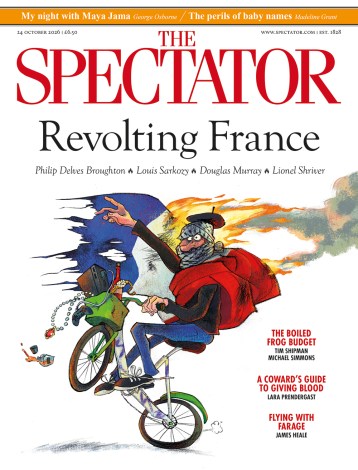
This week's magazine
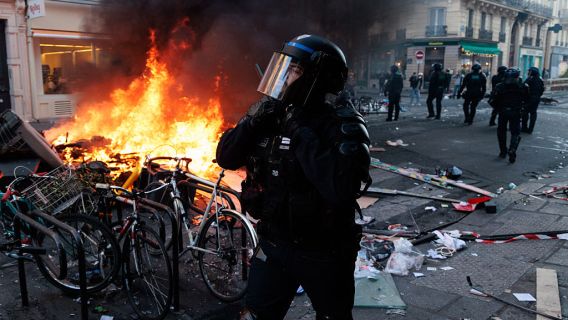
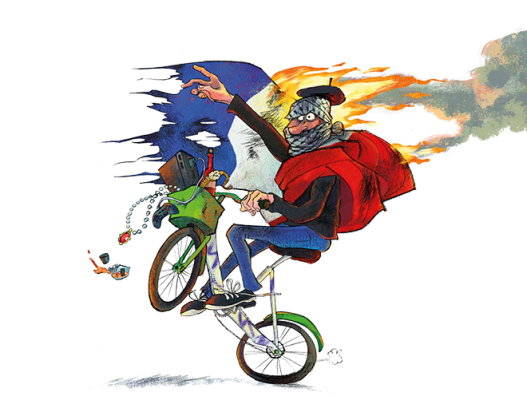
Paris The wonderful thing about electric bikes, if you are fighting with French riot police, is the way they burn. You skid your Lime or Vélib’ into the middle of the Boulevard de Magenta, which leads from the Gare du Nord down to the Place de la République, and set it alight along with a pile of ordinary bikes, and soon you have a conflagration of rubber and battery chemicals. During the weekend’s street protests, the fires provided cover for rioters breaking into mobile phone, vape and jewellery stores and the money-transfer shops which serve the many immigrants who work in eastern Paris. By Monday morning, a vicious guard dog stood outside an Intermarché supermarket, snarling at customers coming in one by one.
Paris The wonderful thing about electric bikes, if you are fighting with French riot police, is the way they burn. You skid your Lime or Vélib’ into the middle of the Boulevard de Magenta, which leads from the Gare du Nord down to the Place de la République, and set it alight along with a pile of ordinary bikes, and soon you have a conflagration of rubber and battery chemicals. During the weekend’s street protests, the fires provided cover for rioters breaking into mobile phone, vape and jewellery stores and the money-transfer shops which serve the many immigrants who work in eastern Paris. By Monday morning, a vicious guard dog stood outside an Intermarché supermarket, snarling at customers coming in one by one.
The good, the bad and the ugly in books, exhibitions, cinema, TV, dance, music, podcasts and theatre.
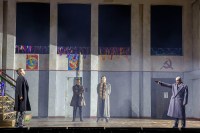
Where are we? That’s the question raised by Ian Rickson’s version of The Cherry Orchard adapted by Conor McPherson. The setting appears to be a capitalist Russian society that never existed. The young characters wear casual 1950s gear – T-shirts, wristwatches and sunglasses – but the older men can recall a time before the emancipation of the serfs in 1861. Slightly confusing. Has the revolution happened or not? It might be simpler to set the play in 1903 when it was written. The high-status characters use posh Home Counties accents while the servants and hangers-on seem to hail from Scotland, Ireland and Germany. That chaotic set-up works better than it might. The show never fully coheres and it almost feels like three separate plays.





Cartoon

Cartoon
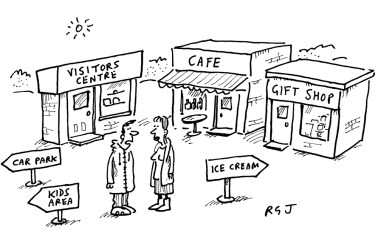
Cartoon