Politics / The hijacking of Ann Widdecombe’s death


All the latest analysis of the day's news






An intelligent mix of culture, food, style and property, plus where to go and what to see.





Last week I watched a clip of Ian Wright explaining why it meant so much to him, as a black former player, that Jude Bellingham is uninhibited about revelling in his achievements. In the past, he said, some black players had been criticised for being too cocky, as though they’d forgotten their place. So he was pleased that it is now completely acceptable for a black player to strut around with a bit of swagger. I can see his point, but I also thought: why do you have to racialise this remarkable young player? Can’t we just celebrate him as an Englishman? England’s progress in the World Cup is one of those moments in which we’re supposed to set our differences aside and come together.

This week's magazine
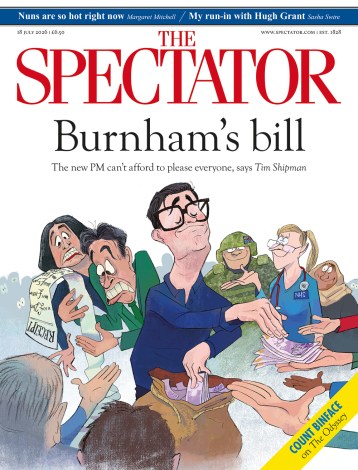
The new PM can’t afford to please everyone
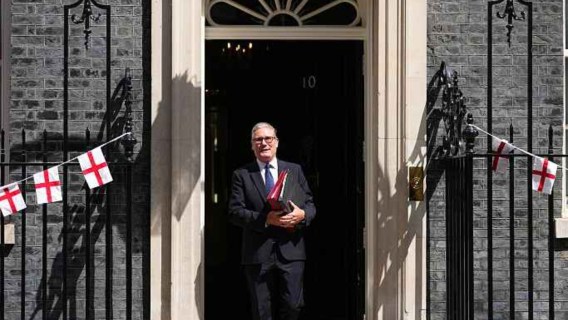
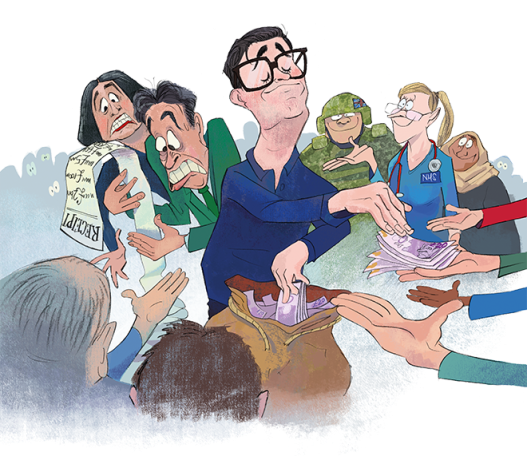
Andy Burnham thinks his critics need a new joke about him. The old one about a Blairite, a Brownite and a Corbynite walking into a bar (‘Hello, Mr Burnham,’ says the barman) is about to be eclipsed. On Monday, it won’t be a barman offering good wishes – it will be the Cabinet Secretary, Antonia Romeo, when Burnham walks into No. 10 as Britain’s 59th prime minister. Before that, on Friday, Burnham will accept the leadership of the Labour party, unopposed, at the headquarters of the Trades Union Congress. The speech he will give is still being worked on, but Burnham is ‘holding the pen himself’, aides say.
Andy Burnham thinks his critics need a new joke about him. The old one about a Blairite, a Brownite and a Corbynite walking into a bar (‘Hello, Mr Burnham,’ says the barman) is about to be eclipsed. On Monday, it won’t be a barman offering good wishes – it will be the Cabinet Secretary, Antonia Romeo, when Burnham walks into No. 10 as Britain’s 59th prime minister. Before that, on Friday, Burnham will accept the leadership of the Labour party, unopposed, at the headquarters of the Trades Union Congress. The speech he will give is still being worked on, but Burnham is ‘holding the pen himself’, aides say.
The good, the bad and the ugly in books, exhibitions, cinema, TV, dance, music, podcasts and theatre.
You can tell things have started to get really bad by the fact that they’re bringing back Little House on the Prairie. When a society is in serious crisis – or so I’ve read – it no longer needs edgy, transgressive, exciting art to push boundaries and challenge assumptions. Rather, it needs to be soothed and cosseted with bland, undemanding and familiar comfort food. Nothing, not even The Waltons, does that quite like Prairie. It first appeared on British screens in January 1975 – so after an annus horribilis, including the Three-Day Week, power cuts, the miners’ strike, the Birmingham and Guildford pub bombings, etc. – and was scheduled to capture children just before bedtime.







Cartoon
Cartoon
Cartoon