As we ponder the ups and downs of the UK’s sporting record this summer, it might be worth noting their unquestioned prowess when it comes to the demands of classically based dancing. The Royal Ballet is consistently more than a match for any comparable company in the world, and its chief feeder, the Royal Ballet School, currently celebrating its centenary, is similarly and solidly rated as one of the two or three best of its kind anywhere.
Both these institutions are deeply beholden to tradition, and the RBS might well be the most unabashedly elitist educational establishment in the country. It receives globally more than 2,500 applications a year. All these will lead to an audition, the number finally whittled down to 30-odd offers of a full-time place. For a nice change, merit and potential are strictly the only criteria in a rigorous selection process (entirely misrepresented in the film and musical Billy Elliot). About half its 200-odd students, entering between the ages of 11 and 18, are British citizens. The great majority receive substantial scholarships, financed via the government and private donors.
The RBS is divided between a junior section housed in White Lodge in Richmond Park and a senior section next to the Royal Opera House; recent inspection reports are highly favorable, both academically and pastorally – “all the relevant standards are met” – and it undoubtedly comes up with the goods, inasmuch as virtually all its final-year graduates end up with a professional placement.
The Royal Ballet School is not a place for sissies: nobody there is going to be mollycoddled
The RBS is, however, extremely defensive of its reputation and cagey about granting outsiders access. In the recent past there have been accusations that the draconian drill and repetition necessary to instill balletic technique can degenerate into thoughtless cruelty. The stress and competition certainly gets dangerously intense, particularly for children who aren’t maturing physically in the right way and for their own good need to be periodically “assessed out” – in other words, required to leave. Close watch is kept for eating disorders, always a concern among teenage girls, but especially so among aspiring ballerinas. Given the amount of close contact dance involves, guarding against sexual abuse is also a sensitive matter.
Five years ago, in the wake of the hushed-up suicide of the choreographer Liam Scarlett, these and other issues were discomfortingly aired in a whistleblowing article by Luke Jennings in the London Review of Books, followed in 2023 by a BBC Panorama documentary, luridly entitled The Dark Side of Ballet Schools. The evidence presented included submissions by some who simply hadn’t made the grade, and there was a whiff of sour grapes in their accounts of the way they had been bullied and demoralized. But the RBS is not a place for sissies: nobody there is going to be mollycoddled.
Leadership today is tripartite. A CEO administrates, while a headmaster oversees standard academic education (students sit up to eight GCSEs and later a BA in dance, validated by the University of Roehampton; a few opt to take an A-level too). At the apex, however, is the artistic director, who manages a training program that prepares students to enter international companies at 18 or 19. In the past, emphases in the curriculum have been the source of considerable friction, as school directors such as Dame Merle Park and Gailene Stock promoted ideas that didn’t align with what the Royal Ballet – the school’s primary target – required. The present incumbent is Iain Mackay, himself once a student at the RBS and a former principal of Birmingham Royal Ballet. Only two years into the job, he is both personable and plausible, but he has already made a radical change that could have a far-reaching impact. (He refused a request for an interview.)
Beginning this fall, the school will raise its starting age for full-time boarders from 11 to 12. Year 7 students will train through a new network of regional hubs, building on existing plans. Presumably this is partly a money-saving exercise, but more crucially, it means both less immersive training and (perhaps) better balanced psyches. What it means for the development of young bodies is the big question. The top Russian ballet schools whip ten-year-olds into an almost vacation-free boarding program, resulting in physiques that are much looser and steelier, leading to lower injury rates as well as almost militaristic dedication to the cause. The RBS schooling, broadly speaking, tends to produce elegant and musical dancers, notable for fast footwork, whereas the Russians score for athleticism, supple backs and a brilliant jump – the serpentine ballerina Svetlana Zakharova being exemplary.
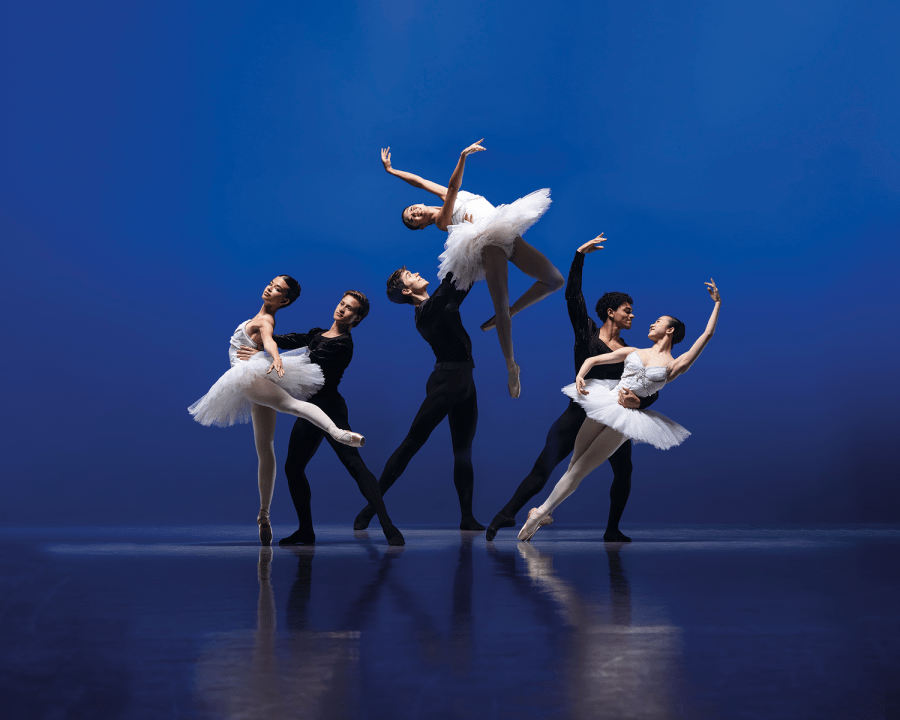
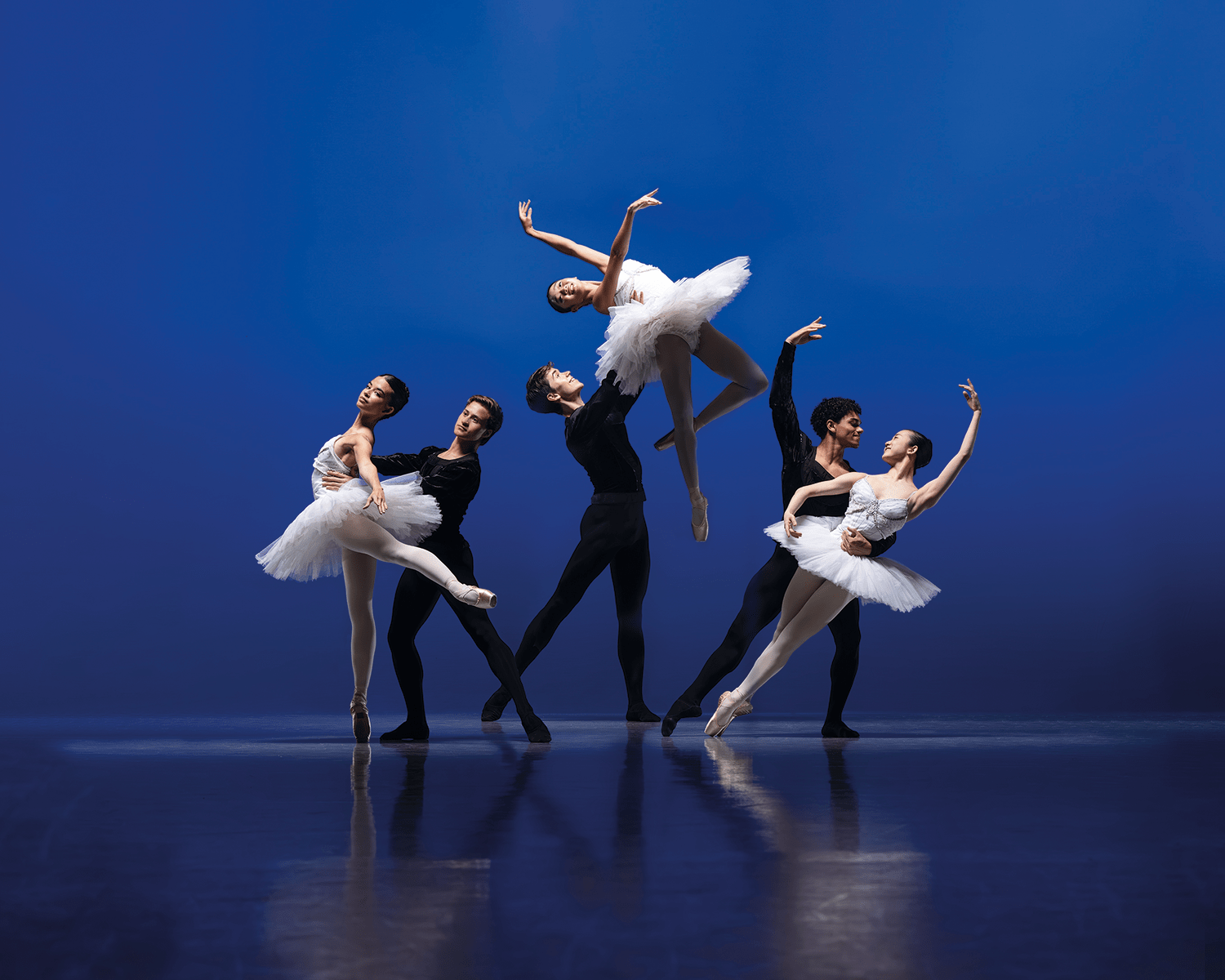
Every summer the school showcases all its students in public performances at the theater in Holland Park and a matinée at the Royal Opera House. I saw this year’s cohort at Holland Park, where they play in an open-sided tent. To the last they coped like troupers with the sweltering heat, as they did with deafening recorded music.
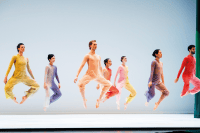
A centenary program honored the school’s past, including short works modestly tailored to flatter teenagers’ abilities, choreographed by alumni David Bintley, Jessica Lang and Christopher Wheeldon. Most memorable was a fantasy subtly imagined by Cathy Marston, in which former ballerina and RBS student Deborah Bull – now Baroness Bull, deputy speaker of the House of Lords, for heaven’s sake – makes a ghostly visit to a rehearsal studio where the sight of young dancers limbering up revives all the dreams and fears of her own distant childhood. Fascinating though it was to see extracts from the 1937 chessboard drama Checkmate by RBS’s founder Ninette de Valois, the young dancers failed to convey its brutal, fascistic overtones.
Throughout the boys produced clean line, bounce and bravado: plenty of virility there, almost to a fault. The neat and tidy girls seemed to be holding back something – sensuality? You didn’t feel them inside the music, dancing through it: they’re simply on or off the beat. Ballet, of course, has a deep aesthetic root in parade-ground discipline, but I was more immediately reminded of a conversation I had some years back with a Royal Ballet dancer who had retired young and gone into acting.
“All the training at the school was about following the rules and doing what you were told,” was the gist of what he said. “When I joined the company and got on stage, the coaches kept telling me to express some personality. What personality? At the school, I had never been allowed to feel that I had any.”
That elusive individuality and allure was found only in Alecsia Maria Lazarescu, who lit up a pas de deux in Bintley’s neoclassical confection. Remember her name. But plaudits are also due to Samantha Striplin for an impeccable round of fouettés in Act Three of Swan Lake; to Fabrizzio Ulloa Cornejo for buoyancy and charm; and to Millán de Benito for sensitive partnering. All except Striplin have been signed up to the Royal Ballet for next season, along with three others.
A second program, focused on years 7 to 11, was both exhilarating and poignant. Exhilarating, because of all the youthful hope, energy and commitment evident in a jolly suite from Coppélia and in short new works about climate change and so forth that the youngsters had choreographed themselves. Poignant, because in these slender and immature bodies talent lies in embryo and one is painfully aware that only a handful will make it through to parturition.
The RBS seems to be doing a fine job at fulfilling its core mission of producing technically competent, resourceful and biddable dancers. Matthew Paluch, a former RBS student and distinguished teacher, thinks that this is all it can reasonably be expected to do. “Nobody leaving school at 18 should be assumed to be the finished article. How much experience of life will you have had? You could say that RBS graduates are beautiful blank canvases. Isn’t it up to the companies they join to develop their artistic sensibilities further?”
But there remains a dearth of intelligent dancers with rich imaginations, exuding the personality that my old friend felt had been crushed out of him. Perhaps ballet schools could usefully draw lessons from the way that teenage football prodigies such as Jude Bellingham have been nurtured through an academy system and the Elite Player Performance Plan: if the UK is to retain its global standing in the field, the thinking needs to range wider and deeper.
The Royal Ballet School’s A Centenary Celebration is at the Royal Opera House from October 8 to 10.



Comments