
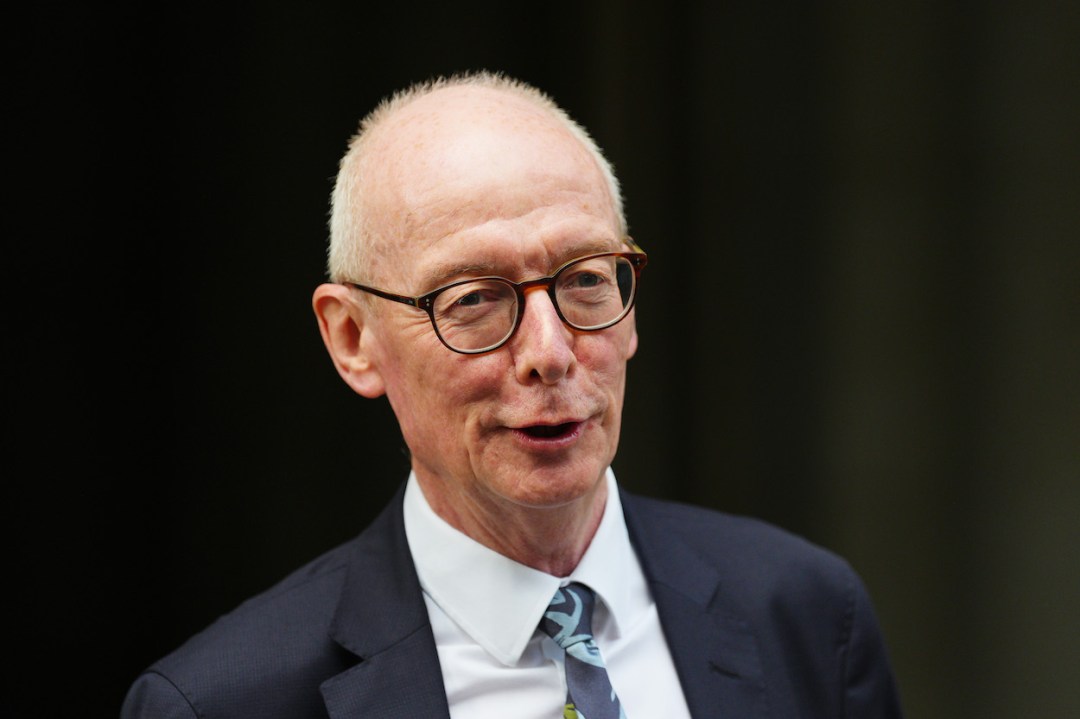
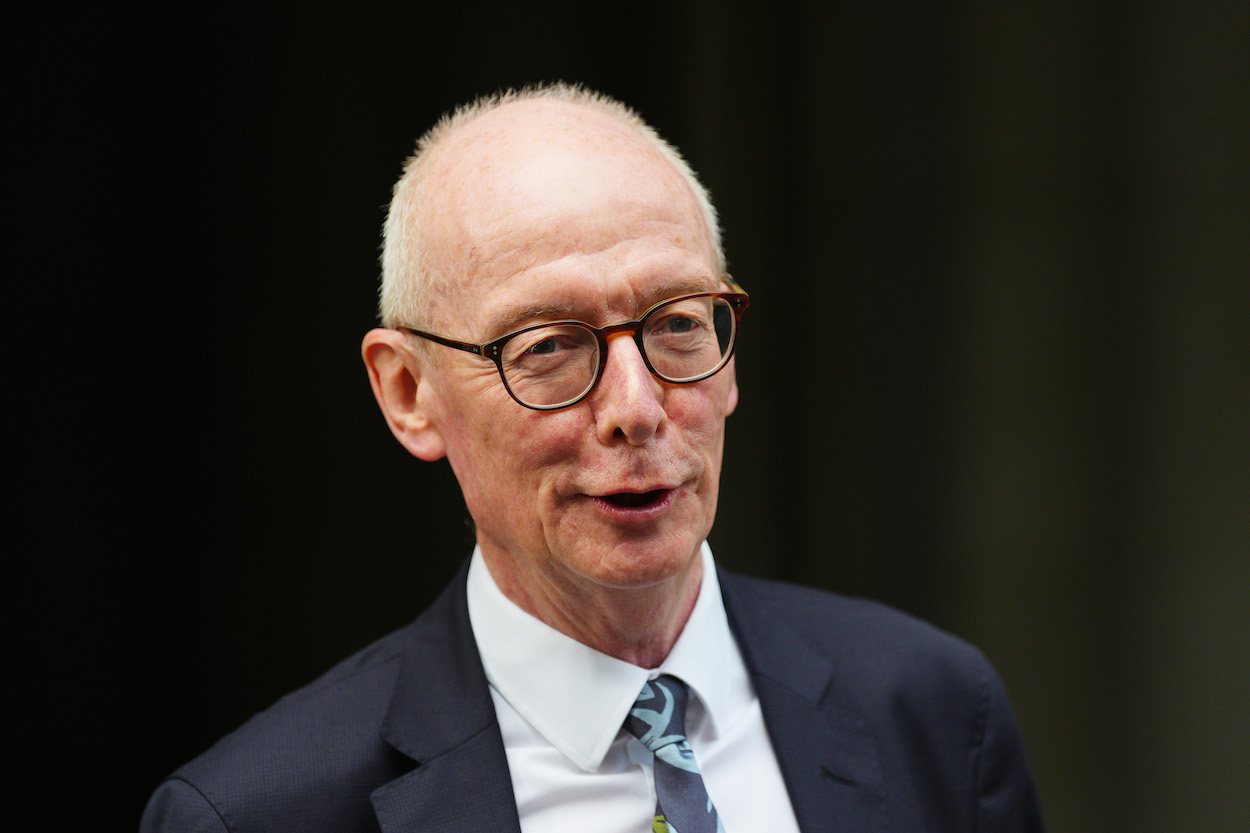
Andy Burnham is not short of advice about cabinet appointments. But here’s a bit more counsel for him. He should keep Pat McFadden as work and pensions secretary.
McFadden is an essential minister. Not just because he has a record of being sensible and level-headed, being able to go on the radio and TV and handle all the bombs and brickbats that are thrown at him. The reason that McFadden should remain in charge of welfare policy is that he has been willing to do the most important thing in current politics: he has told the truth to the Labour party.
‘I don’t believe government fulfils its responsibilities simply by writing a cheque. I think we owe people more than that,’ McFadden has said this week about welfare policy.
That correct and convincing public quotation matches what he’s saying in private. In a WhatsApp message to Peter Mandelson, leaked earlier this year, McFadden lamented the tendency of his parliamentary colleagues to always ask who could be taxed in order to fund more payments in welfare.
McFadden is a veteran Blairite who served in the No. 10 operation between 1997 and 2005 and remains close to the master. That background, plus his candour about welfare spending, has not always endeared him to colleagues in the parliamentary Labour party. But that is exactly why Burnham should keep him in his job.
It is both economically and morally imperative for Labour to reform welfare. Economically, because we are paying more and more people not to work, paying them with money we don’t have and therefore borrow, at a time when the economy is running out of workers.
Uniquely among developed economies, our population’s health-related inactivity rates have not recovered since the pandemic. Even left-of-centre think-tanks concede that the welfare system sometimes provides financial incentives to claim non-working benefits.
On current trends, the incapacity caseload will increase from 3.4 million to 4.0 million by 2030. Total spending on health and disability benefits will rise by more than £30 billion.
Reform is morally imperative because paying people to be inactive is bad for them. Inactivity is deeply associated with depression and despair, and lifelong economic scarring. Wherever possible, people should be encouraged and helped to work and avoid inactivity.
This used to be an uncontroversial position in the Labour party. It was once the case that Labour understood in its bones that work was better than no work. That truth has sadly been lost by too many in the Labour party, who have come to see the welfare bill as a measurement of the party’s compassion. It therefore follows that any reduction in that bill is callous and cruel.
‘I didn’t come into politics to cut welfare,’ is a common mantra among many members of the current PLP, especially those first elected in 2024, many of whom believe their job is to act as superpowered local councillors championing their postbag full of complaints about the DWP.
These were the attitudes that capsized Keir Starmer’s attempts at welfare reform in 2025. Starmer’s capitulation to the PLP over welfare was the end of his premiership. After that summer retreat, he could never again attempt to command his own party.
This is central to Burnham’s inheritance and should be high on the risk register of his Downing Street team. There are suggestions from Team Burnham that they are keen to resume the welfare reform conversation. If so, Burnham will badly need Pat McFadden by his side.
Our incoming prime minister is not famous for telling people things they do not want to hear. Even his admirers say he has a tendency to be a people-pleaser. That is no way to persuade the parliamentary Labour party to reform welfare.
Labour insiders say that since taking up the welfare job last year, McFadden has made a decent fist of a bad situation. Inheriting an agenda that had been defeated and gutted by the PLP is not a great start to running a department.
McFadden has further been hamstrung by Starmer’s refusal to include welfare reform legislation in the current parliamentary calendar. That has meant that McFadden’s work on welfare has been more political than policy-based. He has rightly focused on making the argument for welfare reform before proceeding to develop the policy of reform.
Insiders say that McFadden has made a decent fist of a bad situation
His deployment of Alan Milburn’s excellent report on young people who are not in employment, education and training was an important part of the political fightback on welfare reform. McFadden deftly used that report to remind his colleagues that simply parking people of any age on welfare and distancing them from the labour market is not kind, but is in fact harmful.
This challenge to the Labour party’s preference for what might be called ruinous empathy is necessary and therefore to McFadden’s credit.
If Burnham really does want to improve the overall UK economy and the condition of life for people at the lower end of the income distribution, then he will return to the subject of welfare reform. And for that, he will need Pat McFadden as work and pensions secretary.
Alternatively he could be made chancellor of the exchequer. But that is probably too much to hope for.






Comments