Count Binface has never lacked ambition. Nigel Farage’s only challenger in the Clacton by-election has, over the years, promised to cap the price of croissants at £1.10, nationalise Adele and build at least one affordable house. Admirable though these causes may be, however, the self-proclaimed ‘intergalactic space warrior’ has overlooked one national emergency. If he truly wants to leave Britain – or indeed Earth – in a better place than he found it, he should use this campaign to outlaw the royal blue suit from politics.
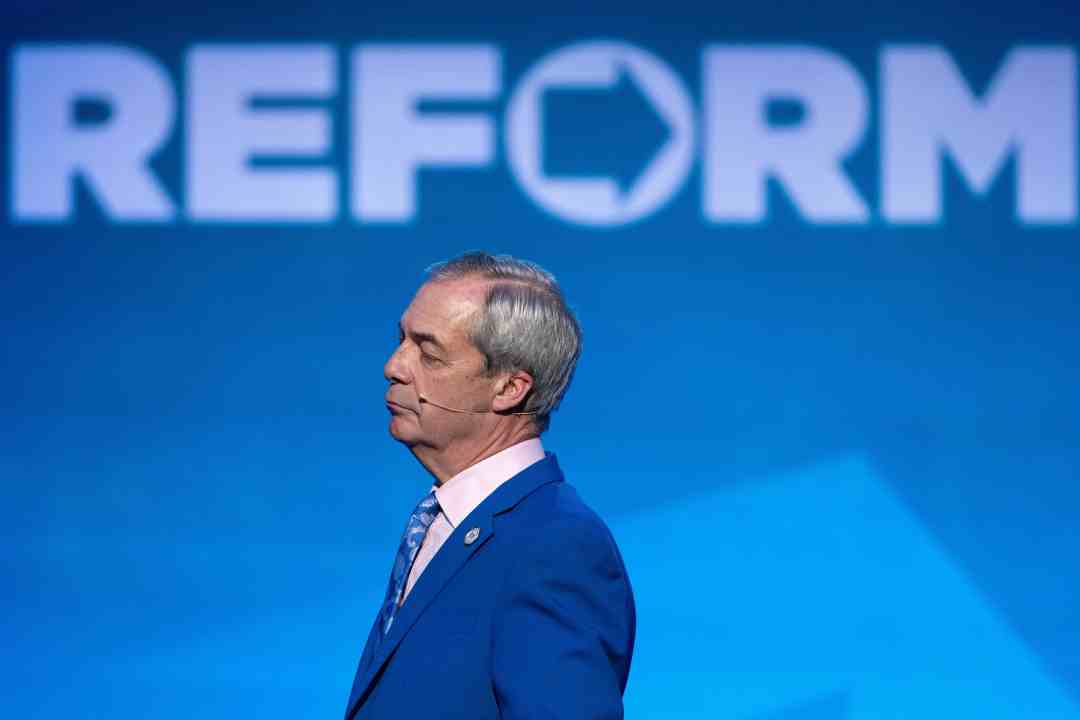
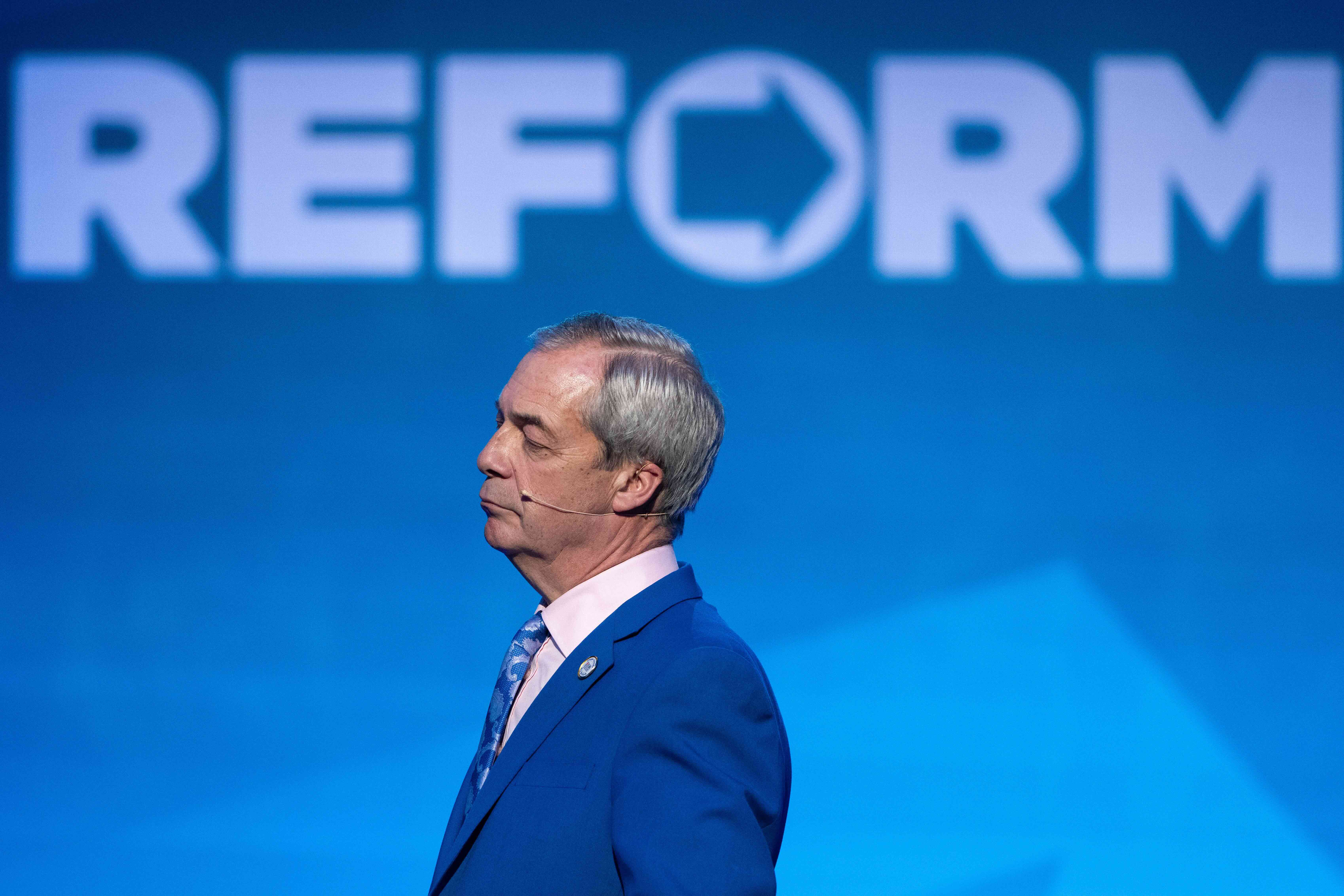
The royal blue suit has spread through Westminster with the invasiveness of Japanese knotweed. Farage has embraced it with particular enthusiasm. So too have many of his colleagues in Reform who, when together, now resemble something akin to an estate agency convention in Essex.
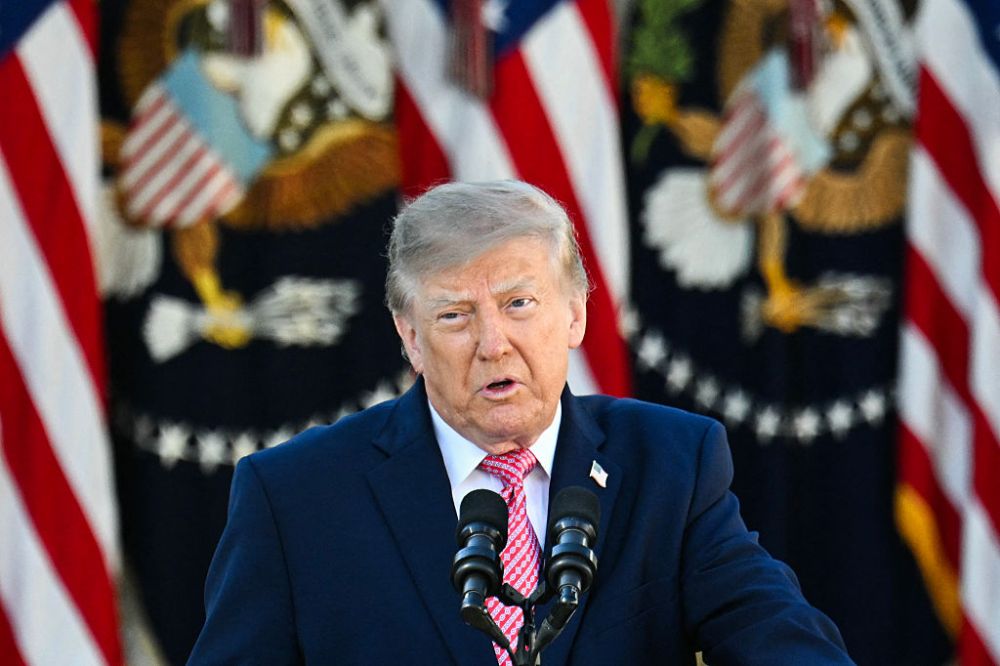
Across the Atlantic during his presidency, Joe Biden often favoured the same look, seemingly in the hope that a paler shade of tailoring might help us overlook his gaffes and knock a decade or two off his age. It did not.
The truth is, the way our leaders dress matters, which the most powerful have always understood. In French high society, Louis XIV oozed authority with his towering wigs, lace cuffs, red heels and immaculate cravats. The revolutionary Napoleon grasped this lesson too, albeit in a different form. Rather than compete with the peacockery of the Bourbon court, he became synonymous with simplicity: the plain grey greatcoat, white breeches and black bicorne. The coat was so unremarkable that it became unforgettable. Everyone reading this can picture it. Being the excellent propagandist he was, Napoleon understood that consistency in what he wore would help make the attire itself iconic.
Of course, we have our own examples too. Winston Churchill’s siren suit, much like Volodymyr Zelensky’s ensemble (which famously caused one US reporter to ask him why he wasn’t wearing a suit in the Oval Office last year), suggested a leader too busy saving civilisation to worry about vanity. Margaret Thatcher’s sharp tailoring and handbags projected discipline – so much so that her ministers would refer to being ‘handbagged’ when told off by her. The list goes on.
Today, Farage’s party has become the standard-bearer for a broader fashion in modern politics. Reform wears the royal blue suit because insurgent parties instinctively seek visual distinction from what he has deemed ‘the Establishment’. If Westminster’s polished elites own navy, then a brighter blue signals disruption. The trouble is that, in trying so hard to look different, Farage and Co. have ended up looking like everyone else trying to look different – and frankly rather cheap in the process.
The way our leaders dress matters, which the most powerful have always understood
Somewhere along the line, politicians stopped trying to look authoritative and started trying to look relatable. Hence Andy Burnham’s now familiar blazer over a T-shirt; the political equivalent of ordering the house red because one doesn’t recognise any of the wines on the list. It is designed to say: ‘I could run the country, but I’d also help you change a tyre.’
The royal blue suit belongs to the same school of political thought. It lacks formality and authority, and yet it is not casual. Instead it occupies a curious middle ground and, as Thatcher once warned, those who stand in the middle of the road get hit by traffic.
No doubt there is endless data espousing the virtues of such attire. However, nothing looks less authentic than someone trying to appear authentic. The royal blue suit has become a visual shorthand for modern politics itself: focus-grouped and nauseating. Such unserious dress from our politicians says, ‘I’m just like you,’ in the same way a supermarket’s self-checkout tells you it values your custom.
Ironically, the modern dark suit was itself once a revolution. In the early 19th century, Beau Brummell rejected the gaudy embroidery, silk and powdered wigs of the Georgian elite in favour of immaculate dark tailoring. The point, however, was not to appear casual. Simplicity itself became a mark of confidence and discipline.
The dark suit knew exactly what it was. It made no claim to youthfulness or spontaneity. It simply suggested seriousness. There is something oddly reassuring about a politician who looks as though he has accepted that governing a country is a solemn business rather than an opportunity to reinvent business casual.
Of course, no election has ever been won or lost on the basis of lapel colour. The country’s problems run somewhat deeper than pastel tailoring. But clothes tell us something about the people who wear them and the image they wish to project. When politicians cease dressing like statesmen and start dressing like someone trying to rent you a flat in Stratford, it is perhaps because they no longer believe authority is something to aspire to.
So Count Binface should think bigger. Croissants are all very well. Adele has her place. But if he truly wishes to secure his legacy, he should pledge to restore dignity to British public life, beginning with the abolition of the royal blue suit.




Comments