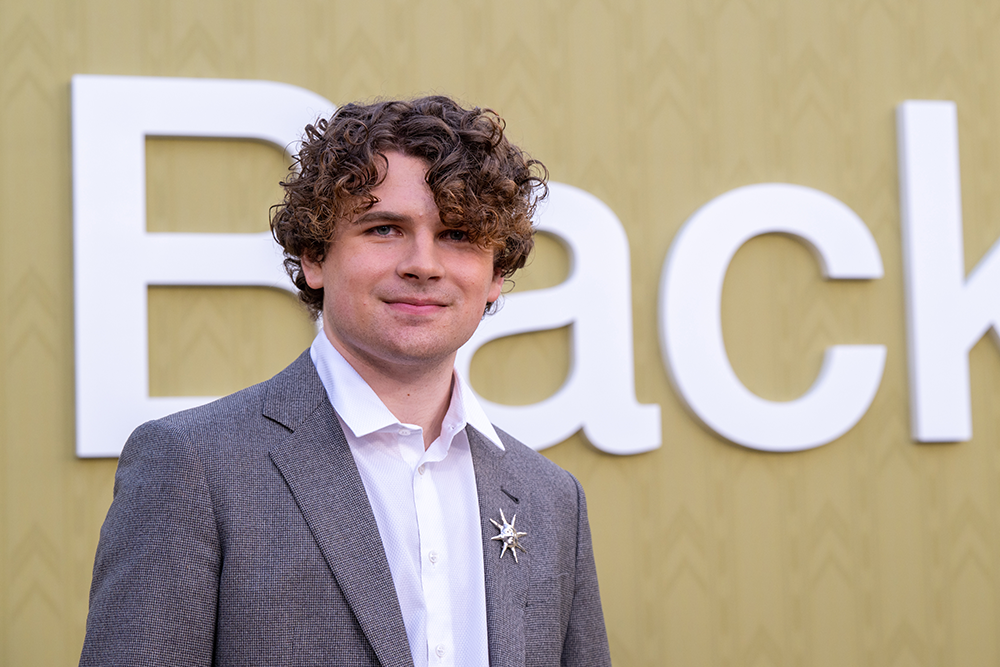


In 2022, a 16-year-old called Kane Parsons began to post a web series called ‘Backrooms’ on his YouTube channel, drawing inspiration from a famous 4chan meme. That year, the film studio A24 contacted him and began production on a full-length feature film of the same name, which was released in May. The film has grossed $350 million worldwide and Kane, who turned 21 last month, is the youngest director ever to have a film open at number one in the North American box office.
Social media, for all its apparent flaws, has created a new meritocracy in the world of entertainment
Parsons’s stunning success has started a race in Hollywood to scout for talent in the online world. In this respect Hollywood is playing catch-up to British comedy, where talent agencies are constantly scanning platforms such as Instagram, TikTok and YouTube to find content creators with the talent to take their acts mainstream. And so social media, for all its apparent flaws, has created a new meritocracy in the world of entertainment, enabling people from ordinary backgrounds to achieve mainstream success at frighteningly young ages.
One such young person is Katie Kennedy, an Oxford master’s student who began making provocative yet informative history videos when she was in her final year of her undergraduate degree. Her videos carry title captions such as ‘Was Anne of Cleves a minger?’ and ‘Was Marie Antoinette a snooty cow?’. In contrast to this bombast, Katie was a shy, bookish child who was obsessed with the Horrible Histories TV show, whose songs she has committed to memory (‘Charles II: King of Bling’ is her favourite).
When Katie first began making her videos for social media, she was so embarrassed that she searched for every single person she knew from school or university on TikTok and blocked them one by one.
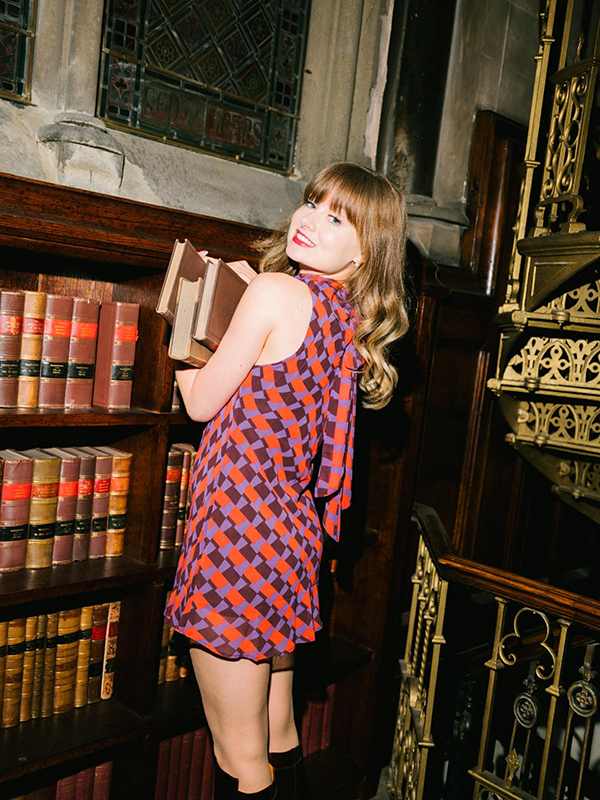
Katie now has more than 600,000 followers on TikTok and some of her videos have over ten million views. She has a show on Sky, History Crush, and her own book.
What is most remarkable about her success is that it was all built within three short years. Katie is emphatic that without social media she would not have begun a career in comedy, particularly as somebody from the north-east without family connections in media.
It has been suggested by government ministers that one of the valuable things that traditional broadcasters bring to the media landscape is that they can spread opportunity outside London and the south-east. But one of the advantages of online content creation is that it can be done from anywhere in the world.

Leah White, another comedian with 232,000 followers on TikTok, tells me that her online success has allowed her to remain living in Toronto full-time near friends and family while building up her profile as an actress. Instead of having to move to Los Angeles to work through the audition route, she has been able to take roles in high-budget films through her online portfolio. She has recently returned from shoots in Panama and London for Gary Sinyor’s upcoming romantic comedy Perfect Wedding Days.
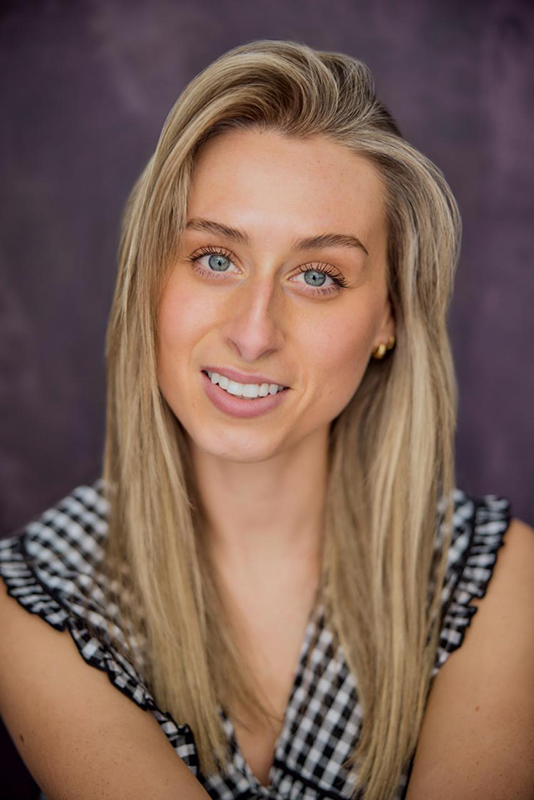
Monica Geldart, a content creator and actor who has 1.8 million followers on TikTok, watched Catherine Tate and Victoria Wood as a child. Her characters are clearly rooted in where she grew up near Harrogate; many of them are nosy and vindictive in the way that residents of somewhat affluent suburbs often are. She tells me that she tried to move to London in 2022 but ‘only lasted six months before I was back in Yorkshire’, and that she feels ‘very lucky to be able to stay in Yorkshire and keep chasing my dreams’.
Finlay Christie is another TikTok comedian who has enjoyed a swift ascent. He is known best for his ‘What Peep Show would be like if it was set in 2025’ series. Christie has more than 600,000 subscribers on YouTube, where he has amassed over 360 million views. Christie has managed to transfer his online work directly into stand-up comedy tours, the latest of which will cover 35 dates across Britain and Ireland.
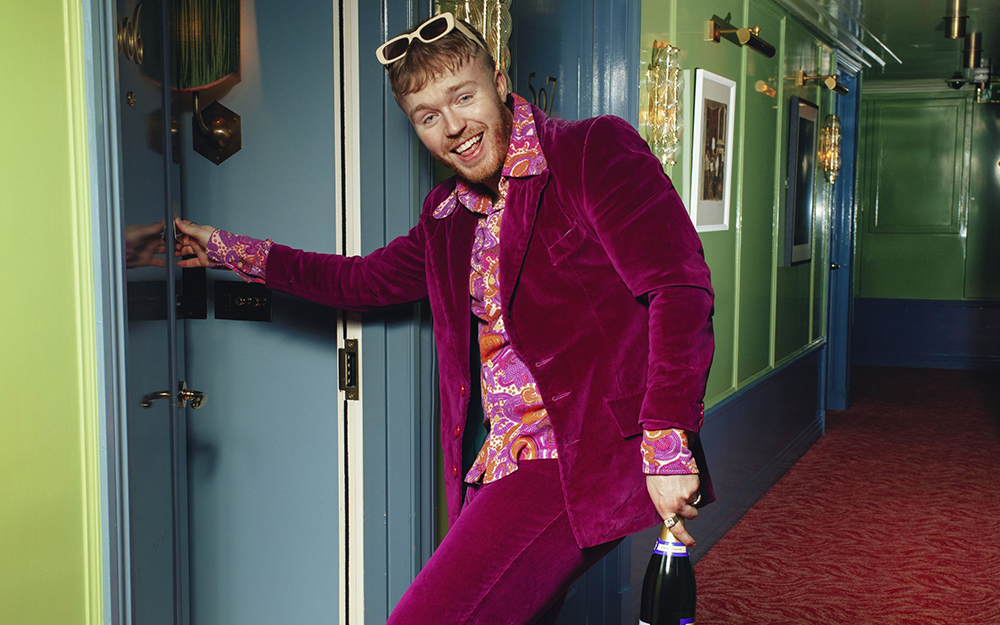
Christie began to make videos at the beginning of lockdown at the age of 20. His popularity grew so quickly that by the time lockdown began to lift he already had a big enough audience to start doing live shows. Christie feels strongly that he never wants to go entirely over to television because the creative compromises would be too stifling. He compares the future of comedy with video pornography, saying that while there will always be a place for studio productions for a mainstream audience, services like OnlyFans provide a way for creators to directly monetise their core fanbase.
One industry source, Ivo Pope, tells me that algorithm-led targeting has led ‘broader formats like panel shows’ to lose relevance and viewership. All four of the comedians I spoke to have a very narrow demographic target, with their content usually performing best among the 25-to-30 age range. Their jokes do not have to cross generations or cultural divides. In one of Christie’s videos, he makes a reference to the subreddit UK Personal Finance, a small online community mostly populated by people in their late twenties and early thirties who are anxious about getting their first mortgage – a category which includes me, and so I laugh along, strangely flattered to feel recognised.
Heather Winstanley, a senior talent manager at Insanity Talent Management, tells me that trying to pursue a career in comedy without a social media presence would be ‘making life brutally hard for yourself’. She remembers a time when being ‘digital first’ was looked down upon by TV executives as if it were a lesser category, but now online creators have audiences ‘that some comedians could only dream of in venues’.
The trend in TV commissioning since the early 2010s has been to move away from expensive, risky sketch shows towards cheap panel shows. This has been born of necessity: the cost of producing broadcast television has risen immensely. Between 2014 and 2020, the average budget per hour for high-end TV rose from more than £1.5 million to just shy of £4 million. This, combined with falling advertising revenues as broadcast audiences shrink, means the margins for error are much smaller, creating a structural bias towards playing it safe with bankable stars. In a sense, online comedians, who produce sketches, stand-up and character comedy on low to no budgets, were filling a gap which mainstream broadcasters had opened up.
One broadcaster which seeks to buck this trend is Sky, which has launched SNL UK, an offshoot of the very popular US sketch comedy show Saturday Night Live. The comedians and agents I speak to about it are positive about the venture, glad that a large network is willing to invest serious money and take a risk on British comedy, particularly as they have not drawn talent from what Winstanley calls the ‘exhausted carousel of panel-show regulars’ but have instead cast non-mainstream talent, some of them – Jack Shep and Al Nash – having backgrounds making online content.
The relationship between online comedy creators and the extant comedy industry is not yet settled. If history is any guide, there is likely to be some sort of rapprochement in which incumbent networks adapt and regain some measure of control.
The internet had a transformational impact on music. Piracy websites like Napster threatened to destroy traditional distribution networks dominated by Sony, Universal and Warner, while platforms like MySpace promised to allow musicians to bypass industry gatekeepers entirely. Two decades later, although the internet has transformed how music is made and discovered, the major labels remain powerful. Most people now pay to listen through streaming services, and those platforms have created a new ecosystem which established industry players have learned to master.
No musician better sums up this illusion of disintermediation than Clairo, who became a viral success after presenting herself as a ‘bedroom pop’ artist, posting lo-fi videos of herself singing from home on YouTube. It later emerged, however, that she was the daughter of a prominent music executive.
Online comedy seems to be following the same trajectory. The next great comic talents may well be discovered through TikTok instead of Footlights or the Edinburgh Fringe, but the careers built from those platforms increasingly lead back towards agents, broadcasters and studios. They are, in a sense, happy victims of their own success.






Comments