Revealed: Jonathan Powell’s wife has defended Hamas









All the latest analysis of the day's news


An intelligent mix of culture, food, style and property, plus where to go and what to see.

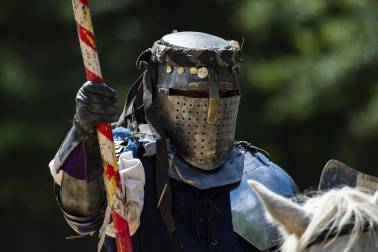
London Fields, East London. Saturday the 17th of October. A slight north-northeastern wind is blowing. The sky is overcast, with a drizzle earlier in the day making the ground slightly softer than usual, but still firm enough to get a good grip. Perfect weather for the joust to make a return, after six hundred painstakingly long years. At long last, the beautiful game is back. Here we are in heaven. Like many things in the last six centuries, the mechanics of the joust have changed. Where men used to ride on warmblooded chargers and destriers, the Fourth Industrial Revolution has had its way and transformed their steeds into equally noble Lime Bikes – the iconic green rental bicycle that plagues London’s pavements and gives transit to its most downwardly mobile residents.

This week's magazine
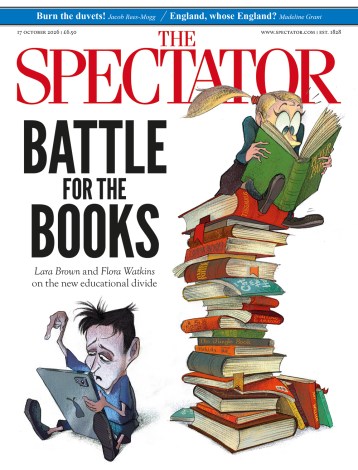
The new educational divide
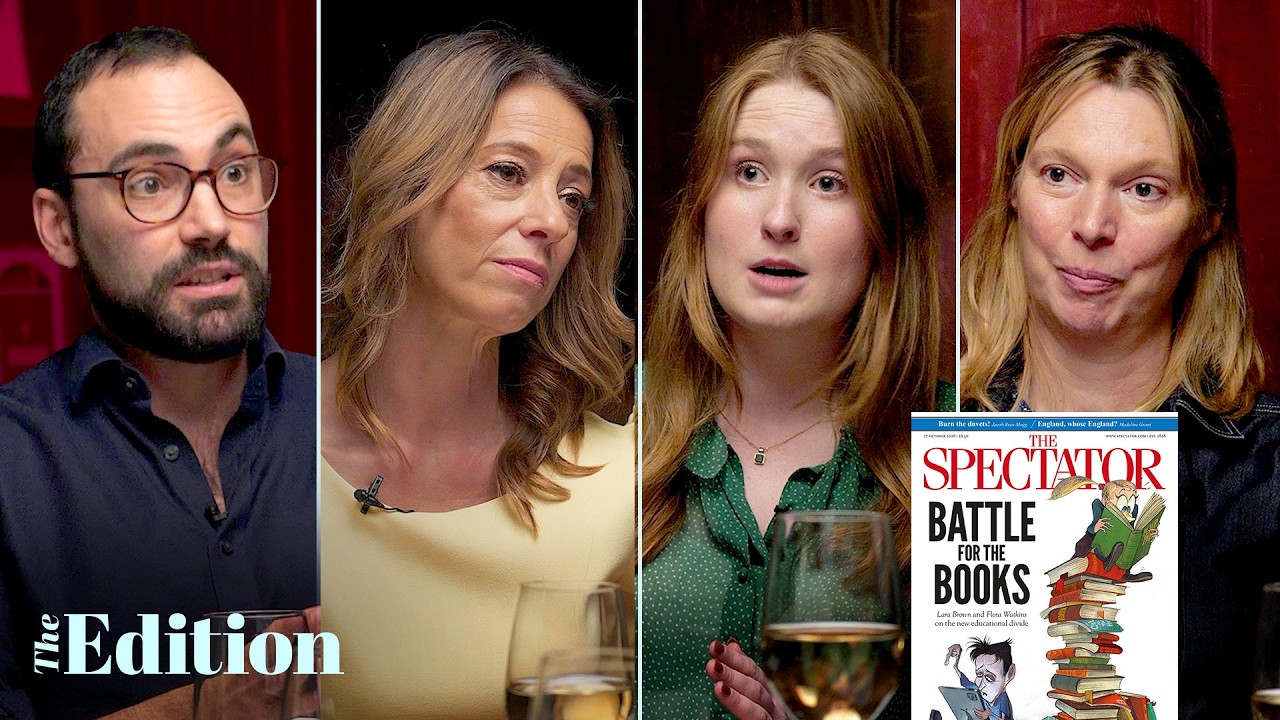
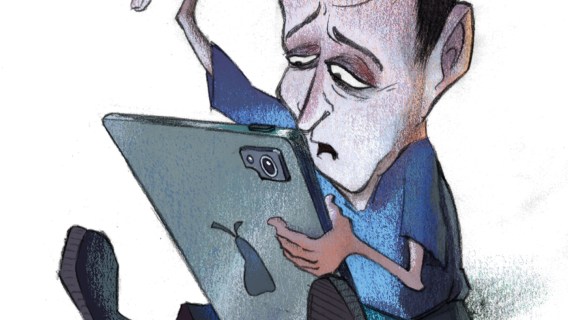
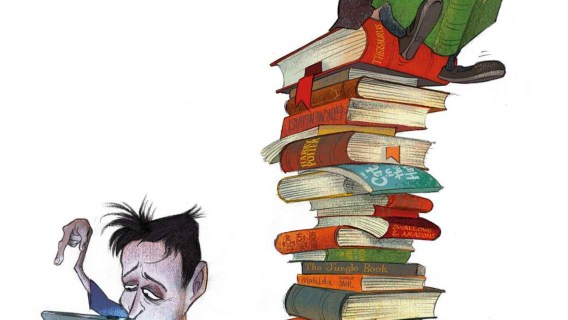
In the late 17th century, Europe’s greatest intellectuals were consumed by the quarrel of the ancients and the modern, satirised by Jonathan Swift in The Battle of the Books. In the 18th century, Jean-Jacques Rousseau asked whether education should nurture children’s natural capacities or mould them to society’s expectations. The great educational dispute of the 21st century is rather less august: should children be reading books or collecting coins for cartoon robots? In the past decade, a new divide has opened in Britain’s classrooms. Not between rich and poor, clever and dull, or private and state schools, but between children still taught by teachers using whiteboards, pens and paper and those being instructed by an avatar on a screen. https://www.youtube.com/watch?
In the late 17th century, Europe’s greatest intellectuals were consumed by the quarrel of the ancients and the modern, satirised by Jonathan Swift in The Battle of the Books. In the 18th century, Jean-Jacques Rousseau asked whether education should nurture children’s natural capacities or mould them to society’s expectations. The great educational dispute of the 21st century is rather less august: should children be reading books or collecting coins for cartoon robots? In the past decade, a new divide has opened in Britain’s classrooms. Not between rich and poor, clever and dull, or private and state schools, but between children still taught by teachers using whiteboards, pens and paper and those being instructed by an avatar on a screen. https://www.youtube.com/watch?
The good, the bad and the ugly in books, exhibitions, cinema, TV, dance, music, podcasts and theatre.
Rent is a show about mortality haunted by the untimely death of its author, Jonathan Larson. On the eve of the first preview in 1996, he underwent heart surgery but he didn’t survive to see his creation become one of the most enduring hits in musical-theatre history. The producers of Luke Sheppard’s version don’t need reviewers to offer their verdict because the show has a worldwide band of disciples who maintain its bankability. On press night, the loyalists clearly adored what they’d seen. The script takes the plot of Puccini’s La bohème and transfers it to New York’s East Village in the 1990s where a salon of artistes are facing eviction.



Cartoon
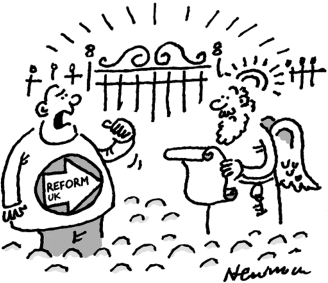
Cartoon
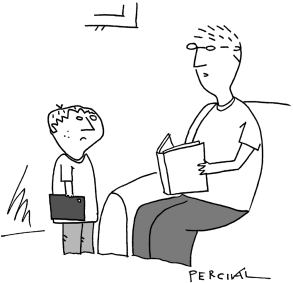
Cartoon