Noa Hoffman

Noa Hoffman

Noa Hoffman is The Spectator's new political correspondent.

‘Get on board or get out’: Joy Morrissey on Kemi Badenoch’s new Tories

From our UK edition

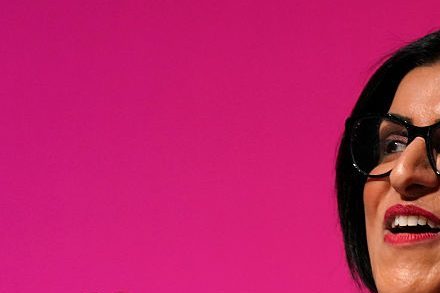
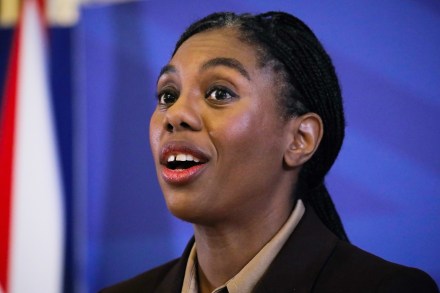
‘Get on board or get out.’ That, says Joy Morrissey, captures Kemi Badenoch’s attitude to the Conservative party: a categorical rejection of ‘wet Toryism’ and the accommodation of polite liberal opinion. Born and raised in the American Midwest, Morrissey is one of the rising stars of the right. Recently elevated to the Tory frontbench, her political style mirrors her leader: sassy, brash, straight-talking. Handed the equalities brief by Badenoch, the glamorous 45-year-old MP for Beaconsfield is relishing the chance to take the fight to Bridget Phillipson. Morrissey is wary of the rise of ethno-nationalism both at home and abroad For years, the Tories have attacked Labour for its confused position on transgender issues.

‘We need to get real’ – Claire Ainsley on Starmer, Burnham and Labour’s future

From our UK edition

36 min listen

Labour has a new leader, but does Andy Burnham have a plan to give voters back control?   In this episode of Coffee House Shots, Noa Hoffman speaks to Claire Ainsley, Keir Starmer’s former director of policy, about her new book, Control: How We Lost It and How to Take It Back.   They discuss whether Burnham’s government is doing enough to address immigration and welfare, why Ainsley is sceptical about reopening the Brexit debate, and how Britain can get ahead of the AI revolution.   Plus: Ainsley reflects on Starmer’s downfall, the challenges facing the new Prime Minister and whether Labour can keep Reform at bay.   Produced by Abigail Brierley.

Reform’s fightback has begun

From our UK edition

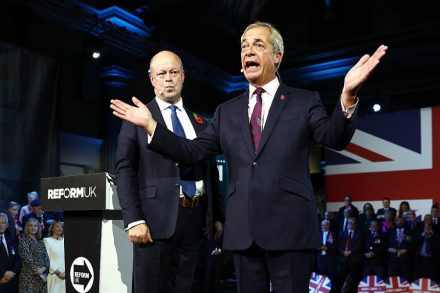
Nigel Farage set out this afternoon to show that Reform is still up for the fight – and has learnt lessons from Donald Trump’s disastrous loss of Republican support. At a press conference in London Bridge, the Reform leader introduced the latest recruit to his top table: Angus MacIntyre, a former senior RAF Regiment officer with a 40-year military career. MacIntyre appears to be a serious addition to the party, and a sign that, despite plateauing in the polls, Reform has not given up on winning power. The new ‘shadow armed forces minister’ pledged to a packed hall that he would end the prosecution of British veterans during Reform’s first 100 days in office. The turnout was in marked contrast with the party’s previous press conference, which struggled to fill seats.

Goodbye to hardline immigration reforms

From our UK edition

Shabana Mahmood has unveiled her long-awaited reforms to immigration rules, including on indefinite leave to remain, and with them the partial climbdown briefed over the past few days. Noa Hoffman is joined by Tim Shipman and James Heale to examine what has and has not changed in the new plans.

Noa Hoffman, John Power, Martin Vander Weyer & Olivia Potts

From our UK edition

29 min listen

On this week’s Spectator Out Loud: Noa Hoffman’s Tel Aviv dispatch explains the state of the Israeli elections; John Power looks at Miatta Fahnbulleh’s remarkable family history; Martin Vander Weyer wonders what the pedestrianisation of Oxford Street will mean for London; and Olivia Potts looks at beignets in New Orleans.   Produced and presented by Abigail Brierley.

Noa Hoffman, John Power, Martin Vander Weyer & Olivia Potts

Can Netanyahu cling on? Inside Israel’s election deadlock

From our UK edition

20 min listen

In this Saturday edition of Coffee House Shots, James Heale is joined by Noa Hoffman, who has been reporting on the election from Israel, and former Foreign Office special adviser Ben Judah to unpack the results.   They discuss the historic turnout among Arab Israeli voters, the growing influence of ultra-Orthodox parties and why, despite the failures of October 7, Netanyahu continues to command support.   Plus: could an unlikely alliance between Jewish and Arab parties reshape Israeli politics?

Can Netanyahu pull off one more great act of survival?

From our UK edition

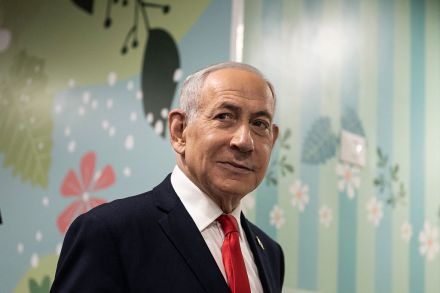
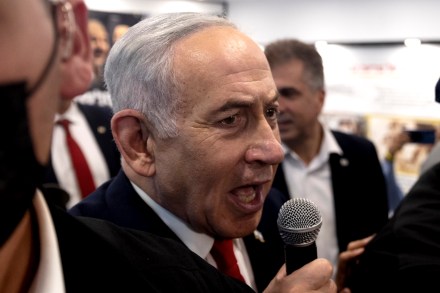
Tel Aviv The Tel Aviv neighbourhood of Hatikva is everything Israel’s critics across Europe fail to understand. This run-down suburb is home to many working-class Mizrahim: Jews who, save for their skullcaps, would not look out of place in a London mosque. They, or their parents, came to Israel from across the Islamic world: Iraq, Iran, Tunisia, Algeria and Yemen. Finally safe in the Jewish homeland, many have become some of Benjamin Netanyahu’s most ardent supporters. These deeply religious taxi drivers, cleaners, administrators and shopkeepers still feel the trauma of life under the iron fist of Islamism. Boycotts and finger-wagging from London or Paris will not sway them.

To Bibi or not to Bibi?

Israel Tel Aviv’s promenade on a Saturday night is heavenly. To one side, the Mediterranean glistens, dotted with boogie boards and children squealing as they splash into the surf. In the other direction, families, couples and friends picnic on lush green grass to the sound of lapping waves and two acoustic guitarists making their way through ‘Hotel California’. It is the Israeli idyll, ripe for a postcard – and a brief respite from the deep divisions that make Tuesday’s election such a consequential choice for the country. Arriving at Ben Gurion Airport last Thursday, I was struck by a country that is at once admirably resilient and deeply traumatised.

The Tories are back in the conversation

From our UK edition

12 min listen

Kemi Badenoch has delivered a major speech on the economy ahead of next week's Budget, calling for welfare cuts to fund higher defence spending. But with some encouraging economic figures, is her attack on Labour landing? Meanwhile, new polling suggests the Conservatives are reclaiming their position as the main opposition to Labour. Badenoch says she wants Reform voters back – but not its MPs. Are the Tories back in the conversation? And could Labour's divisions over immigration offer the Tories another opening? Oscar Edmondson speaks to Michael Simmons and Noa Hoffman. Produced by Oscar Edmondson.

Revealed: the ‘Palestine poppy’ creator who justified stoning

From our UK edition

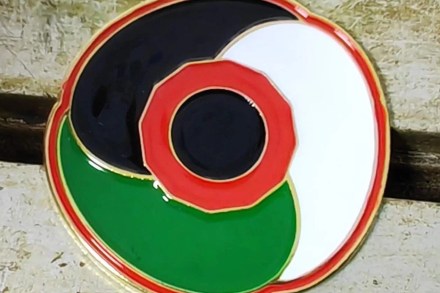
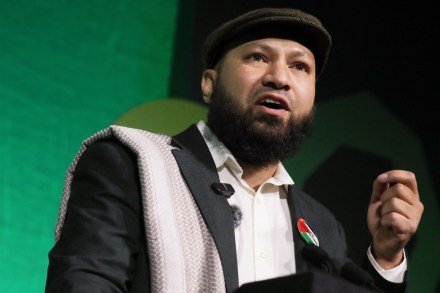
The creator of the ‘Palestine poppy’ is an Oxford-educated paediatrician who has written books for Muslim teenagers justifying stoning and warning that homosexuality is ‘a test from Allah’. Abdul Qader Ismail was accused of trying to ‘hijack’ Remembrance Day after he began selling an enamel pin shaped like a poppy in the colours of the Palestinian flag for £1.78 on eBay. The pin is listed as ‘not for profit’ with money being donated to Gaza charities. The Spectator can now reveal that Ismail is an active member of Greens for Palestine and co-sponsored the group’s ‘Zionism is Racism’ policy. He is also the author of a book series titled An Introduction to Challenging Topics for Muslim Teens.

Will John Healey tax the banks?

From our UK edition

14 min listen

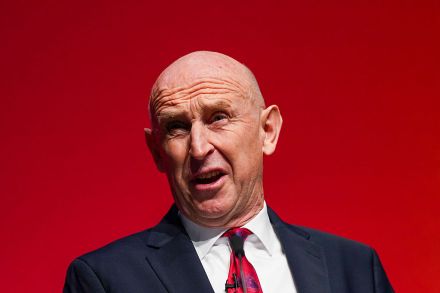
With the Budget fast approaching, is Labour about to pick a fight with the City? Could a new bank tax help John Healey plug the fiscal black hole – or would it risk damaging one of Britain’s most successful industries? Meanwhile, the SNP party conference in underway in Aberdeen, and John Swinney is once again talking about Scottish independence. But could Andy Burnham pose a threat to the SNP's hold on Scotland?Plus, Reform is facing fresh questions over misogyny after another round of undercover recordings. Can Nigel Farage get his party back on the front foot?Produced by Abigail Brierley. audio_URL:https://assets.pippa.io/shows/68359028e1abc4be6b032cd1/1792148130892-86c201c3-8664-4198-b65d-19e2e328419f.

Labour finally turns on the Greens

From our UK edition

Labour finally found some gumption today as it ramped up its attacks on the Greens’ anti-Semitic ‘Zionism is Racism’ policy. In a somewhat surprising move, party chair Bridget Phillipson announced that the 18 Labour council groups in power-sharing arrangements with Zack Polanski’s party will seek a ‘clear and unambiguous statement’ from their Green counterparts rejecting the motion. Councillors will have seven days to disavow it or face the termination of their cooperation agreements. They have also been instructed to write to Polanski urging him to reverse the decision. The ultimatum has been warmly welcomed by Labour moderates, who are desperate to avoid pandering to the very people Sir Keir Starmer expended considerable internal political capital purging from the party.

Does Burnham have a foreign policy?

From our UK edition

As Andy Burnham rolls out the red carpet for Volodymyr Zelensky in Downing Street, he has publicly sided with Kyiv against the Trump administration, days after the US President called for Zelensky to be replaced. Noa Hoffman is joined by James Heale and Tim Shipman to weigh up the politics, and to ask whether Ed Miliband’s desire to be seen as a saviour over Israel-Palestine has backfired, with friends of Jonathan Powell, the National Security Adviser, now saying he is likely to quit.

Where are all the ‘Waitrose women’?

From our UK edition

13 min listen

The IMF has upgraded its forecast for UK growth – but is the good news all it seems? Michael Simmons explains why the assumptions underpinning Britain’s economic outlook may be far shakier than they first appear, as the government prepares for another difficult Budget. Meanwhile, a new YouGov poll puts the Conservatives ahead of Reform. Is Kemi Badenoch finally beginning to turn the tide – and has the Tory strategy of targeting the ‘Waitrose woman’ started to pay off? Oscar Edmondson speaks to Michael Simmons and Noa Hoffman. Produced by Oscar Edmondson.

Nigel Farage is shrewd to keep the focus on illegal migration

From our UK edition

Reform today pledged the ‘biggest mass deportation programme’ in UK history, as Nigel Farage thrust the issue of illegal migration back onto the Westminster agenda. Over the long conference recess, Andy Burnham has made an immense effort to steer public discourse away from the dinghy crisis, opting instead to make bogus claims about Russian interference in Brexit and focus on forging closer ties with Europe. At a press conference in Dover today, Farage sought to put an end to Labour’s distraction tactics – and he was shrewd to do so. Burnham and his advisers appear to believe that by avoiding the subject of illegal migration, the crisis will simply be forgotten.

Trump official: ‘anti-Semitic’ European countries risk US sanctions for boycotting Israeli settlements

From our UK edition

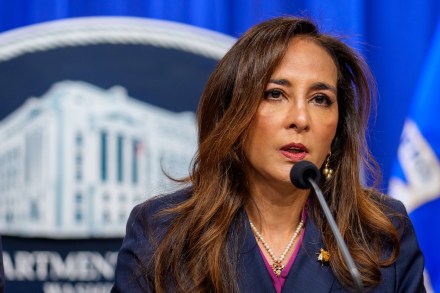
European countries that impose boycotts on Israel are ‘anti-Semitic’ and risk retaliatory sanctions from the United States, a senior Trump administration official has declared. Speaking in Washington DC, Assistant Attorney General Harmeet Dhillon criticised countries including the UK, France and Norway over measures targeting goods produced in Israeli settlements in the West Bank. https://twitter.com/hoffman_noa/status/2107571787366113556 Dhillon, who leads the Civil Rights division at the Department of Justice, said: ‘What we call this in the United States is the BDS movement. It is anti-Semitism. And I think every country that is doing that is going to risk, while President Trump is in power, retaliatory or corresponding sanctions potentially.

Exclusive: Labour MPs report the Green party to the police

From our UK edition

More than a dozen Labour MPs have reported the Green party to Sussex police and the EHRC over its ‘Zionism is racism’ policy, The Spectator can reveal. Zack Polanski’s party was plunged deeper into crisis this afternoon after politicians, led by former Home Office minister Mike Tapp and Labour Friends of Israel chair, Mark Sewards, urged police in Brighton to examine whether events at the Green conference may have crossed into criminally actionable racial or religious hatred against Jewish people. The MPs point to delegates chanting ‘say it loud, say it clear, Zionists are not welcome here’ as a potential legal flashpoint, questioning whether the term ‘Zionist’ was being used as a proxy for Jewish people.

Exclusive: US will make ‘representations’ about Greens’ zionism policy

From our UK edition

The US Special Envoy to Monitor and Combat Antisemitism will make ‘representations’ to the UK government following the Green party’s ‘zionism is racism’ policy, The Spectator can reveal. Speaking in Washington DC, Ambassador Rabbi Yehuda Kaploun rebuked the ‘hypocritical’ far-left party for targeting the concept of Jewish self-determination while remaining silent on pressing human rights abuses elsewhere in the world. Asked by The Spectator for his response to the Green policy, Kaploun said: ‘We will be making some representations on the issue. A lot of countries are being hypocritical in the sense of they will only focus on Israel. They will not focus on other countries.

Can the Greens survive Burnham?

From our UK edition

16 min listen

James Heale reports from Green Party conference in Brighton, joined by More in Common’s Luke Tryl and Noa Hoffman. After a year in which the Greens appeared to be challenging Labour on the left, has their momentum begun to stall – and how much of that is down to Zac Polanski himself, compared to Andy Burnham winning progressive voters back to Labour? They discuss the tensions within the Greens’ increasingly broad coalition plus look ahead to next week's Holborn and St Pancras by-election. Will Polanski survive losing in London? Produced by Patrick Gibbons.

Can the Greens survive Burnham?

Inside the Green party’s Orwellian language guide

From our UK edition

The Green party has produced an Orwellian glossary of ‘unacceptable’ language ahead of its conference this weekend. Its new ‘Inclusive Terminology Guidance’ instructs members to stop using words and phrases including ‘elderly’, ‘female politician’ and ‘mothers and fathers’. Also discouraged are ‘able-bodied’, ‘sex-change’, ‘homosexual’, ‘lady doctor’, ‘youngster’ and ‘sexual preference’. The guidance recommends replacing ‘gendered job titles’ with ‘gender-neutral terms wherever possible’. Members should say ‘chair’ instead of ‘chairman’, ‘police officer’ instead of ‘policeman’ and ‘parents and carers’ rather than mothers and fathers.