The glorious spectacle of Timothy Miller wearing a burka




All the latest analysis of the day's news



An intelligent mix of culture, food, style and property, plus where to go and what to see.




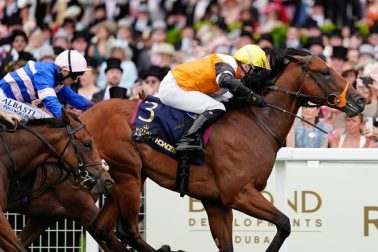
Qatar-sponsored British Champions Day at Ascot tomorrow offers a feast of top-class racing on its seven-race card. Significantly, too, it looks certain, even with some morning rain today, to be staged on untypically quick ground which means horses that excel on soft or heavy ground are going to be inconvenienced. For years, this has been the one major flat meeting of the year where cut in the ground was almost guaranteed but, after our dry summer and autumn, not tomorrow. This is also a meeting at which there have been plenty of shock results, never more so than a year ago when Powerful Glory won the Group 1 Qipco British Champions Sprint Stakes at 200-1 and Cicero’s Gift won the Group 1 Queen Elizabeth II Stakes at 100-1.
This week's magazine
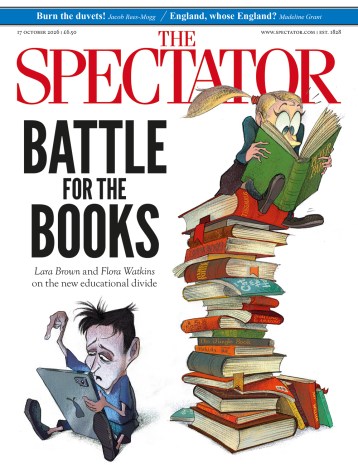
The new educational divide
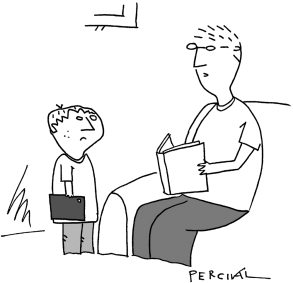
In the late 17th century, Europe’s greatest intellectuals were consumed by the quarrel of the ancients and the modern, satirised by Jonathan Swift in The Battle of the Books. In the 18th century, Jean-Jacques Rousseau asked whether education should nurture children’s natural capacities or mould them to society’s expectations. The great educational dispute of the 21st century is rather less august: should children be reading books or collecting coins for cartoon robots? In the past decade, a new divide has opened in Britain’s classrooms. Not between rich and poor, clever and dull, or private and state schools, but between children still taught by teachers using whiteboards, pens and paper and those being instructed by an avatar on a screen.
In the late 17th century, Europe’s greatest intellectuals were consumed by the quarrel of the ancients and the modern, satirised by Jonathan Swift in The Battle of the Books. In the 18th century, Jean-Jacques Rousseau asked whether education should nurture children’s natural capacities or mould them to society’s expectations. The great educational dispute of the 21st century is rather less august: should children be reading books or collecting coins for cartoon robots? In the past decade, a new divide has opened in Britain’s classrooms. Not between rich and poor, clever and dull, or private and state schools, but between children still taught by teachers using whiteboards, pens and paper and those being instructed by an avatar on a screen.
The good, the bad and the ugly in books, exhibitions, cinema, TV, dance, music, podcasts and theatre.
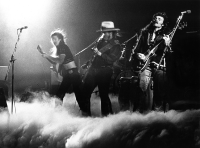
Rent is a show about mortality haunted by the untimely death of its author, Jonathan Larson. On the eve of the first preview in 1996, he underwent heart surgery but he didn’t survive to see his creation become one of the most enduring hits in musical-theatre history. The producers of Luke Sheppard’s version don’t need reviewers to offer their verdict because the show has a worldwide band of disciples who maintain its bankability. On press night, the loyalists clearly adored what they’d seen. The script takes the plot of Puccini’s La bohème and transfers it to New York’s East Village in the 1990s where a salon of artistes are facing eviction.



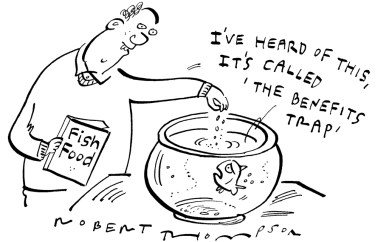
Cartoon
Cartoon
Cartoon