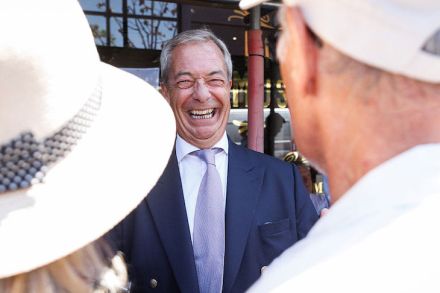
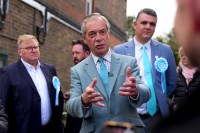
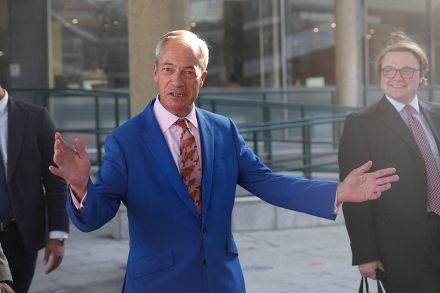
Nigel Farage isn’t the one behaving badly in Clacton





All the latest analysis of the day's news





An intelligent mix of culture, food, style and property, plus where to go and what to see.


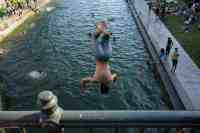
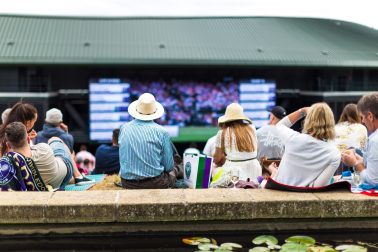
Two hours and 17 minutes after arriving at Wimbledon, I realise I hate tennis. Hate it? I loathe it. All ‘40-love’ jargon and thwack thwack of a ball. It’s football without the pack mentality. Badminton with better PR. ‘Why are you even here then?’ asks an Argentinian tennis agent when I say this by the players’ lounge. ‘This is the oldest tournament in the world! It’s the best!’ He’s right. He’s an international expert so of course he’s right. Even if all his singles players were knocked out by day three. But, of course, that’s exactly why I’m here.
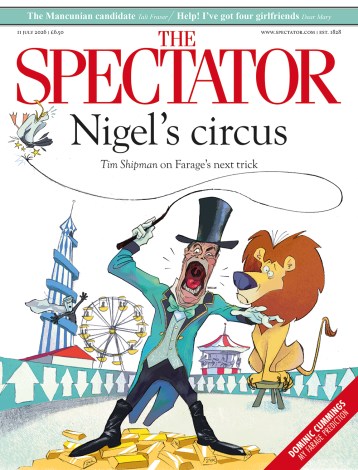
This week's magazine
Farage’s next trick
When Reform high command gathered in the boardroom of their Millbank headquarters last Tuesday, the meeting was supposed to be to select candidates in their 120 most winnable seats and choose dozens of campaign managers. It went on for six hours, as party chiefs instead addressed a growing sense of unease that the great momentum of 2025 has been lost. A source familiar with the discussions reveals that Chris Bruni-Lowe, Nigel Farage’s pollster and message man, has been concerned for months that Reform needs to do something big to ‘take back control’. ‘Chris challenged people, saying things aren’t working the way they need to,’ the source says.
When Reform high command gathered in the boardroom of their Millbank headquarters last Tuesday, the meeting was supposed to be to select candidates in their 120 most winnable seats and choose dozens of campaign managers. It went on for six hours, as party chiefs instead addressed a growing sense of unease that the great momentum of 2025 has been lost. A source familiar with the discussions reveals that Chris Bruni-Lowe, Nigel Farage’s pollster and message man, has been concerned for months that Reform needs to do something big to ‘take back control’. ‘Chris challenged people, saying things aren’t working the way they need to,’ the source says.
The good, the bad and the ugly in books, exhibitions, cinema, TV, dance, music, podcasts and theatre.
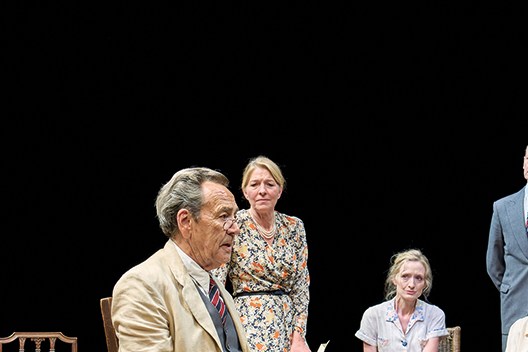
Springwood, set in June 1939, looks at a series of tricky meetings between the American president FDR and George VI at the Roosevelts’ family retreat in upstate New York. George and Queen Elizabeth are guests at the poky old house and although they complain to each other about their sleeping quarters they hide their dismay from their hosts. The writer-director, Richard Nelson, evidently despises the main characters apart from FDR (Robert Lindsay) who comes across as a genial old buffer addicted to whisky. The dialogue is divided into easy-to-handle segments. First, we get the history bit. FDR tells George that the US ought to join Britain in the coming war but pro-German sentiment is very strong and the majority of Americans may support Hitler. Then we get the therapy bit.



Cartoon
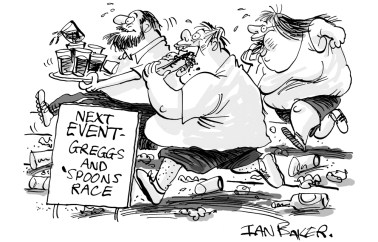
Cartoon
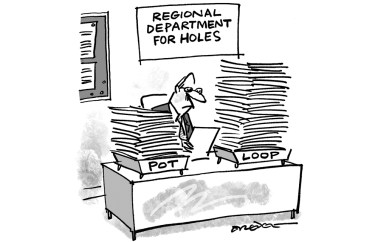
Cartoon