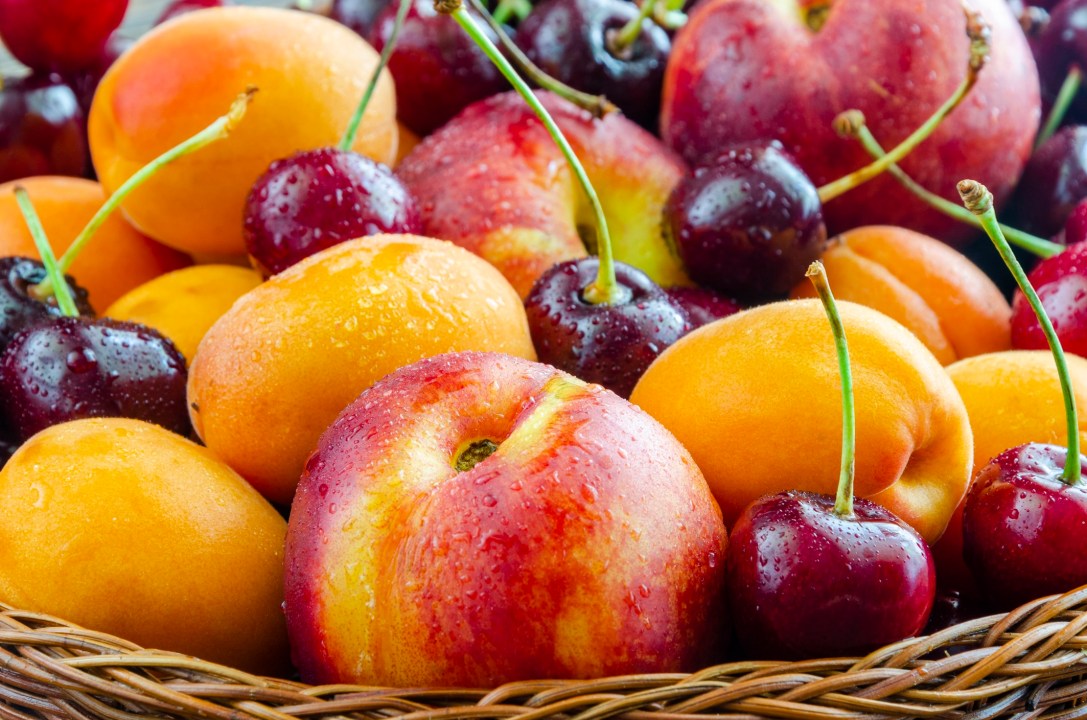
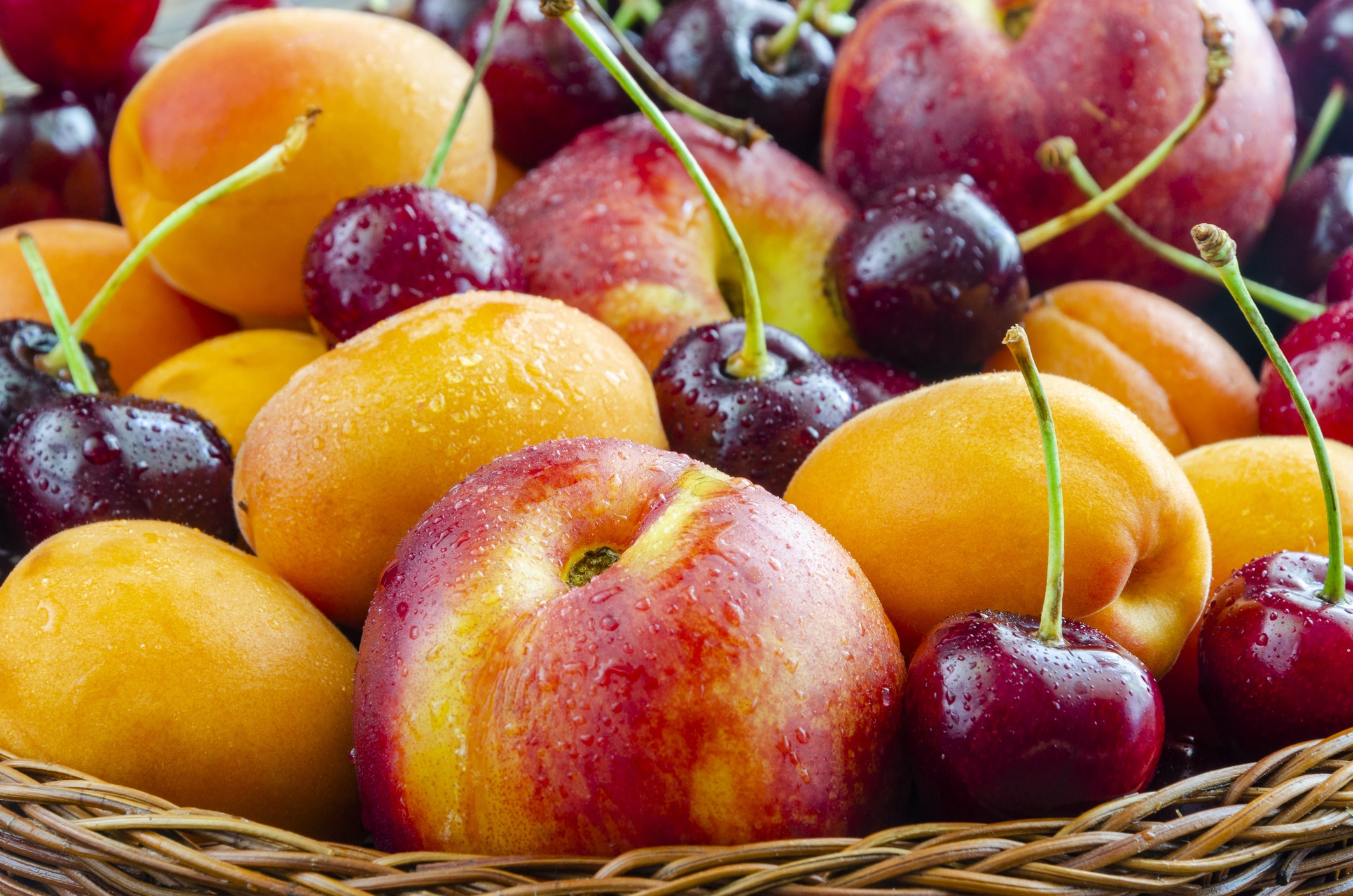
Is there a greater scam than the ‘ripen at home’ punnets of fruit that the supermarkets flog? Flimsy netted plastic of peaches, plums and apricots promise so much and deliver so little. When ripe, they need nothing doing to them at all; even cutting them with a knife feels like overkill. But, when they don’t, the result is miserable: their wooly flesh clings to the stone for dear life, and to call the flavour lacklustre would be giving it too much credit.

In theory, these fruits should be a joy: representing the bounty of the season. All they should need is a day or two on the counter before they’re ripe for the taking. Their rock-bottom price compared to the eye-wateringly expensive version further along the shop shelf should be something of a clue that this is rarely the case.
And yet, the optimist in me never gives up. Or rather, it is fooled every time. That’s how I come to find myself the owner of at least one of these punnets of sad golf or cricket balls at least once a week in the summer.
Usually, these fruits have been picked early, deliberately underripe. This means that during the various stages of processing and handling that it takes to get them from the tree to the (likely international) supermarket shelves, they are less likely to bruise. Here, their hardness is a virtue. The fruit makes it home with you in one piece. The problem is that it usually remains hard and tasteless. Using atmosphere-controlled storage, low temperatures, reduced oxygen and increased carbon dioxide, suppliers can pick early, and then manipulate the fruit’s appearance, so that it takes on the colour of ripeness. Introducing higher levels of oxygen will ripen the fruit, but without the sun, the natural flavour and sweetness is missing.
In some cases, if watched like a hawk in the fruit bowl, you can catch it at the right point. But, more usually, it stays hard and unforgiving until eventually it rots – this due to it being picked too early even for these methods of handling.
Brown paper bags can help. Storing the fruit this way traps the ethylene gas that the fruit produces, which encourages starch to convert to sugars without trapping the moisture and carbon dioxide that would cause it to rot. But it’s not a foolproof plan, and I tend to find that out of sight (trapped in a brown paper bag) does indeed mean out of mind (destined for the food waste bin when I eventually remember my scheme).
So, what to do? Give up and resign yourself to a punnet of sad fruit going into the compost once a week? Never! Not on my watch!
Generally, the answer is a simple one: heat. The application of heat will bring to life the lurking, complex flavours and natural sweetness that we’d given up on. It will soften and plump the fruits, making them juicy and yielding, and their wooliness a distant memory.
So, what to do? Give up and resign yourself to a punnet of sad fruit going into the compost once a week?
Roasting or baking the fruit is an easy way to preserve its shape; the high oven temperature (200°C for around 20 minutes) brings out the latent sweetness quickly and can transform the drabbest of fruit. I like it best for peaches, which respond particularly well to vanilla and honey – here they are baked with thyme, too. But the method is identical for any stone fruit. If you’re using figs, cut a cross into the top of them so they splay open a little, and drizzle them with honey before roasting.
To poach, stone the fruit, but don’t peel it, slicing it into halves or quarters depending on its size. If poaching, add a tablespoon or two of sugar, and a small splash of water; bring to the boil, cover the pan and reduce to a simmer for up to ten minutes until the fruit has collapsed. Here Anna Higham, via Nigel Slater, serves poached plums with her delightful brown butter cakes. Pears, while not stone fruit, frequently fall foul of the ‘ripen at home’ tag and also respond magnificently to poaching: I love Ottolenghi’s method here, which poaches the pears with saffron and cardamom, until the flesh is spoonably-soft.
Jam can feel like a faff but there is nothing nicer than making a small batch, using a single punnet of sad fruit. My favourite is apricot, which, once stoned and halved, I combine with an equal weight of granulated sugar, the juice of half a lemon, and a scant teaspoon of orange blossom water. Let the apricot and sugar get to know each other overnight, encouraging the fruit to release its natural juices and the sugar to dissolve. This will mean a faster cooking process, which retains the apricot’s colour and flavour. Bring to a rapid boil and then cook until it reaches jam temperature (105°C). The equal weight sugar to stoned fruit plus lemon will also work with peaches, plums and nectarines, as well as the most miserable of supermarket strawberries and figs.
If you can’t be bothered with jam, then compote always strikes me as the cheat’s version: no specific temperatures to reach or fears of setting. We have a tub of this stuff in our fridge all the time, for spooning onto yoghurt. Follow the poaching instructions above. But, when the mood strikes me and I can be bothered to make a ‘proper’ ice cream or a no-churn ice cream, these seasonal compotes make the most beautiful ripple through a vanilla ice cream base. I’m going to try an apricot ripple through this ricotta honey and pistachio no-churn ice cream.
So, there you have it! Next time you see the ‘ripen at home’ tag, remember, maybe this time you actually can.






Comments