A tale of two prisons
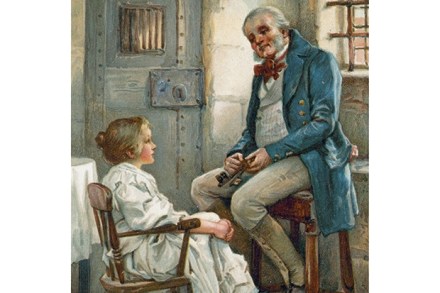
The Marshalsea was the best and worst place for a debtor to be imprisoned. From 1438 until its closure in 1842, there was dishonour in its name, contagion in its air and cruelty in its very premise: once detained, debtors could take no action to improve their lot. Instead, imprisonment was meant to serve to ‘rally friends and family’. Where none were forthcoming, many inmates died of starvation. The ancient barbarity of the system was redressed in 1729 when an inquiry revealed that medieval instruments of restraint were still in use — as well as a 3ft-long whip that terrified the debtors, fashioned out of ‘a bull’s pizzle, dried as hard as teak’. Even after the prison’s reform it was a death sentence to be on the ‘common side’.