More from Arts

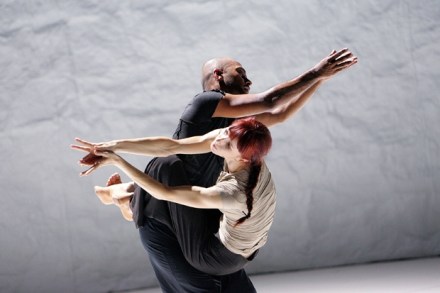
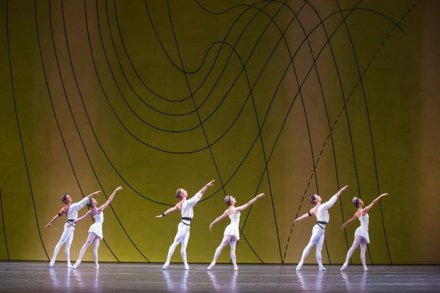
Thomas Ades’s Polaris at Sadler’s Wells: the dance premiere of the year

This has been an extraordinarily exciting fortnight, on and off stage. Premieres in anything from ice-skating to classical ballet, charismatic soloists in flamenco and Indian kathak, the front-page news of Sylvie Guillem’s retirement, and, even more astonishingly, English National Ballet’s announcement of its new Giselle next year by Akram Khan. Consequently I have to short-change

The genius of Cecil Beaton’s interiors

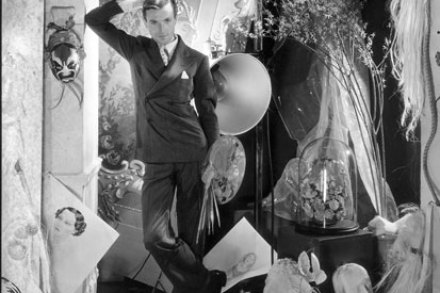
The odds were a hundred to one against him. Brought up in bourgeois Bayswater by genteel parents, Cecil Beaton was effete, pink-and-white pretty, theatrical and mother-adored, with a stodgy brother (but a couple of compliant sisters) —a cliché of post-Edwardian sniffiness, a leer through raised lorgnettes. A humdrum early education followed by Harrow might have

The only way is Essex University

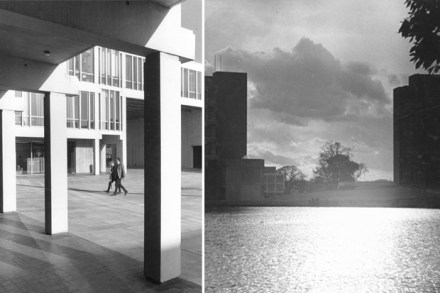
We are told this is now a ‘knowledge economy’. Strange, then, that there are so few recent educational buildings of note. An expansion of universities has not led to much enlightened architectural patronage. Rather the opposite, in fact. The university visual trope remains those dogged dreaming spires. And London’s skyline is punctuated not by grand

Matthew Bourne’s Lord of the Flies: when boys turn feral

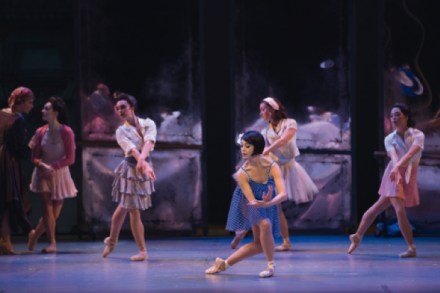
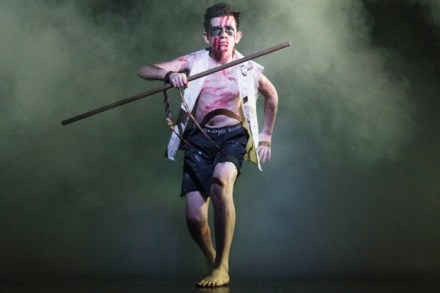
GCSE Eng Lit pupils are doing well from dance this season with two set books told in the medium of dance, Arthur Miller’s The Crucible and William Golding’s Lord of the Flies, and even Dylan Thomas gets a look in. As the two stories have similar dynamics and dramatic themes, it was fascinating to see

Even near the front line, there were flowers on the ward

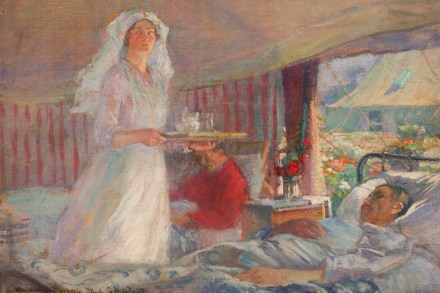
It’s the tub of bright red geraniums at the heart of the picture that startles. How did anyone have time (or energy) to water these bright, hopeful flowers amid the chaos of a field hospital in early 1915? ‘Tents with Stores and Flower Tub’ is one of ten paintings by Victor Tardieu in the Florence

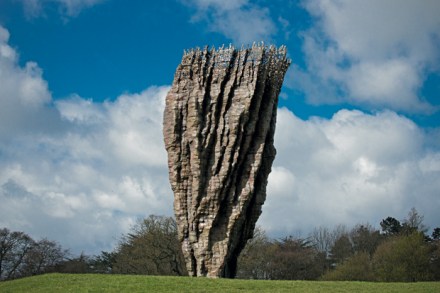
A wooden UFO lands in Yorkshire Sculpture Park

The New York-based sculptor Ursula von Rydingsvard comes from a long line of Polish and Ukrainian peasant farmers. She was born in Germany in 1942 on a forced labour farm to which her parents had been transported by the Nazis. Her early memories are of a wooden world — of huts, fences, domestic utensils and

Anne Seymour Damer: the female Bernini?

Anne Seymour Damer (1748–1828) was virtually the only female sculptor working in Britain during her lifetime. Contemporary artists may have dismissed her as a well-connected dilettante with curiosity value as a woman. But her most important connection was her uncle, Horace Walpole. He warmly praised his niece’s abilities: her terracotta ‘Shock Dog’ of 1780 (see

Less cuddly, more creepy: The Human Factor at the Hayward Gallery

Jeff Koons’s ‘Bear and Policeman’ has been used to advertise the Hayward Gallery’s latest show The Human Factor (until 7 September). But don’t be fooled; this exploration of the human figure is neither cute nor cuddly. It includes photos of rotting corpses, mannequins made from animal guts and live bees. It’s more creepy than kitsch.

3,000 acts and no quality control – why the Edinburgh Fringe is the greatest (and patchiest) arts festival in the world

And they’re off. The mighty caravan of romantic desperadoes, radical egoists, stadium wannabes, struggling superstars and vanity crackheads is on its way to Edinburgh. This year’s Fringe sponsor is Virgin Money, which must be some kind of in-joke because most performers spend August watching their life savings being ritually despoiled by landlords, press agents and

Romeo and Juliet: a Mariinsky masterclass

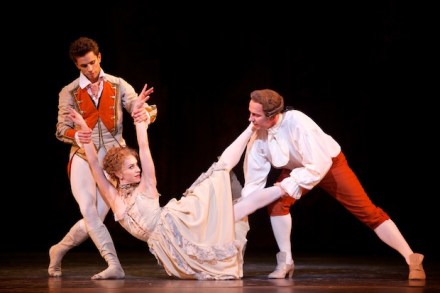
According to some textbooks, one thing the fathers of Soviet choreography hastened to remove from ballet was that awkward-looking language of gestures generally referred to as ‘ballet mime’. Which explains why most Russian versions of Swan Lake lack familiar mime dialogues. And when it came to creating new ballets that required silent acting, such as

A history of remembrance

One fight that seems to have been won is that spearheaded by the War Memorials Trust to preserve the thousands of memorials — monuments, statues, plinths, tablets — erected across the country to honour our war dead. Through conservation grants and hard graft, and a clampdown on the scrap-metal trade, many decaying and vandalised memorials

Alexander Pope, inventor of celebrity

‘The Picture of the Prime Minister hangs above the Chimney of his own Closet, but I have seen that of Mr Pope in twenty Noblemen’s Houses,’ wrote Voltaire in 1733. Alexander Pope’s start in life was not promising. A crippled hunchback, suffering chronic ill-health, he was, as a Catholic, excluded from Court, allowed to live

A celebration of Scottish artistic success over the past 25 years

Since spring this year, art venues across Scotland have been dedicating themselves to a gigantic project called Generation. Involving more than 100 artists and 60 venues, the programme is a celebration of Scottish artistic success over the past 25 years, a multifaceted retrospective that recreates lauded exhibitions of yore and puts together new ones by

‘Artmaking is a drug’ - interview with poet Paul Muldoon

A fellow festival-goer at the recent Calabash literary festival in Treasure Beach, Jamaica, enjoyed chatting to a gentle Irish poet called Paul. He told her he ‘dabbled’ in poetry, and she was seconds from asking if he was planning on reading any of his work at the open-mike session. When Paul Muldoon, the poet in

Ryedale Festival: a beacon of survival without subsidy

There are festivals of everything, everywhere. So why get excited about the Ryedale Festival (11–27 July) apart from the fact that it happens on my Yorkshire home ground — and I used to be its chairman? Every summer music festival proclaims the richness and variety of its menu. Ryedale, under the artistic directorship of Christopher