Spectator Life

Spectator Life

An intelligent mix of culture, style, travel, food and property, as well as where to go and what to see.

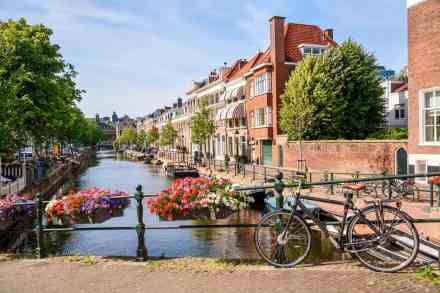
Forget Amsterdam – spend a weekend in the Hague

I love Amsterdam. I go every year for the galleries, the opera, the beer, the genever, the rijsttaffel, the brown cafés and, well, the fun. I’ve had many a fine time there, sometimes with and sometimes without dear Mrs Ray. It’s a top place.  I was cut to the quick, then, on hearing recently that the good burghers of Amsterdam had asked any British tourists in search of a ‘messy night’ to stay away. Admittedly, this controversial campaign is aimed chiefly at 18- to 35-year-olds on stag parties, rather than senior railcard-holders like me.
I’m a holidaymaker… get me out of here!

Reading about all the travel chaos, I began to regret my summer holiday plans. Wouldn’t it have been more sensible just to stay in Acton? But Caroline and I had arranged to go to Ibiza fora friend’s birthday party the weekend before last; then, after returning to London, we were due back in the Balearic Islands, this time with the kids. There was no turning back. The first thing to go wrong was that our British Airways flight to Ibiza from Heathrow was cancelled. Not that BA notified us. The first inkling I had that something had gone awry was when I tried to check in using the BA app the night before and it said that wouldn’t be possible.

The politics of sun loungers

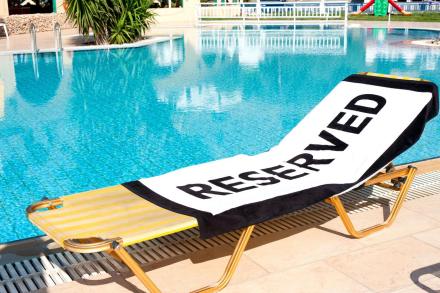
The poolside was deserted when we passed on our way to breakfast. This time, I thought, as we ate at the still-quiet restaurant buffet, we’d triumph. Yet arriving back at the pool after eating, all the sun loungers closest to it had already been claimed – by owners who were nowhere to be seen. Reserving loungers might have been against the hotel’s policy, but removing the towels and beach bags that their claimants had placed on top of them felt like an act of aggression. Instead I sulked silently from my bed near the bins as, an hour later, the family of four who’d taken the plum spot I’d had my eye on for my own family finally sauntered over, ready to spend some time in their premium seats.

New York hotels with a literary twist

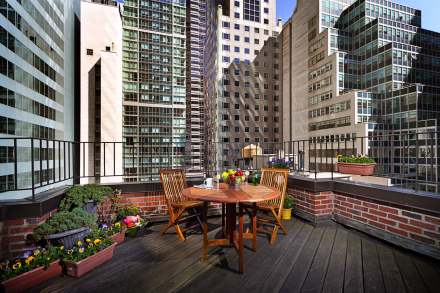
‘You really ought to read more books – you know, those things that look like blocks but come apart on one side.’ Perhaps F. Scott Fitzgerald was aiming for a motivational tone – literature was his livelihood, after all. He was also a seminal figure in the writers' movement that began in 1920s New York and, over the following decades, took root in hotels across the city. Hot on the heels of Spectator Life's guide to London's literary hotels, here are five New York hotels with their own tales to tell. The Algonquin Hotel [iStock] The Algonquin’s association with the infamous Round Table of the 1920s has provided it with more connections to literature and the arts than perhaps any other hotel in New York.

The joy of Suffex: England’s county that never was

There is a point on the dreaded A12 – a road so soulless it makes the M4 looks like Shangri La – when you reach the end of Essex. If you’re driving from London it takes you a surprisingly long time; there’s a lot of noisy beige concrete to go over – about 60 miles’ worth – with roadside highlights including a large, sad-looking ‘adult shop’ that was clearly a Happy Eater or Little Chef in more innocent times, and dejected-looking service stations with alarming short slip-roads. Then of course there are lorries galore thundering along, laden with shipping containers bound for Felixstowe, Britain’s happiest sounding port. Heading east you’ll pass signs for places like Basildon, Billericay, Brentwood, Chelmsford, Clacton and Southend-on-Sea.

My culinary journeys: restaurants worth travelling for

Whenever it is suggested travelling south or north of the Thames to visit an ‘amazing’ restaurant I usually start conjuring up excuses. Across London seems a journey too far for food – but going across an ocean for it can be worthwhile. In NYC last year, I found myself with an evening off and, staying in the Lower East Side, made my way to the Bowery Meat Company. The menu was perfect: steak and seafood, excellent cocktails, and sides which included sublime creamed spinach and whipped potato that threatened to float off the plate. I usually eat oysters naked, but Bowery’s version – baked under a parmesan crust – was irresistible. The steak was thick, juicy and cooked to perfection, the fries hot and crunchy.

What Japanese cities can teach us about architecture

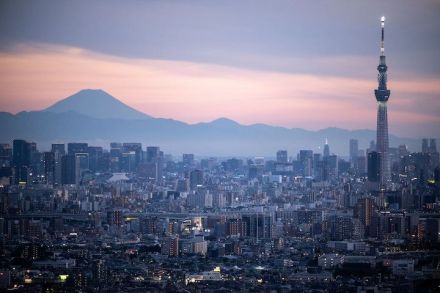
There are three things that occur to you when you travel the length of Japan: that kimonos are surprisingly good for any occasion; that the country’s reputation for cruelty may partly derive from breakfasts comprising tea porridge and prawn soufflé; and that the hordes of camera-wielding Japanese tourists taking thousands of snaps – a comic trope in the 1980s, at least – were really just ahead of their time and the rest of us are only now catching up thanks to our iPhones.

How to survive summer in Andalusia

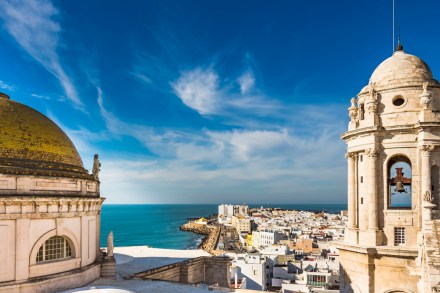
Early on in his biography of the novelist Kingsley Amis, Zachary Leader quotes a hilariously misanthropic letter Amis wrote to the poet Philip Larkin, one of his closest friends. Amis, at the time in his early thirties, was complaining about a three-month stint he and his family – including his son Martin, then five years old - spent abroad, as required by the terms of the Somerset Maugham Prize, which he won in 1955 for his first novel, Lucky Jim (Martin would also win it in 1973 for his debut, The Rachel Papers).

The strange allure of disaster tourism

Some people call me a disaster tourist. I’ve been to Afghanistan, Somalia, North Korea, Syria and Ukraine, to name just a few. I’ve been threatened by kidnappers and have been shot at, but it’s never seriously bothered me. A taste for danger is just part of who I am. That’s why I respect those five men who perished in the Titan submarine last week. They were prepared to descend into the crushing depths of the North Atlantic in a tiny submarine to look upon the most notorious shipwreck in the world, the Titanic. They wanted to experience a place so dangerous that only a handful of people on earth would ever dare go. With gunfire blazing all around, I felt more alive because I was closer to death There’s an allure to danger that is difficult to explain.

Welcome to the jungle: how Malaysia won me over

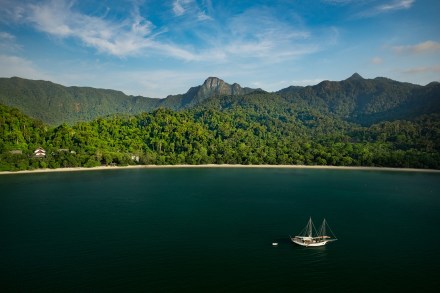
It’s approaching 6 p.m. at the Datai on Langkawi island, the tropical sun is still warm but no longer burny, and through my binoculars from my poolside lounger I’m watching the hornbills swooping down from the tall tree opposite and the sunbirds delving their long curved beaks in to some sort of exotic, colourful flora. By my side is a barely read copy of a classic work of literature and a half-drunk cocktail. I’m not sure that life gets much better than this. And that’s perhaps the main problem with staying in arguably Malaysia’s loveliest hotel.

Olé the Swiss way

I would never attend a Spanish bullfight. I find the ‘sport’ abhorrent, from the enthusiasm of the crowd for blood and gore to the inevitable killing of the poor, innocent bull. I know it’s a cultural thing but that doesn’t make it civilized. I’m even hoping, during the famous annual ‘running of the bulls’ in Pamplona, that some idiot aficionado is flipped in the air, run through by a bull’s horns and will then wake up and realize what it’s like to be on the losing side in such a match.  But Spain is not the only country in Europe where innocent bovines are attacked with a crowd cheering them on. It may be hard to believe, but in tranquil, fair-minded, neutral Switzerland, there exists a version of bullfights.

My pilgrimage to Lourdes

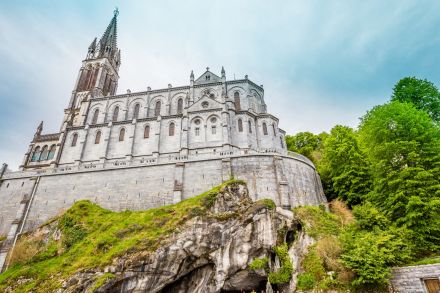
‘Will someone steal my coat?’ ‘No, you’re on a holy pilgrimage,’ my son’s Irish carer-companion Rosemarie reassured him. We were going to Lourdes, where in 1858 a poor peasant girl, Bernadette Soubirous, had 18 visions of the Virgin Mary. At Stansted I’d lost a tooth. I had a bad knee and an ancient foot injury. Should I not be in a wheelchair myself, instead of being a helper? Our group was BASMOM, the British Association of the Sovereign Military Order of Malta. I was a bit dubious about Lourdes (Rosemarie’s idea). Wasn’t the Order full of recusant Catholics who my father, a Knight of Malta himself, always claimed were ‘interbred’?

How to make the most of Basel’s spectacular artistic delights

Standing on the quayside beside the River Rhine, gazing at the happy teenagers swimming in the dark water down below, I wonder where the last forty years have gone. Forty years ago, I was one of those teenage swimmers, swept along by the fierce current through the centre of this ancient city. Now, half a lifetime later, I’m one of the watchers on the shore. No matter. Switzerland’s most stylish city is always full of interest, whether you’re a participant or a spectator, and this week it plays host to the most prestigious art fair in the world. On the face of it, Art Basel sounds like just another boring trade fair – posh art dealers selling pretentious artworks to filthy rich collectors – but there’s more to it than that.

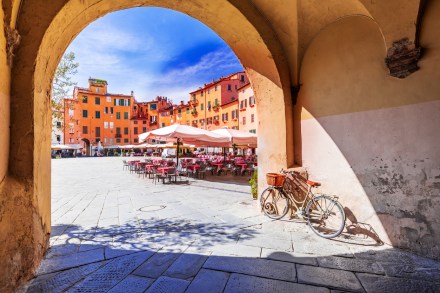
Forget Florence – try Lucca

Better located, conveniently compact and free from busloads of tourists, the city of Lucca is emerging out of the shadow of Florence. Tourists and holiday home buyers are discovering that the northern Tuscan province is an excellent alternative to Chiantishire.  Within an hour of both Pisa and Florence airports, it’s the perfect weekend getaway, but it’s also a great base from which to explore the fashionable beach towns of the Tuscan coast or Cinque Terra.  Lucca is above all famed for its walls. Not just the impressively intact 4.2 km long Renaissance one that encircles the city, but the chunks of Roman-medieval ramparts.

The beauty of passport stamps

As a travel writer, I can get blasé about many aspects of travel: the free five-handed massage, the private plunge-pool out the back, those odd bits of overchilled orangey cheddar in an average Biz Class lounge. But one slightly childish thing that always pleases me is stamps in my passport. They should be emotionally meaningless: they are, after all, tiny and potentially annoying examples of frontier bureaucracy, ways and means by which a nation keeps tabs on you. And yet the other day I was going through the airport at Ibiza and getting my Spanish exit stamp – a Brexit benefit or drawback depending on how you feel – and the nice passport lady flicked through my passport, seeking a rare empty page, and said: ‘Wow, you have a lot of stamps.

My weekend with the llamas of Surrey

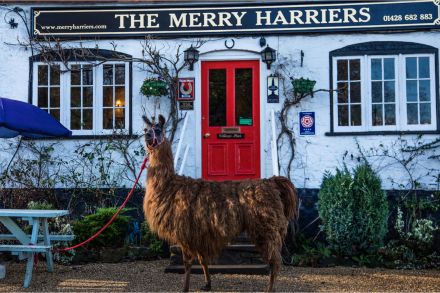
Want a taste of the Andes without forking out for the trans-Atlantic flight? There is a herd of delightful llamas to be found in the fields behind The Merry Harriers Inn in the quaint village of Hambledon, Surrey, in which you can walk under the guidance of the equally delightful young llama handler, Clara. Afterwards, you can return to the inn for a pint and a roast, before retiring to your shepherd’s hut for a soak in the wood-fired hot tub. Or at least, that’s how I spent one relaxing weekend with the boyfriend and dog recently. I can highly recommend it.

Dear tourists, you’re welcome in Brighton

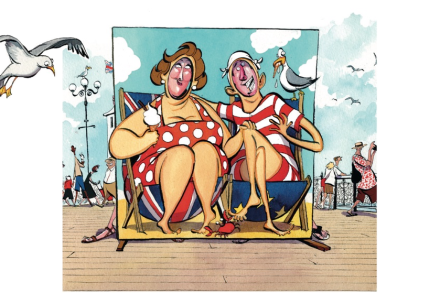
I love my adopted hometown of Brighton and Hove – I moved here in 1995 and I still feel like I’m on holiday. I love everything about living here. The obvious thing is the sea. Although I hear what our local Surfers Against Sewage say, nothing’s going to keep me out of the briny. The water quality at Hove Lawns Beach – literally at the end of my avenue – is excellent at the mo, whereas when I first lived here, it was quite normal to emerge from even a brief dip festooned in all sorts of unmentionable stuff, like an obscene Christmas tree. Here comes the summer – and the tourists. Personally, I love ‘em I even love the seagulls. I know in theory that they’re flying rats but their natural comedic bent never fails to crack me up.

How to join the beach hut brigade

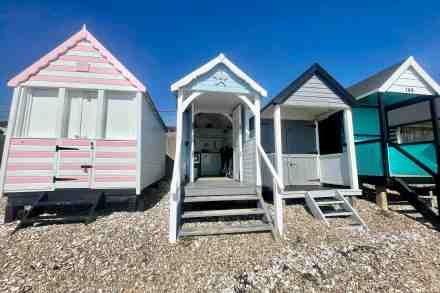
They are expensive to maintain, plagued by tourists and influences seeking picture-postcard holiday snaps and cost more per square foot than houses in some of London’s most affluent neighbourhoods – despite lacking basic amenities such as running water. And yet such is the allure of the traditional seaside beach hut that, amid an otherwise shaky housing market, prices for these modest timber shacks just keep rising.  According to research by Moverly, which provides digital home information packs, the average asking price of a beach hut in England stands at £49,290 – up 43 per cent in the past year. In Dorset prices are up 101 per cent to more than £120,000.

How to combine city break and safari in Kenya

Nairobi is blossoming. With its vibrant art world, nascent farm-to-fork restaurant scene and unique hotels, east Africa’s biggest city is increasingly on the radar of international travellers. ‘We’re definitely seeing people wanting to stay longer in Nairobi,’ says Rose Hipwood of the Luxury Safari Company. ‘It’s absolutely a cosmopolitan city now. Rather than flying in and flying straight out on safari, people are wanting to extend their stays and see what restaurants, bars and museums there are.’ The country's safari offering is developing, too. Away from the crowds of the Maasai Mara, lesser-known hotspots are finding a following – devoid of people but brimming with nature.

Why now is the time to visit Aldeburgh

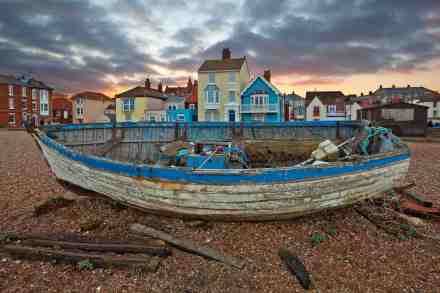
I have been reading Ronald Blythe’s Next to Nature which came out in October, just a few months before the great man’s death aged 100. And so a weekend holiday in Suffolk was calling to me. I went to Aldeburgh, on the coast, north of the river Alde. The town appears to be thriving – full of bustling cafés and London money. It is fashionable and chic. In many respects it is a world away from Blythe’s Akenfield. But there is much here to charm you. I lingered by a wonderful second-hand bookshop, Reed Books 4, its window display with Peter Kent’s Fortifications of East Anglia, George Ewart Evans’s The Farm and Village and Hugh Barrett’s recounting of a rural Suffolk morning in Early to Rise. Is this what Scruton meant by oikophilia? Here was heart-warming local pride.

How to spend 48 hours in Hiroshima

Tourism is well and truly back in Japan, with packed flights and full hotels during the popular sakura (cherry blossom) season last month. And from today, all eyes will be on Hiroshima as it hosts the 49th G7 summit – an event that Japan’s Prime Minister Fumio Kishida has promised will showcase the ‘charms of our country’. So what can visitors expect from the city best known as where the world’s first atomic bomb was used in warfare in 1945? While Tokyo will no doubt be top of the to-do list for anyone on a flying visit to Japan, during a recent tour of the country it was western Honshu, where Hiroshima is located, that charmed us the most.

How to get a passport in a hurry

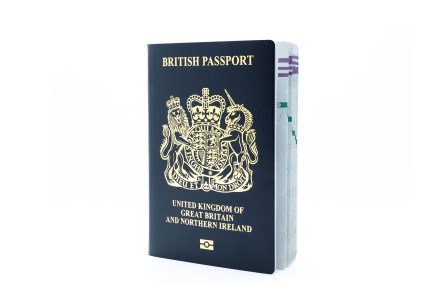
Standing at the security check-in at the Passport Office in Peterborough, my hands felt suddenly clammy, despite having been made to wait outside in a chilly wind until my allotted appointment time. This moment had been a long time coming – but from eavesdropping on others in the queue I knew it could all yet go wrong. ‘I was here two weeks ago but I’d filled in something incorrectly on the form,’ said the woman in front of me to the staff member searching her bag. Meanwhile, the man behind flew into a panic when asked to show proof of an appointment booking on a mobile phone. ‘Oh hell, my wife booked this so everything’s on her phone,’ he told the security staff, only to be despatched back outside.

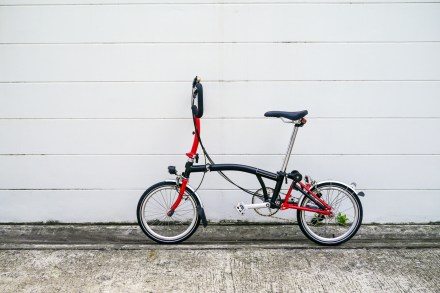
How to travel the world on a Brompton

The first time I set eyes on a Brompton, well over a quarter of a century ago on the Lincolnshire coast, I thought it was a child’s bike. When the owner returned, he took great delight in demonstrating its folding mechanism, untangling the metal tubes and cables. I decided I wanted one but delayed making the purchase until I reached retirement.  Much of the decade since then has been spent travelling solo to well over 100 countries across six continents – with my Brompton in tow. It has accompanied me to 42 European capital cities and several African countries. Unlike conventional road bikes, the great advantage of the Brompton is its portability.

London hotels with a literary twist

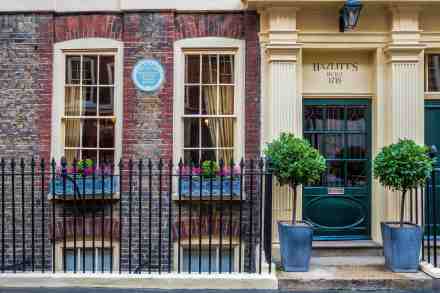
There’s something rather wonderful about the idea of settling down for the night in the spot where one of your favourite writers once slept, played or dreamed up a plot. There are a range of hotels across London with a vast array of bookish associations: some have played host to writers both famous and infamous, while others have been commemorated in novels, poems and short stories. Their present-day owners are all too happy to show off their literary heritage, should you ask nicely. Here are six with the most interesting tales to tell. Hazlitt’s [Alamy] There are few London hotels with so existential a literary connection as Hazlitt’s on Frith Street in Soho.

Food worth flying for

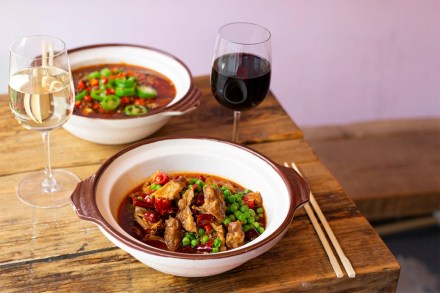
Somewhat by accident, I’ve become a professional glutton. The sort of person who’ll traipse for an hour in the wrong direction, just to try the breakfast burrito that a friend of a friend’s chef boyfriend won’t shut up about. By some miracle, I get to write about it. I’m often asked about the best thing I’ve eaten recently, and where. It’s hard to quantify the exact chemical make-up of the perfect meal, but I know this to be true: it’s the company that makes a place stick. A treasured friend or a spanking new one; a cheeky flirt in a fresh city. I like a busy open kitchen, lighting low enough to hide my eye bags, quietly great service and maybe a bit of hip hop on a crackly record player. These are the places I flew to try, and would again. Choose your company wisely.

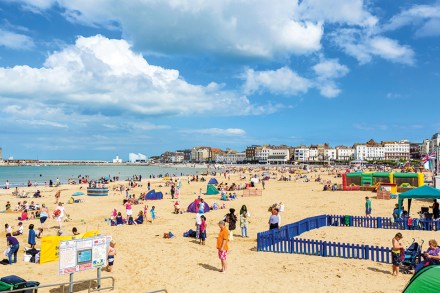
The sadness of Britain’s seaside resorts

Now the exhilaration kicks in, the lightness of heart, a joyfulness surging along the warmed blood vessels and tingling extremities: every cell feels as if charged with new life. There has been a ritual, a sacrifice, an offering to the waves of flesh and pain, and in return, there is restoration, life given back. Thus Madeleine Bunting describes the bliss, not of swimming, but of having just emerged from the icy British sea into which she is addicted to plunging in winter as well as summer. In this fizzing state, having pulled her clothes back on, she goes straight to the nearest steamy café for fish and chips and tea. When package holidays became available, ‘Blackpool moved lock, stock and barrel to Benidorm’  Tempted?

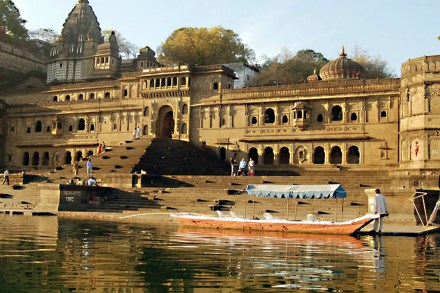
The joy of India’s heritage hotels

As the pandemic roared through India, I wondered when tourists like me would be able to return to a country so central to the traveller’s imagination. When we did return, would it show the scars of the hideous death toll and extreme burden of suffering? Would we feel safe? Finally, nearly three years since I first wondered this, I went to find out. I flew not long after India relaxed all Covid paperwork late last year. A sadistically bureaucratic nation at the best of times, India had scrapped British e-Visas in retaliation for something that no one can quite work out, making the visa application process somewhat Kafka-esque. The e-Visa has, thankfully, since returned.

Tales of an octogenarian hitchhiker

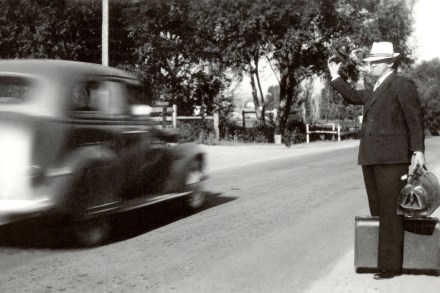
Hitchhiking has always seemed to me a good way to get about. It is cheap, some drivers even treat you to coffee or a meal, and it is always companionable. What’s more, the knights of the road who stop for you are often people you would otherwise never meet. My first experience was when I hitched from London to Athens and back in 1951. South of Florence, en route to Rome, I discovered that not all drivers were knights. I was wearing, I am pretty certain, grey flannel trousers, a tweed jacket and a tie (this was the 1950s). After a short time of putting up my thumb, a Fiat Cinquecento swerved over to where I was standing. The window on the passenger’s side was wound down and a woman’s voice said: ‘I can see you are English and I need someone to protect me.

Why Madeira is like Swiss cheese

Three days on Madeira can feel like a week – not because time ­­drags, but because the place is so varied with its many different weathers. From the aeroplane you could be circling over the Caribbean, an impression given by the lush scrambling vegetation and orange rooftops jostling up the mountains. We landed at Cristiano Ronaldo airport, named for the most famous living Madeiran. Having surveyed the situation from the air, I wondered how he found anywhere flat enough for football. We kicked off with a puncha – Madeira’s ubiquitous rum punch, sweetened with orange and honey. It was our duty and pleasure to try it We headed first for the sunny southwest, to Quinta da Vinhas, a wine-growing farm above the seaside resort of Calheta.