Ruth Bloomfield

Why would anyone live in a listed building?

From our UK edition

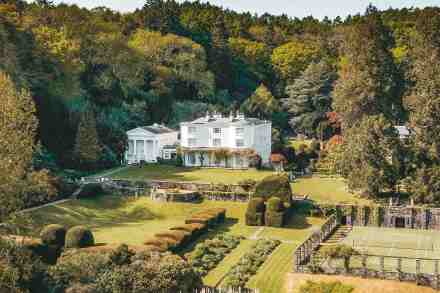
When Zoë Cave Hawkins bought a run-down townhouse in the heart of the cathedral city of Winchester, she was fully aware that getting permission to update the Grade II-listed property was going to be a bit of a hassle. But the reality was far worse than she could have imagined. As fast as her architects could draw up plans, a phalanx of planning officers, listed building officers and conservation officers would descend to rip them up.  A proposal to build a terrace above the new flat-roofed kitchen extension was nixed because it would mean replacing a series of original windows on the first floor with modern French doors. A new door to an en suite bathroom was vetoed because it meant taking out a section of batten and horsehair wall.
Farewell to the Fleet Street I loved

From our UK edition

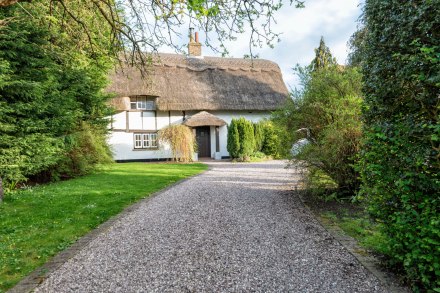
Filthy, foetid and fraught with danger. A magnet for hooligans, hard drinkers, a few saints and plenty of sinners. And that was Fleet Street before the newspapers moved in. This ancient thoroughfare, in use since Roman times, is one of London’s most famous occupational streets, much as Jermyn Street is known for its tailors and Harley Street its medics. The difference is that Fleet Street is inexorably linked to newspapers despite the fact journalists have not pounded its pavements for decades, the trade having moved on to Wapping and beyond at the tail end of the last century. Now Fleet Street is on the cusp of another new era, with plans to replace many of its historic buildings with modern office blocks.

‘CleanTok’ and the psychology of spring cleaning

From our UK edition

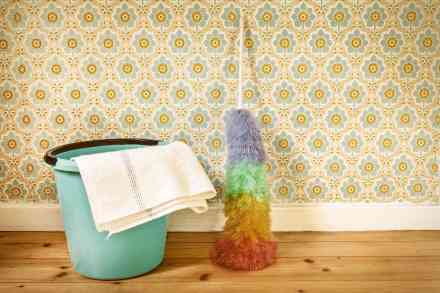
Thousands of years ago, housewives living in what is now Iran would prepare for the spring equinox and Persian New Year by cleaning their homes from top to bottom. Today, ‘cleanfluencers’ on social media earn a living all year round by demonstrating how to keep your home sparkling. That might mean road-testing their new robot vacuum cleaner or going old-school and scrubbing grubby grouting with baking soda (spoiler alert: stain-removing toothpaste works better). Times have changed but the tradition of spring cleaning is alive and kicking.

How Trump is fuelling London’s prime property boom

From our UK edition

From Henry James and T.S. Eliot to Wallis Simpson and (albeit briefly) Taylor Swift, US expats have had a long love affair with London. But over the past year the number of Americans – overpaid, what with their favourable exchange rate, oversexed, possibly, and certainly over here – has been escalating fast.  In 2024, 6,100 Americans applied for British citizenship, the most since records began – in what’s been dubbed the ‘Donald dash’. And it seems it’s the wealthy who are leading the charge. According to estate agent UK Sotheby’s International Realty, four in ten of the $15 million-plus properties sold in the British capital last year went to US buyers.

Why the London exodus is over

From our UK edition

During the course of last year, Alex Greaves and his wife Sarah seriously considered moving out of London. The couple, who live in Southfields in the south-west of the city with their sons aged two and five, were tempted the idea of a new life in the country – inspired largely by friends’ idyllic tales of moving to the sticks and into a home far grander than anything they could possibly afford in the capital. In the end, though, Alex and Sarah decided to stay put. And they are not alone. In the past year the number of Londoners leaving the city has dwindled dramatically. Research by estate agent Hamptons found that during 2024, Londoners purchased just 5.7 per cent of all homes sold beyond the city limits. This is a decade-long low, and down from a peak of 8.

Confessions of a ‘gazunderer’

From our UK edition

'John' has a dirty little secret – one so shameful that he has insisted on anonymity in order to tell his story. Last year, while in the process of buying a three-bedroom family house in Whitchurch, Hampshire, the 42-year-old office worker committed an act which, while perfectly legal, could kindly be described as ruthless. ‘We made an offer for the house, a bit below the asking price, and it was accepted,’ explains John. ‘But over the weeks that followed we started to have second thoughts. A few friends and family members were surprised at how much we were paying for the property. ‘It got to the point where I was hoping the survey would show something bad, so we could renegotiate, but it didn’t.

Goodbye, Earl’s Court

From our UK edition

Earl’s Court as I first remember it was where Australian travellers found a cheap bed for the night. It was also the place to go for beers with unfamiliar labels, and bags of kiwi fruit, a rare delicacy in the 1980s. And at a time when Neighbours was riding high in the TV ratings there was fun to be had eavesdropping on conversations littered with ‘fair dinkum’ and ‘strewth’. There are some troubling details: skyscrapers being built in a largely low-rise Victorian neighbourhood and the way streets at the perimeter of the site will be overlooked and overshadowed  Older generations will remember earlier waves of immigrants. There were the Polish soldiers who were resettled there after the second world war and set up shops, cafes and clubs.

Would you rent a John Lewis home?

From our UK edition

John Lewis recently returned to its roots, resurrecting its ‘never knowingly undersold’ price-matching promise. But it’s hard to imagine how the company, which opened its first store on London’s Oxford Street in 1864, could apply this undertaking to its latest venture. For, not content with supplying the nation with sofas and curtains, lightbulbs and sewing patterns, John Lewis wants to provide the actual homes to put these items into – dipping its corporate toe into the world of 'build to rent', or BTR. The retailer has unveiled plans to construct almost 1,000 rental flats at three company-owned sites – above a Waitrose store in Bromley, south-east London; on a brownfield site in West Ealing, west London; and on a warehouse site in Reading, Berkshire.

The growing appeal of the outdoor kitchen

From our UK edition

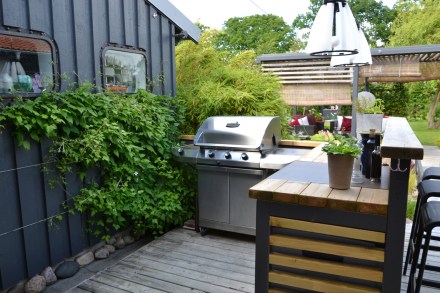
For most of us the main ingredients of outdoor cooking are a smouldering barbecue grill, slabs of alternately under- and over-cooked meat and a light sprinkling of frustration. But these days, it seems, there is another option on the menu. Ever since the pandemic, more and more homeowners have been investing in lavish outdoor kitchens – keeping up with the Joneses with garden wine fridges, rotisserie grills, pizza ovens and professional-quality prep areas so they can cook and eat outside in comfort. The concept has been enthusiastically adopted by the likes of David and Victoria Beckham, who are reportedly awaiting a verdict on a planning application for an all-singing, all-dancing outdoor kitchen at their Cotswolds barn.

In praise of the suburban semi

From our UK edition

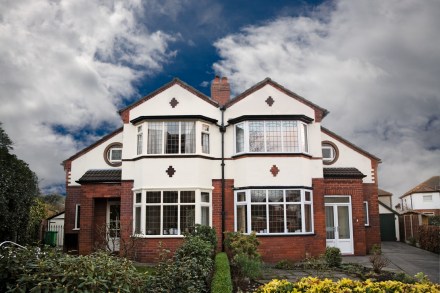
In 1939 George Orwell took aim at burgeoning British suburbia and its population of lower middle class lackeys in his novel Coming Up for Air, memorably describing the new homes being built on the fringes of cities as ‘semi-detached torture chambers where the poor little five-to-ten pound a-weekers quake and shiver'. More than eight decades on and the Office for National Statistics reports that one in three of us lives in a semi-detached home, an architectural style with a far longer and more interesting history than Orwell may have been aware of. They are also – officially - the hottest property type on the market. Analysis of more than 100,000 house sales over the past year by sales firm Property Solvers found that semis took an average of 150 days to sell.

Has the regeneration of Elephant and Castle been a success?

From our UK edition

It has been ten years since work began in earnest on the regeneration of one of the few surviving sections of old-school central London. While the rest of Zone 1 seemingly saw wall-to-wall gentrification, Elephant and Castle remained an outpost of stubborn, scruffy ordinariness, an oasis of discount stores, greasy spoons and traditional boozers. Over the past decade, billions of pounds have been lavished on sprucing up the Elephant. But while the old place certainly looks quite different – a cluster of new towers, thousands of new homes, a gaping hole where the 1960s shopping centre once stood – this is a regeneration that has had its fair share of troubles.

How to join the beach hut brigade

From our UK edition

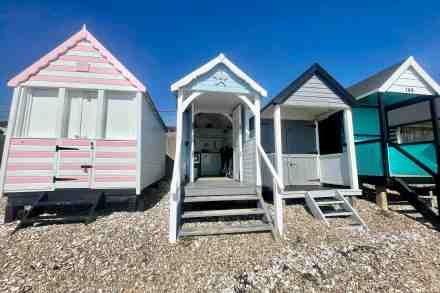
They are expensive to maintain, plagued by tourists and influences seeking picture-postcard holiday snaps and cost more per square foot than houses in some of London’s most affluent neighbourhoods – despite lacking basic amenities such as running water. And yet such is the allure of the traditional seaside beach hut that, amid an otherwise shaky housing market, prices for these modest timber shacks just keep rising.  According to research by Moverly, which provides digital home information packs, the average asking price of a beach hut in England stands at £49,290 – up 43 per cent in the past year. In Dorset prices are up 101 per cent to more than £120,000.

The inconvenient truth about heat pumps

From our UK edition

In Britain’s battle to cut carbon emissions, the government sees heat pumps as a key weapon. Unveiling the latest energy efficiency plan in March, energy secretary Grant Shapps doubled down on Boris Johnson’s offer of a £5,000 grant for anyone willing to install one. These smart bits of home technology work by transferring thermal energy from the air, ground or water. They are powered by electricity, which can be generated from solar or wind power, providing cheap and fossil fuel-free heating and hot water. So what's not to like? The concept is nothing new.

Why house-hunters are heading to Derbyshire

From our UK edition

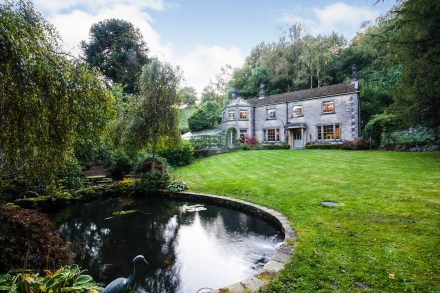
You don’t get much further from the seaside than Derbyshire, a county landlocked at the heart of England. During lockdowns house-hunters simply couldn’t get enough of coastal property, and prices in Wales and the West Country boomed. But three years after the start of the pandemic, a new property powerhouse is emerging.  According to the latest UK House Price Index, prices in North East Derbyshire are up by almost 20 per cent year on year, to £259,000. Across the way, prices in the Derbyshire Dales are up 18 per cent year on year, to an average of £362,000. This performance would be impressive in a strong economy, never mind against the backdrop of rising interest rates and spiralling inflation.

Mean streets: the psychology of neighbour disputes

From our UK edition

Eunice Day’s breaking point came when her neighbours asked if she would move her car from a communal grass verge in their cul-de-sac so that it could be mowed. After several weeks of polite hostilities, Day stormed a neighbour’s home in the Dorset town of Ferndown, a row ensued, and the resulting scuffle left the 81-year-old in court charged with assault. In Bedminster, Bristol, fed-up locals have taken a more passive-aggressive approach to ‘outsiders’ parking on their streets. Suburban vigilantes have been creeping out and sellotaping notes to windscreens urging their owners to park outside their own homes instead.

Would you pay £24,000 for a fridge?

From our UK edition

At the start of this month, the modish kitchen appliance brand Sub-Zero & Wolf proudly announced the launch of its Classic French Door fridge-freezer. This beast of a machine, featuring Nasa-inspired air purification technology and an automatic ice-maker complete with 'party mode', will set you back £23,868 ­– or the best part of a year's salary for the average UK worker. Admittedly it does look like an impressive piece of kit, what with its nano-coated glass shelves which stop spills from spreading, crisper drawers with humidity levels designed to keep food fresher for longer and shadow-reducing interior lights.

How ‘DFLs’ saved St Leonards

From our UK edition

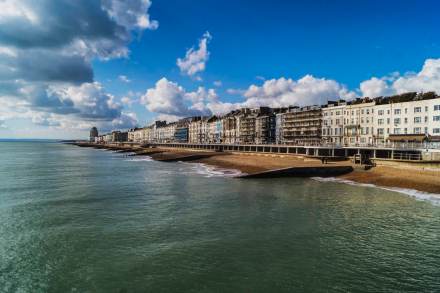
Almost 30 years ago, my journalistic career began in the faded seaside town of St Leonards-on-Sea, where I spent six months undertaking a crash course in shorthand, typing and all the basic skills of local paper reportage. With no previous experience of just how dismal an out-of-season holiday town could be, my spirits were high on the trip down the A21 – an extended coastal sojourn sounded like fun. The reality of St Leonards in the early 1990s brought me back down to earth with a bump. This once splendid Regency resort – created by the team which had designed London’s Bloomsbury and Regent’s Park – was a wasteland.  Its white stucco townhouses were crumbling. Most cafes and restaurants closed during winter so there was nowhere to go and nothing to do.

Gorgeous Georgians: the timeless appeal of Regency properties

From our UK edition

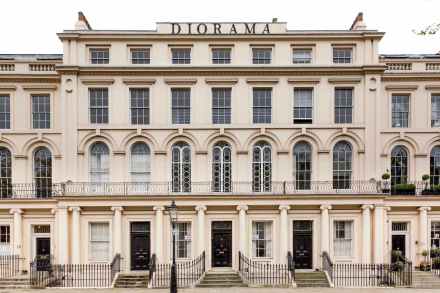
In the early years of the 19th century, the extravagant, spoiled and hard-partying Prince Regent had a surprisingly good idea. Encouraged by pals like Beau Brummell, and with the financial backing of the property developer James Burton, the future King George IV hired the architect John Nash to design a new London neighbourhood. His vision was for a series of magnificent streets, many in terraces styled like modern sugar-coated palaces, on Crown-owned land just north of central London. These ‘Regency’ homes would encircle a brand new park which, modestly, the future King would name after himself.

The death of the landlord

From our UK edition

Spring is property auction season, when a motley collection of semi-derelict houses, flats with leases in the single figures and the homes of mortgage defaulters get sold off. This year, though, a scan of the catalogues of some of the UK’s leading property auction houses reveals a new class of property under the hammer: rental flats. Under pressure from rising interest rates and increasing regulation, many landlords are opting for an exit strategy. According to recent research from estate agent Hamptons, Britain’s rental sector is losing homes at a rate of 66 per day. Agents across the country report an influx of instructions from small-time landlords who’ve decided to invest elsewhere.

How the bottom fell out of the prime country market (again)

From our UK edition

As trophy homes go, the Grade II*-listed Glen Usk is hard to top. Set on the west bank of the River Usk in Wales, it is a white rendered neoclassical fairy-tale of a Georgian country house and its current owners have thoroughly renovated the eight-bedroom home, set in 35 acres.  At the tail end of 2021 it went on the market with estate agent Fine & Country for £6.5 million. In November the Monmouthshire property’s price was dropped by £2 million after failing to find a buyer (and also to reflect a decision to reduce the amount of land to be sold with it from 75 acres to 35). Three months later, it is still on the market.