Jack Smith’s plot against the republic




All the latest analysis and commentary








The latest magazine
How Senator Ossoff became the Democrats’ latest great white hope
I’ve always admired Diane Abbott, one of the most left-wing British MPs, though admittedly only for one thing. Many years ago she campaigned against private schools. As a good socialist this comes as part of the ideological package, and Abbott was more than happy to join in the class war against parents who are in a position to educate their children outside the state system. However, as some readers might remember, when it came to her own school choice Ms. Abbott looked around the local state schools and decided that none of them was good enough for her own progeny. So she sent her son to the City of London School, a private school for boys. Confronted with this hypocrisy, Abbott did the sole thing that I admire her for.
I’ve always admired Diane Abbott, one of the most left-wing British MPs, though admittedly only for one thing. Many years ago she campaigned against private schools. As a good socialist this comes as part of the ideological package, and Abbott was more than happy to join in the class war against parents who are in a position to educate their children outside the state system. However, as some readers might remember, when it came to her own school choice Ms. Abbott looked around the local state schools and decided that none of them was good enough for her own progeny. So she sent her son to the City of London School, a private school for boys. Confronted with this hypocrisy, Abbott did the sole thing that I admire her for.
The good, the bad and the ugly in books, exhibitions, cinema, TV, dance, music, podcasts and theater.
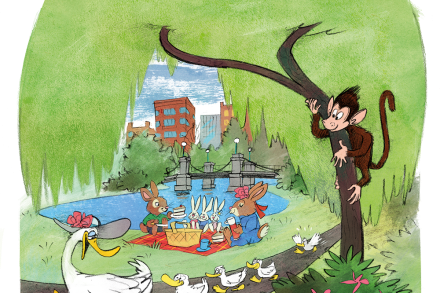
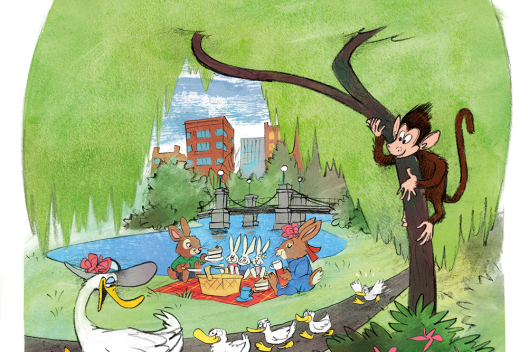
It was Labor Day in Boston and the bronze ducklings in the city’s Public Garden were each wearing a fluffy autumnal scarf. Nobody seems quite sure who dresses them, but at various points they have worn party hats, festive knitwear and hot pink. When the Tartan Army arrived for the World Cup earlier this year, Mrs. Mallard and her ducklings – Jack, Kack, Lack, Mack, Nack, Ouack, Pack and Quack – were forced to endure miniature traffic cones and saltires. The sculpture was created by Nancy Schön in 1987 to celebrate Robert McCloskey’s 1941 children’s book, Make Way for Ducklings. In 1990, former Soviet first lady Raisa Gorbachev visited Boston and admired the statue.



Cartoon

Cartoon

Cartoon