Spectator Life

Spectator Life

An intelligent mix of culture, style, travel, food and property, as well as where to go and what to see.

Should you stop taking melatonin?

Do you take it? If not, the chances are you’ll know someone who does. In an age of insomnia, melatonin has become a must-have sleep aid; as ubiquitous as yoga or herbal tea. In America, it is available over the counter and, according to The National Sleep Foundation charity, 27 per cent of adults take it. The use of melatonin has more than quintupled between 1999 and 2018. In the UK, where it is prescription only, melatonin use rose by nearly 900 per cent between 2008 and 2019, and many more of us – exact numbers are unknown – buy it unlicenced online. ‘People say it’s safe because it’s natural. Well, Vitamin A is natural.
Testosterone transformed my life. Why won’t GPs prescribe it?

Last summer, I became a participant in a covert drugs deal. I have never considered doing anything illegal, but I was desperate. This is how it happened. I was on a weekend away with friends, some of whom were women in their forties and fifties. I discovered that one friend, who lives an ex-pat life in a Middle Eastern country with fantastic private healthcare, had recently been given testosterone gel as part of her HRT medication. She had noticed a sharp and very welcome improvement. She reported feeling more alert, less forgetful, more able to get up off the sofa and be active and less likely to anxiously sweat the small stuff. I was fascinated. I had been on HRT (oestrogen and progesterone) for about six months, but I still felt terrible. Pre--menopause, I was full of energy.

Why summer diets don’t work

Tis the season to eat salads and wear skimpy clothes. At least, that’s what we’re led to believe, egged on by adverts featuring bikini-clad models, barely-there fashion in shops, television series such as Love Island that equate sunshine with slender figures and the perennial expectation that we should by now be ‘beach body ready’. We’re undoubtedly more sociable in summer. A study last year found that we’re twice as likely to make excuses to avoid a social event in the winter Yet quite aside from the idiocy of only being ‘allowed’ to enjoy the warm weather when we’re deemed aesthetically agreeable enough by unidentified authorities, summer isn’t ever when we are at our slimmest, is it?

The strange obsession with having the right ‘kit’

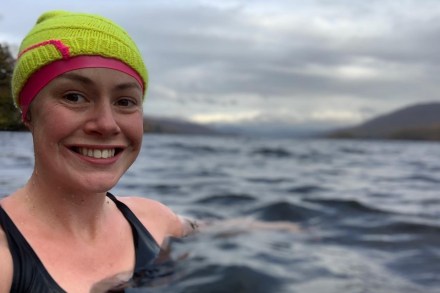
Have you got what it takes to go 'wild swimming'? No, not so much the hardiness or the love of sinking your feet into the boggy bottom of a lake or feeling something brush against your ankle that could be a fish, a plant or something more sinister. Have you got the right kit? Outdoor swimming - or open-water swimming, wild swimming, 'in-my-day-we-just-called-it-swimming', whatever you want to call it - is enjoying a swell in popularity, and alongside what is supposed to be a simple pursuit is a growing obsession with having the latest equipment. It's not just wetsuits - which a lot of purists eschew on the grounds that you don't get the same sensation of being in the wild water when insulated by neoprene - the kit list goes far beyond that.

What my father’s Alzheimer’s taught me

When I tell friends, ‘You never hear people talking about the upside of Alzheimer’s’, they look at me like I’ve said something about Hitler being nice to animals. In general, a mention of dementia will ruin any conversation. People freeze up at the thought. It’s true that having a relative with dementia is hard and the bad far outweighs the good, but that is no reason to ignore the positives completely. In fact, the tiny benefits can help you deal with all the downsides.  I’ve had a lot of time to look for the positives. Growing up, my grandparents had Alzheimer’s so I was aware of the condition, but I hadn’t thought that it could happen to my parents.

Confessions of a tanorexic

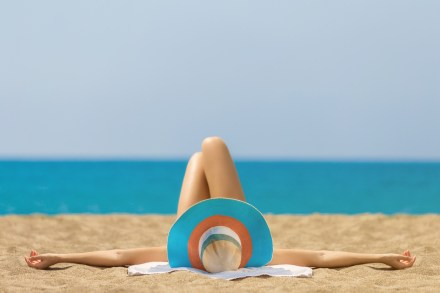
In an interesting piece for Air Mail, Linda Wells writes of ‘The secret lives of tanorexics’, asking: ‘What drives these bronze obsessives – and why won’t they ever learn?’ She questions her sun-baked friends about why they are so intent on doing a thing which they are warned will ruin their complexions and make it more likely that they get cancer – and doesn’t get a satisfactory answer from any of them. Reading it, I realised that I too am a tanorexic. It kind of creeps up on you over the years, like any other bad habit: one minute you’re having a harmless half-hour in a sun-trap pub garden in Hove and the next your hair’s falling out in Crete, as happened to me when I failed to wear a sun hat in July some years back.

Why I’m with Boris Johnson on Ozempic

Seeing Boris Johnson’s byline in the Daily Mail, I felt a flare of the affection which made me break free from my blue-collar tribalism and vote Tory for the first time in 2019. I remember thinking that the experience was rather like losing one’s virginity; worrying about it for months, then secretly planning it, then taking the plunge and thinking the morning after – ‘Gosh, that was nothing to be scared of – I might even do it again!’ I’ve been quite the reprobate myself during my long, louche life, and I’ve certainly lied and adulterated, so of course I can’t condemn anything that I’ve done too, as that would make me a filthy hypocrite. What I can’t forgive in a politician is sanctimoniousness – and he had none.

Help! I’ve become a marathon bore

Over dinner with a friend last week, halfway through a bottle of Merlot, I noticed her eyes starting to glaze over as I spoke. Normally, I’d be offended – but it’s something I’ve experienced a lot lately, and I’ve only got myself to blame.  I was in the middle of telling her a story about my latest running route, which is a slightly different version of a run I’ve been doing for years – down the country lanes near my house, but rather than cutting through the footpath in front of the fields, now I take a sharp left and go round the farm, doubling back behind the houses and adding at least six miles… sorry, were you starting to nod off?  It’s official: I have become a marathon bore.

How to make the most of the third trimester of pregnancy

The final trimester of pregnancy is a strange time. You’ll be told to rest, as if you can somehow bank sleep. The reality is likely to be a dash to buy everything you need, as well as don’t need (a hi-tech ‘nappy bag’ for instance). Once the baby arrives, even trying to get out of the house becomes a mission. With that in mind, here are some helpful ways to focus mind and body during the final few weeks, if you’d rather not spend too much time obsessing over the correct shade for the nursery.  Complete your baby courses The National Childbirth Trust runs the most well-known antenatal courses, but many others are available too. Bump and Baby Club is supposedly a little more relaxed in its attitude towards childbirth.

Our flawed body politics

‘New year, new you’, or so they say. And as sure as eggs is eggs (particularly for the high protein advocates), new year’s resolutions for many will have revolved around the quest for a new body. I use the word ‘body’ specifically because our prevailing culture keeps finding new and alarming ways to reduce us all, but women in the most dehumanising terms, into mere bodies; bodies that can be chopped, changed, rearranged increasingly even to accommodate the outward trappings of the opposite sex. This manifests itself most completely of course in porn, as it always has, where the cold-eyed camera sees everything of the body and nothing of the person inhabiting it.

The dark side of laughing gas

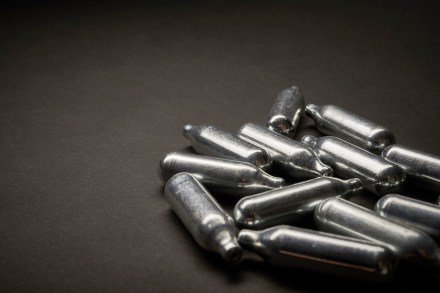
In his memoir Spare, Prince Harry has revealed he ‘enhanced his calm’ during the birth of his son Archie in 2019 by taking ‘several slow, penetrating hits’ of the canister of laughing gas in his wife Meghan’s hospital room. He described how when a nurse returned and tried to give Meghan a dose for pain relief, there was none left: ‘I could see the thought slowly dawning. Gracious, the husband’s had it all. “Sorry,” I said meekly.’ He is far from alone in enjoying the high that comes from laughing gas. Also known as nitrous oxide, it has become the second most popular drug (behind cannabis) among 16- to 24-year-olds, according to data from the Office for National Statistics. An astonishing 3.

The environmental cost of vaping

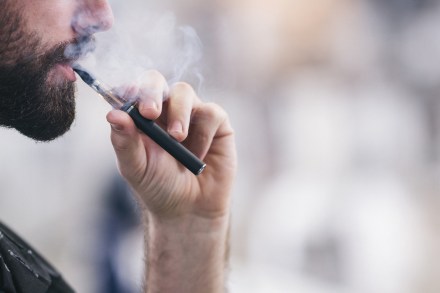
A few months ago I wrote a piece for The Spectator about the surge in popularity of Elf Bars and the potential health risks of these colourful e-cigarettes. But disposable vapes are now posing a different kind of problem – for the planet.  These single-use devices, which last for around 600 puffs, head straight to landfill after users suck out their smoke. The vapes which don’t make it to the dump can be found lining the gutters of our cities, having been cast aside. In Britain an estimated 4.3 million people use vapes today, up from around 800,000 a decade ago, according to YouGov data.

The mystery of chronic Lyme disease

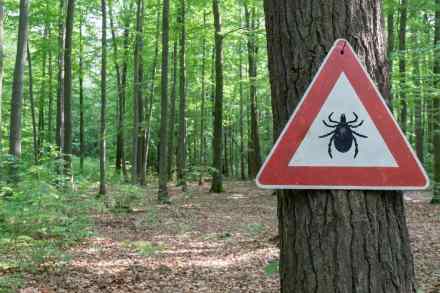
I struggled to pull myself out of bed in the morning. I slept for hours at lunch breaks and was having a hard time focusing. I was working six days a week as an editor at one of the world’s largest newspapers. I needed to concentrate. It was my first year there on a fixed-term contract. I didn’t have the security of knowing I would be hired afterwards; I had limited scope to make mistakes. Articles that required extensive fact-checking, style correction and careful proofreading felt like an insurmountable obstacle. What was wrong with me? I booked a doctor’s appointment to check my vitamin levels. I’m anaemic, so thought that could have been the cause.

The art of learning to breathe properly

I thought I knew how to breathe properly. My years of studying dance at various institutions have all involved tuition on breathing and its relationship with movement and posture. So I was sceptical when I joined my step-sister Octavia’s online breathwork classes – what more was there to learn? My first class was in lockdown, at a time when many of us felt in a continual state of anxiety. We were guided through various techniques that manipulated the rate and depth of our breathing. It was dynamic and intense, much harder than I imagined. But nothing much happened at first. I started to think that maybe this wasn’t for me.

The dangerous rise of Elf Bars

Have you seen the colourful sticks with blue lights hanging out the mouths’ of most teens and many adults? Elf Bars are the colourful and sweet disposable vapes causing a wave of dependence across all age groups.    While the government is looking to rid the nation of tobacco smokers, electronically delivered nicotine is becoming a new frontier.   People who have not smoked before are getting addicted to Elf Bars. And ex-smokers are turning back to cigarettes to wean themselves off the potent pens.  Costing between £4 and £12 depending where you buy them — they are cheap. Watermelon, Grape, Cola and Cotton Candy are a few of the 28 flavours on offer, and each user knows the flavours they love and the flavours they hate.

Spectator Out Loud: Robert Hardman, Meirion Thomas and Sarah Ditum

23 min listen

On this week's episode, Robert Hardman reads his cover article on the quiet radicalism of Queen Elizabeth II (00:50); J. Meirion Thomas reads his article on the 'total triage' system that is leaving patients unable to see their GPs; and Sarah Ditum reads her review of Sandra Newman's new novel, The Men.Presented by Angus Colwell.Produced by Angus Colwell and Cindy Yu.

Why vinegar could be the key to losing weight

We all know about the perils of sugar. 90 per cent of us suffer from glucose (blood sugar) spikes every day. You may have even contended with the symptoms without recognising the cause: fatigue, cravings, mood swings, poor energy, bad sleep, acne and, crucially, weight gain. But what if you could mitigate the effects of glucose without forgoing sugar and carbohydrates completely? Starchy and sugary foods turn to glucose as we digest them. The resulting glucose then enters our blood stream. If too much glucose arrives too quickly in the bloodstream it causes a glucose spike. These spikes bring with them consequences: inflammation, premature ageing and fat storage. Many diets suggest cutting out sugar and carbohydrates completely.

The truth about the anxiety epidemic

Knots in the stomach? An overwhelming sense of despair? Nervous, restless and tense? That'll be the anxiety talking and for good reason. What with the financial crash, austerity, Brexit partisanship, climate change catastrophising, social media derangement, pandemic pandemonium and now the possibility of a third world war, I'd be concerned if we weren’t all feeling a tad anxious. Indeed NHS leaders are now urging ministers to tackle what they are calling a 'second pandemic' of depression, anxiety, psychosis and eating disorders, brought about by recent events. Indeed, one study published in the British Journal of Psychiatry found that diagnoses of anxiety had tripled in young adults since 2008. It's right that we take mental illness seriously.

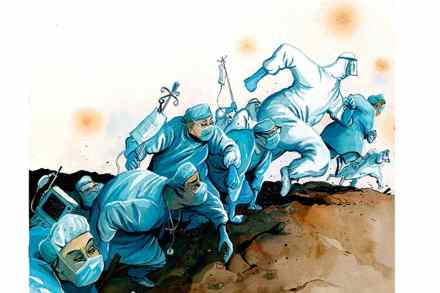
Lessons from the pandemic: collaboration in healthcare

27 min listen

Over the past months, under the weight of a global pandemic, scientists and medical professionals have had to rethink the way they do things. We found not one - but numerous - vaccines within the space of a year; new treatments have been discovered, some repurposed from existing drugs; and manufacturers and politicians alike have had to think creatively to plug the gaps of the pandemic. There must be lessons we can learn from this experience - things that big pharma and scientists can do better in the future, having this time round done so in emergency circumstances. That’s the topic of this special episode of The Spectator’s podcast, sponsored by the pharmaceutical company Novartis. I’m delighted to be joined by a panel of expert guests.

The science behind why diets don’t work

For decades we have been told that it’s all our fault; that the reason many of us don’t manage to lose weight is a lack of willpower. But there’s a bigger cause behind our failure to shift the pounds and it’s certainly not due to floundering commitment. It’s down to a part of the brain called the hypothalamus. In fact, there are several well-researched biological pathways that protect our body from weight loss and ensure our weight rebounds each and every time we attempt to slim down. Research shows that in order to lose weight and make it stick, you must eat well and exercise for a month – then have a month off.

Since when did running become so exclusive?

Many of us have reached the conclusion of late that the world has gone mad, so it will come as no surprise to learn that it's now possible to sign-up for a run with an entry fee that's proudly claimed to be 'the second highest in the world'. To those who have long regarded running as a) something that you would pay not to do or b) an activity that's appealing because it's one of the few things left in life that's free, entering the four-day 'Highland Kings Ultra' might seem like an odd way to blow £15,499. But, according to organiser Primal Adventures, 'a significant number' of the 40 slots for the April 2022 event are already filled.

The myth of the middle-aged spread

I plead guilty as charged m’lud. For the last four decades I have been telling patients who have been losing the battle with waistline spread that it’s their body's metabolism causing all the problems. This was conventionally believed to start to steadily slow year on year from the mid-30s onwards, meaning it became trickier to shift those stubborn pounds as time went by. It was also assumed that hormonal changes such as occur in pregnancy or the menopause further impacted on how quickly we burnt off calories, all adding to the struggle to keep weight off. Well, it now seems that, along with the rest of my medical colleagues, I was probably doing those patients a disservice.

The dos and don’ts of staying cool

Britain isn't a country geared up to deal with extreme heat. We lack cool spaces to retreat to; our homes and gardens are often better suited to rainy winters than the hot, balmy summers we associate with the med. But with an extreme heat weather warning issued by the Met Office and with large parts of England and Wales being affected in the coming days, it's wise to take precautions. People vulnerable to extreme heat are likely to experience 'adverse health effects', while the rest of the population could suffer heat exhaustion and other heat-related illnesses that are not usually visited on these shores.

What comes after 19 July?

16 min listen

Life might feel normal when nightclubs reopen and masks are tossed aside, but worries about unemployment and inflation will persist. What will happen to the economy after 19 July? James Forsyth speaks to Fraser Nelson and economist David Miles about what to expect.

What’s happening in Batley and Spen?

17 min listen

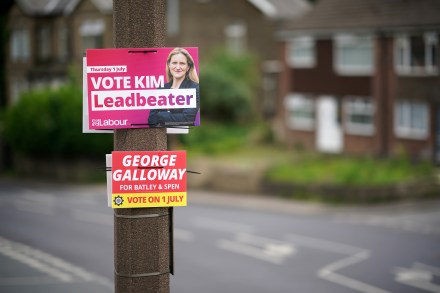
A bizarre flourish of tactics are on display in the run up to the Batley and Spen by-election. And are we already feeling the new Health Secretary's influence? To discuss, Fraser Nelson is joined by James Forsyth and Katy Balls.

Hancock out, Javid in

14 min listen

Matt Hancock has resigned as health secretary this evening following this week's scandal and his appointment has already been appointed, former chancellor Sajid Javid. Katy Balls is joined by Isabel Harman and Fraser Nelson to discuss this breaking news.

Is Hancock’s position under threat?

14 min listen

The Sun broke the news this morning that Health Secretary Matt Hancock has seemingly been up to some extra-marital exploits with his aide Gina Coladangelo, possibly breaking many of the Covid restrictions that he himself put in place. What will be the consequences of his hypocrisy? 'This simply demonstrates that we've been through a period where they decided to politicise things that should have never been in the political realm in the first place and that's why I think Matt Hancock is in more trouble than he would otherwise have been.' - Fraser Nelson Cindy Yu is joined by James Forsyth, Isabel Hardman and another special appearance from Fraser Nelson.

What’s the plan for planning reform?

13 min listen

With the Conservatives still taking stock after their loss in the recent by-election, it seems the governments ambitions for planning reform are now firmly under the microscope. 'When you speak to these MPs... they are absolutely convinced that planning reform is dead' - Katy Balls And on what would have been 'freedom day', there are reports that the powers at be don't think they'll have to extend restrictions again (we've heard that one before). 'If they don't hit July 19th they would have major political and I would suggest economic problems too because I think that would create a real loss of confidence about when the UK would ever re-open fully.' -  James ForsythIsabel Hardman is joined by James Forsyth and Katy Balls.

The new leviathan: the big state is back

48 min listen

It seems we are in a new President/Prime Minister alliance of big government spending, should we be excited or concerned? (00:44) Also on the podcast: Are the UK tabloids going woke? (15:00)? And in the wake of the pandemic are we ready to have a grown up conversation about death?(31:11)With Spectator Political Editor James Forsyth, Spectator Economics Editor Kate Andrews, former Editor of the Sun Kelvin MacKenzie, former Editor of the Observer Roger Alton, writer A.N. Wilson, science journalist Laura Spinney and Palliative Care Physician Kathryn Mannix and author of a With The End In Mind. Presented by William Moore.Produced by Cindy Yu, Natasha Feroze and Sam Russell.