Dr Roger Henderson

Dr Roger Henderson is a GP and health broadcaster

The myth of the middle-aged spread

From our UK edition

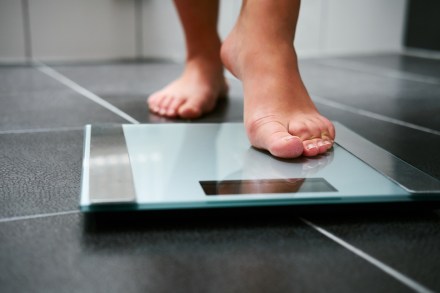
I plead guilty as charged m’lud. For the last four decades I have been telling patients who have been losing the battle with waistline spread that it’s their body's metabolism causing all the problems. This was conventionally believed to start to steadily slow year on year from the mid-30s onwards, meaning it became trickier to shift those stubborn pounds as time went by. It was also assumed that hormonal changes such as occur in pregnancy or the menopause further impacted on how quickly we burnt off calories, all adding to the struggle to keep weight off. Well, it now seems that, along with the rest of my medical colleagues, I was probably doing those patients a disservice.

The dos and don’ts of staying cool

From our UK edition

Britain isn't a country geared up to deal with extreme heat. We lack cool spaces to retreat to; our homes and gardens are often better suited to rainy winters than the hot, balmy summers we associate with the med. But with an extreme heat weather warning issued by the Met Office and with large parts of England and Wales being affected in the coming days, it's wise to take precautions. People vulnerable to extreme heat are likely to experience 'adverse health effects', while the rest of the population could suffer heat exhaustion and other heat-related illnesses that are not usually visited on these shores.

Is there a link between Asperger’s and genius?

From our UK edition

The world's richest man – who, beyond Tesla and Space X, is known for naming his first child X AEA-12 – generated more headlines this week, when he announced on the American television show Saturday Night Live that he has Asperger syndrome. ‘I know I sometimes say or post strange things, but that’s just how my brain works,' he explained. Asperger syndrome, first described in 1944 by the Austrian paediatrician Hans Asperger, is a lifelong condition that is part of the autistic spectrum. As a child, Hans Asperger appears to have exhibited some features of the very condition named after him, such as remoteness and talent in language.

Is the Oxford AstraZeneca vaccine safe? A doctor’s view

From our UK edition

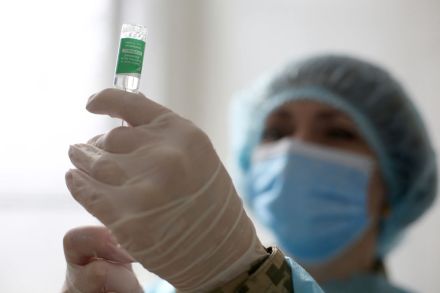
One of the few positives to have come out of the Covid-19 pandemic has been the remarkable speed at which vaccines have been developed and rolled out in months, rather than the many years that was the previous norm. Their effectiveness is being increasingly proved as more people are vaccinated, and they appear to be extremely well tolerated in terms of side effects.  In the UK at least, vaccine hesitancy does not appear to be as great a problem as was initially feared and no new potential side effects have been reported that were not already known about from the vaccine trial data.

What Gwyneth Paltrow gets wrong about long Covid

From our UK edition

As the Covid vaccination continues to roll out across the country with impressive speed and daily numbers of cases continue to steadily fall, the allure of the gradual release of lockdown restrictions into the sunlit uplands of something resembling a more normal existence grows stronger by the day. Unfortunately for many people – latest estimates suggest up to 200,000 in the UK – the long term effects of having been infected with the virus continue.

Covid-19: where to get tested

From our UK edition

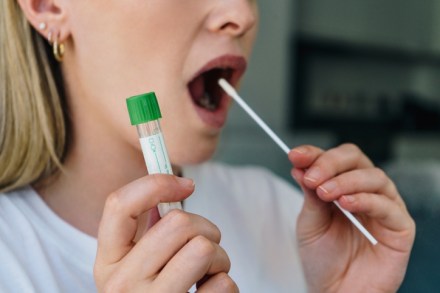
It remains the case that for most people free NHS tests are only available for those taking part in pilot schemes, who have been asked to have one by health professionals, or in people or families showing symptoms of the virus. This means that some people are now looking to private providers to get tested before seeing loved ones and although many such providers are offering tests for a fee now, how do you know which are high quality and which should be avoided? For a start, always look for a home test kit that is CE-marked as this shows it meets the European standards for medical testing and is also approved for sale in the UK – do not use any test without this approval mark.

How can the NHS speed up adoption of new technologies?

From our UK edition

The treatments provided by the National Health Service of 2020 would seem alien to the Nye Bevan of 1948, although the key principle of free healthcare to all at point of need remains intact. It is tempting to believe that the latest advances in technology are revolutionising healthcare both in the UK and around the globe, but the truth is far more prosaic. As someone who has worked as a doctor at the rock face of the NHS for 35 years, the view that it is a clunky, unwieldy and highly bureaucratic organisation that is chronically underfunded and often relies on the goodwill of dedicated staff to prevent it from failing can be difficult to argue against — and that’s before adding Covid-19 into the mix.

How to avoid catching coronavirus on the tube

From our UK edition

The epicentre of coronavirus – now more correctly called COVID-19 – remains in mainland China, and concerns about a global pandemic occurring have fortunately not been realised although in this fast-changing story this still remains a possibility in the coming weeks. The first death in Europe was recently reported in France, with nine documented cases in the UK. The advice from Public Health England if you have been in Wuhan or the Hubei Province in the last 14 days is that you should stay indoors and avoid contact with other people, like you would for flu, even if you do not have any symptoms. If you develop symptoms, call NHS 111 and inform them of your recent travel to the city.

Warts and verrucas go away by themselves. Here is how to survive them

From our UK edition

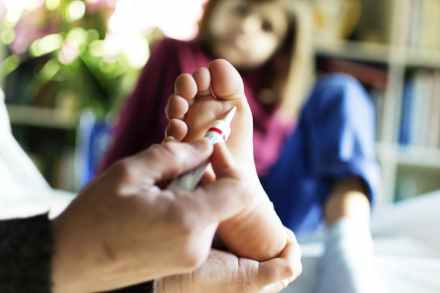
Being a family doctor is sometimes the least glamorous job in the world, dealing with the unpleasant, mundane and sometimes just downright boring health issues that exist. However, for the patients suffering from these problems, it’s a big deal and one of the typical common currencies of minor problem I see almost every day in my surgery is the issue of warts and verrucas. These are caused by a harmless viral infection in the skin called the human papilloma virus (HPV). HPV causes keratin, a hard protein in the top layer of the skin, to grow too much, giving the typical roughened texture of a wart. There are more than 60 different types of viruses known to cause warts.