Culture

Culture

Mitfordmania in Carla Kaplan’s Troublemaker

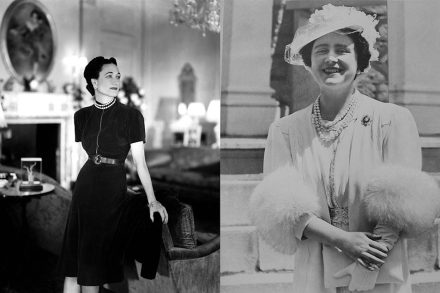
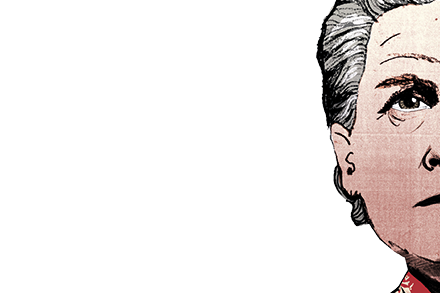
I won’t attempt to explain Mitfordmania; we’d be here all night. Suffice it to say that fascination with the British sisters – Nancy, Pamela, Diana, Unity, Jessica and Deborah, born to the 2nd Baron Redesdale between 1904 and 1920 – shows no sign of waning. This year alone, the six have inspired Outrageous, a lavish (and fatuous) multi-episode television drama available on BritBox; The Party Girls, a play by Amy Rosenthal; and Do Admit: The Mitford Sisters and Me, a graphic novel by cartoonist and fangirl Mimi Pond. Now comes biographer Carla Kaplan’s Troublemaker: The Fierce, Unruly Life of Jessica Mitford. I did wonder if there was anything left to say. Famous for the muckraking classic The American Way of Death, Jessica also wrote two well-received autobiographies.

mitfordmania troublemaker

Why are Lawrence Osborne’s novels suddenly popular in Hollywood?

The film Ballad of a Small Player opens with a blast of classical music, a shot of the Macau skyline and Lord Doyle (Colin Farrell) waking up in a hotel suite littered with Champagne bottles, cigarette butts and designer loafers that are starting to show their wear. While he dresses and shaves, a voice-over informs us he has three days to live. A sharp observer might notice he seems to have considerably less than that. Either way, for the next 100 minutes, director Edward Berger (All Quiet on the Western Front and Conclave) treats us to a sumptuous vision of one English con man’s final spree before oblivion. It will take an even sharper-eyed observer to catch, as the final credits snap past, that they have just watched an adaptation of a Lawrence Osborne novel.

Comic Con with a Shakespearean twist

Recently, when I shared that I would be attending New York Comic Con in cosplay, I was met with a mixture of applause and derision. Why would an art critic want to participate in such an activity, let alone write about it? To me the appeal was obvious, since cosplay stems from the same impetus to tell tales, share values and dazzle the spectator that can be found throughout thousands of years of artistic expression. The first comic book conventions, popularly known as “comic cons” or simply “cons,” began as get-togethers for comic book aficionados to share their love of illustrated popular storytelling. Over time, cons absorbed other genres and forms of entertainment to become major social events and trade fairs.

comic con