Television

How I fell out of love with the BBC

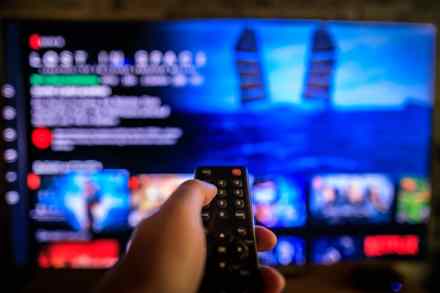
One of the many technological things I don’t understand is, how come I’m paying to watch television? I know why I used to pay. I used to switch on a box in the corner of the room and marvel at the choice of three quite interesting programmes and something slightly racy on Channel 4. It was all reassuringly underwhelming, with everyone doing as well as could be expected given the circumstances. The cardboard sets on a lot of the shows wobbled and we were happier for it, one could argue. There was an obvious balance of earnestly attempted light entertainment and archly presented informative content and I for one didn’t mind paying a fee to the BBC for this arrangement because the BBC was providing precisely 50 per cent of it.

Why the BBC licence fee makes sense

A consensus seems to be forming that the BBC licence fee is for the chop. In a digital age, the reasoning goes, we should not be forced to subscribe to huge bundles of content, with no choice over what we pay for and what we don’t. This argument, intriguingly, is both true and false at the same time. It is worth remarking that Netflix and Spotify succeeded by adopting a very similar model to, er, the BBC What’s true is that technology has removed two constraints which made the licence fee necessary in the first place. At the BBC’s outset, the airwaves were limited, creating a monopoly. Moreover it was impossible to charge for specific content: anyone with a wireless set could freely enjoy anything on air. Other than advertising, a licence was the only option.