Virginia woolf

The novels that became instant classics

In the world of books, a modern classic is an altogether more slippery thing than a classic: it must walk a line between freshness and durability; reflect the current age but hope to outlast it. For individual publishers, given many 20th-century writers are still in copyright, a modern classics list will necessarily be partial. However, few such partial lists are as complete as Penguin Modern Classics (PMCs), founded in 1961 four years after Penguin’s general editor A.S.B. Glover said: ‘We don’t want — without outstandingly good reasons — to start any new series such as “Modern Classics”.

How two literary magazines boosted morale during the Blitz

William Loxley’s lively account of ‘Bloomsbury, the Blitz and Horizon magazine’ begins with W.H. Auden and Christopher Isherwood emigrating to the United States in January 1939 and ends with George Orwell dying in University College Hospital in January 1950. Between these two events Loxley explores the often interconnected professional and personal lives of a number of British writers, publishers and editors — principally Orwell, Leonard and Virginia Woolf, Cyril Connolly, Stephen Spender, John Lehmann and Dylan Thomas — during the second world war and its immediate aftermath.

The stuff of everyday life: Real Estate, by Deborah Levy, reviewed

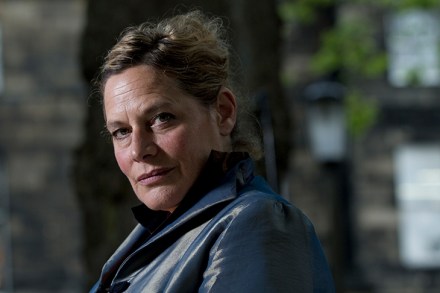
Real Estate is the third and concluding volume of Deborah Levy’s ground-breaking ‘Living Autobiography’. Fans of Levy’s alluring, highly allusive fiction will appreciate the insights into her life; moreover, anyone with an ounce of curiosity will be fascinated by her compelling tour of city streets, island rocks and meandering diversions into ideas from a wealth of writers and artists. We begin the book with the author buying a plant from a flower stall. (Our modern-day Mrs Dalloway purchases a banana tree in Shoreditch rather than cut flowers in Westminster.

Seldom less than gripping: Banged Up podcast reviewed

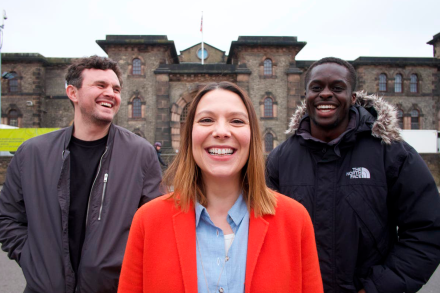
Prison-based podcast Banged Up, now in its second series, is far more uplifting — and less soapy — than its name suggests. It begins with the tacit assumption that, if you haven’t personally been incarcerated, you probably have at least a dozen questions you’d want to ask someone who had. Is the food really awful? How likely are you to be beaten up? Is there a lending library? (I’d start with the last.) Banged Up has the answers to plenty more besides. The podcast is hosted by a prison lawyer named Claire Salama and two ex-inmates, a former footballer, Mike Boateng, known as ‘Boats’, and university-educated Rob Morrison, who describes himself as ‘probably not their [prisons’] target market’.