Labour

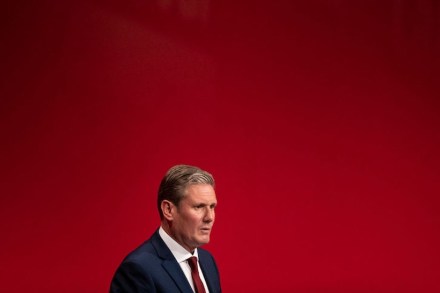
Keir Starmer makes it onto the Labour leadership ballot: who else will join him?

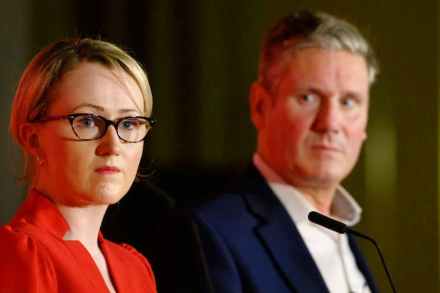
Keir Starmer has made it through to the final round of the Labour leadership contest, having secured the backing of shop workers' union Usdaw. The party's rules state that a candidate needs to get the backing of three affiliated organisations, of which two must be trade unions (or the nomination of at least 33 constituency Labour parties), and along with the earlier backing of Unison and Labour's Environment Campaign SERA, Starmer has made it. Usdaw also nominated Angela Rayner for the deputy leadership, and she is now also through to the final round of her contest. This is a big week for nominations from affiliates, with both the GMB and Unite unions holding hustings with the candidates on Tuesday and Friday respectively.

Inside the Labour leadership campaigns: who is running the show?

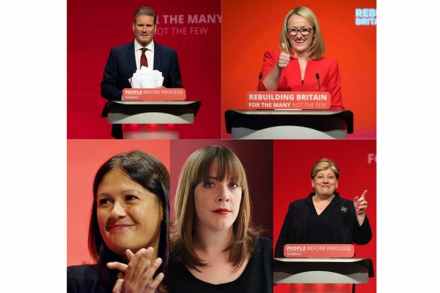
Now that the second phase of the Labour leadership contest is underway, the five candidates are finalising their campaign teams. Some of them, of course, have had some kind of infrastructure running for a good long while before the December election was even called. Others are just announcing their big hires and co-chairs now. Here's who is working on each campaign, and what the line-up says about the pitch their candidate is making. Keir Starmer Jenny Chapman is the chair. She is the former MP for Darlington, in a nod to the importance of winning back seats Labour had formerly considered its heartlands. Her analysis of the election result is that Labour only pitched to 'about a third of the electorate and those people that live in cities who are fairly well-off people'.

How would Labour’s proposed tax grab affect your home?

At first glance you could be forgiven for thinking that Labour’s publication ‘Land for the Many’ is a set of policy ideas that solves the housing crisis. Increasing the supply of affordable housing and freeing up land to build, improving access to existing stock and transparency sounds fair, right? Yet tucked away inside the report, you’ll find a range of measures that could pull the market as we know it to pieces; it’s the most radical sets of property proposals since the mass building plan after the Second World War. The report’s editor, George Monbiot, has not thought through the unintended consequences of the proposals. Just one example and perhaps the most damaging is the desire to reduce land prices.

Greece is the word for Paul Mason and Labour

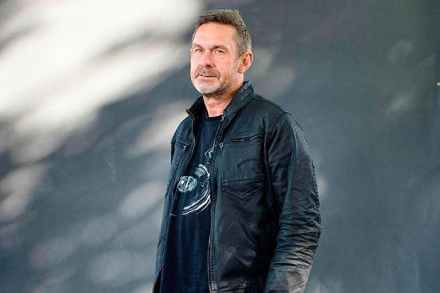
When Paul Mason was covertly recorded by the Sun newspaper divulging his private view that Jeremy Corbyn does not appeal to the working classes, there wasn’t much surprise in the Labour leader’s office. The relationship between Corbyn and his celebrity guru has always been complex. Kremlinologists point to a meeting of Corbyn’s closest comrades earlier this year at Esher Place, a £6 million, Grade II country house in Surrey owned by Unite. The guest list was a who’s who of the hard left: John McDonnell, Diane Abbott, Len McCluskey, Labour strategy chief Seumas Milne and Momentum boss Jon Lansman were all in attendance. Corbyn had also invited Mason to join this star chamber.

Labour’s next great battle

In February, a member of John McDonnell’s team accidentally forwarded his diary to a Labour party colleague. The errant email has been a source of gossip among Corbynistas ever since. Among the mundane schedule of meetings were a series of slots allocated for something rather out of the ordinary: ‘Transition planning.’ McDonnell’s aides swear up and down that these meetings are nothing untoward and warn against ‘putting two and two together and coming up with a million’. But the fact that it even raised eyebrows is telling.