We’ve already given up on novels
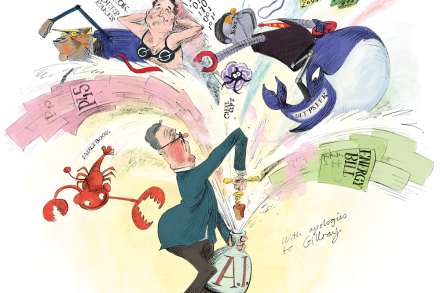
Late last year, I was notified that one or more of my novels might have been fed to an Anthropic large language model, because in a class-action suit the company had reached a copyright settlement with authors who’d never given an AI Goliath permission to gorge on their work. Sure enough, a website verified that 11 of my books had been used as silage for this insatiable digital leviathan. Each of the LLM’s tasty Shriver mouthfuls may merit compensation of about $3,000. But before I take out a loan against that $33,000 sure thing to buy myself a Chinese EV, I should read the fine print: ‘court-approved costs and fees’ will be deducted, meaning I may garner funds sufficient to buy a whole new packet of extra-fine felt-tips. Fees or no, this is chump change for Anthropic.