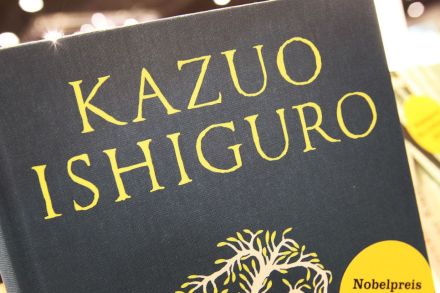
Kazuo Ishiguro’s craft: five novels worth reading
From our UK edition
When Kazuo Ishiguro first appeared on the literary scene in the 1980s, his work was often described using terms such as 'exquisite', 'refined' and 'understated'. The supposedly Japanese sensibility of this Surrey-raised writer was on full display in his fine second novel An Artist of the Floating World (1986), narrated by a retired artist called Masuji Ono. What was less clear to English critics, perhaps, was that Ishiguro’s Japan was the imagined one of his grandparents—alongside traces of filmmaker Yasujirō Ozu’s family dramas—rather than one strictly drawn from observation. This novel’s formal perfection also disguised a much darker tale of the artist’s complicity with wartime fascism.