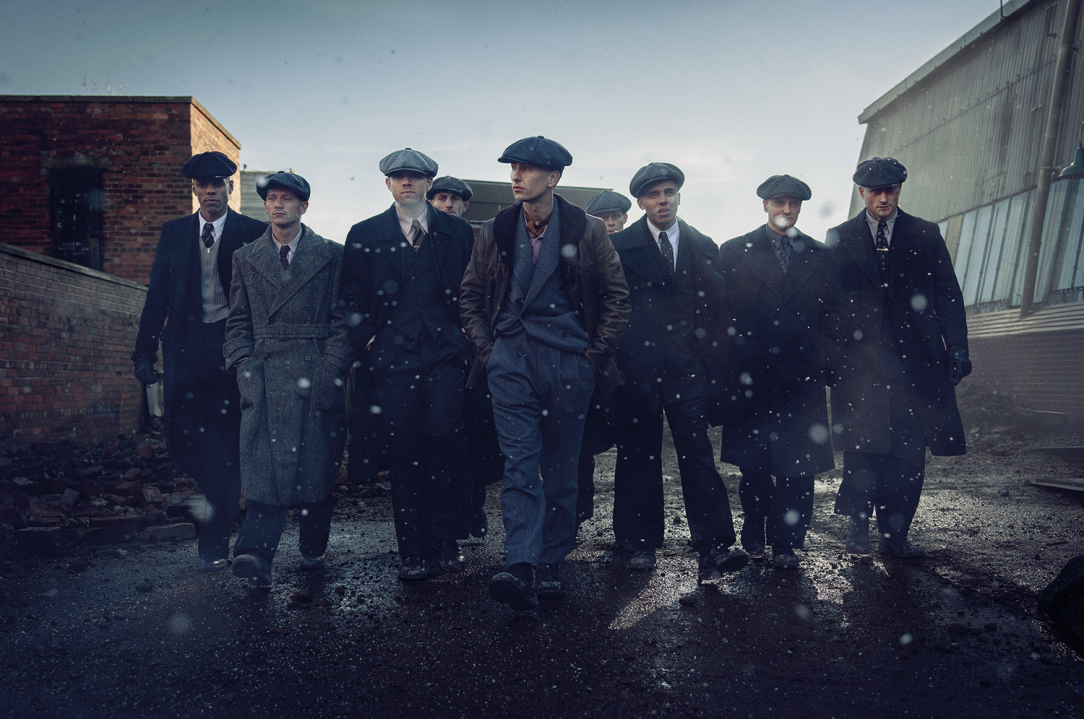
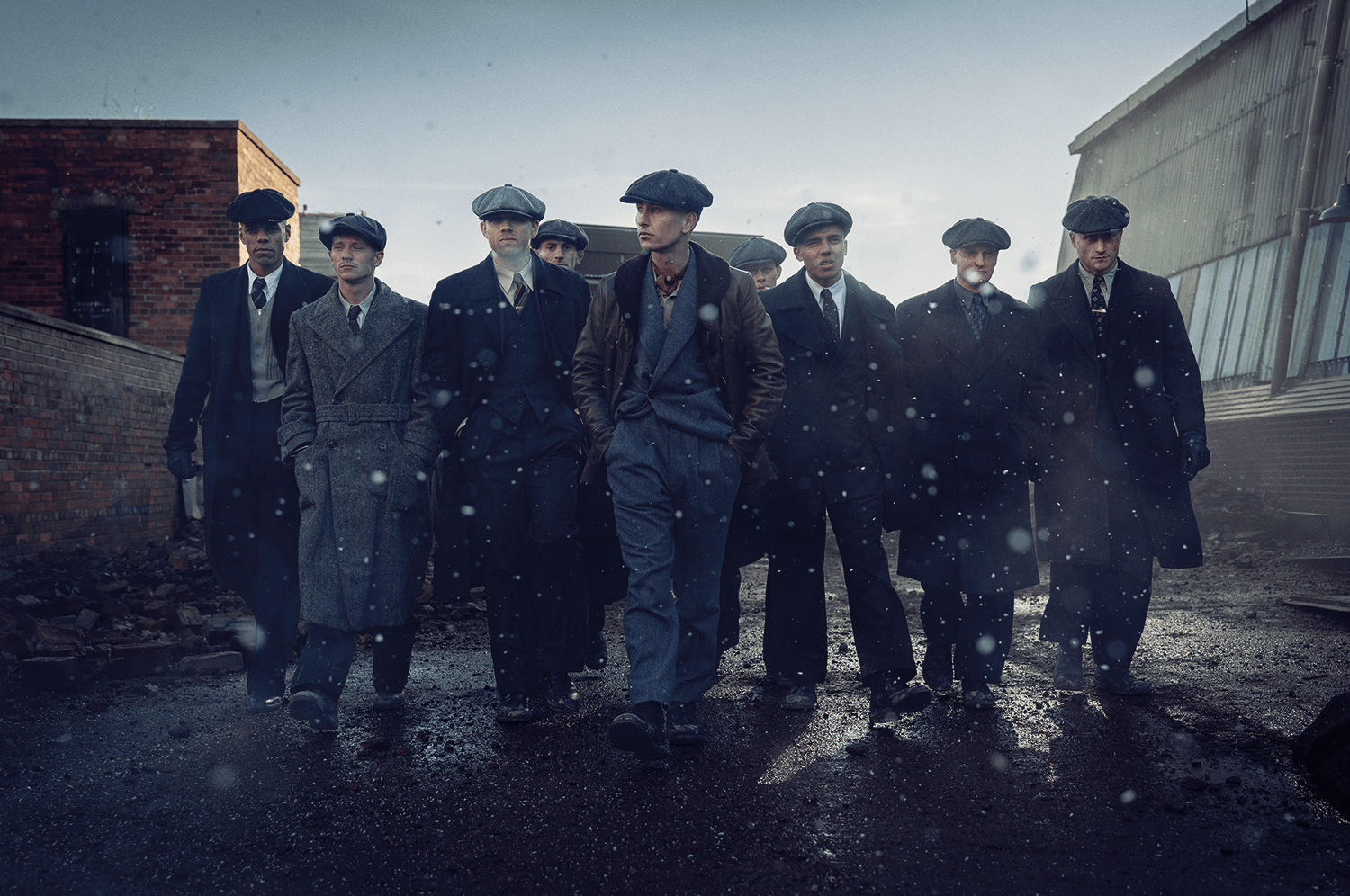
Peaky Blinders: The Immortal Man is the film that fans of the television show have long been waiting for, so I must watch what I say. The story follows a group of exceptionally violent Birmingham gangsters operating between the wars and if you see it at the cinema you’ll hear a message before the opening credits. It’s Cillian Murphy imploring audiences not to give away any spoilers and ruin it for everyone else “by order of the Peaky Blinders!” There will be no spoilers here today. I have no wish to get my face slashed. Although I’ve dipped in and out of Peaky Blinders down the years, I’ve never stuck with it and am not steeped in its lore – I can’t stomach all those beatings even if they are highly stylized and set to cool rock music; my fault! But while fans will certainly get more from it, the film won’t confuse those coming to it new. The plot is, in fact, straightforward. Some might even say that it doesn’t add up to much more than a middling crime thriller. But that’s not what I would say, obviously. I’m just putting it out there. Don’t break my fingers.
Gang leader Tommy Shelby (Murphy) – who has always been a haunted character – has forsaken the Peaky Blinders for self-imposed exile. He’s holed up in some grand, misty mansion where he is “alone but not alone” as he sees the dead. (Their spirits, anyway.) He is visited by Kaulo (Rebecca Ferguson), a Romani fortune teller and the twin sister of Zelda, by whom he had his illegitimate first-born son Duke. Duke is now leading the Peaky Blinders and, as Zelda tells him: “He is worse than you were, Tommy.” Tommy is impervious to her pleas to return to Birmingham, until the murder of a beloved family member – and while I could say who this is, I won’t. They’d set fire to you for that.
Duke (Barry Keoghan) is out of control. It’s World War Two and there’s a Nazi conspiracy to flood Britain with counterfeit money to bring the economy to its knees. And Duke’s decided to throw in his lot with the Germans and the British Union of Fascists. He lacks his father’s moral code and has daddy issues aplenty. I did briefly wonder why Tommy has been so absent in his life when he does everything in the name of “family.” But who am I to judge? When Tommy returns, the pair initially fight it out in what might be cinema’s best ever fight, which involves them both rolling around in pig shit. But the question is: where do Duke’s loyalties truly lie?
The film is literate, well-paced and has a confident swagger, with plenty of memorable moments for the fans, including a scene where some chump down the Garrison pub doesn’t know who Tommy is and opts to challenge him. (Don’t try this next time you’re down the Garrison, unless you want to be sent on your way with a live grenade in your inside pocket.) Murphy brings a mesmerizing stillness to Tommy, who is ruthless but has soul, and longs for peace amid all the chaos he creates. That’s the other question: will Tommy ever find peace?
While it could be argued that the narrative isn’t particularly sophisticated (Nazis, father-son issues, etc.) and some might see the ending coming a mile off, I am not about to argue that myself – and would never argue that myself.





Comments