King Charles III’s state visit to Washington this week is the monarchy executing its core diplomatic function with precision and dignity. In Donald Trump’s Washington, an invitation to an event with the British monarch remains the most sought-after in the city. By stark contrast, the King’s son and daughter-in-law careen around the globe representing no one but themselves. They dress up as royals in a sustained exercise in self-promotion and profiteering that repels observers and belittles the very institution that gave them their platform. One upholds the Crown’s purpose, while the other commodifies it.
The Sussexes’ grift cheapens the Crown’s reputation and insults the public’s intelligence
The King and Queen travel as invited guests of the US government. President Trump will receive them at the White House. A state dinner follows. The King will address a joint session of Congress – the first British monarch to do so since his mother in 1991. There will be a military review and engagements marking the 250th anniversary of American independence. Every element has been arranged through official channels. Buckingham Palace has published the itinerary. The Foreign Office has underwritten the diplomatic framework. The visit projects British soft power and will act as a balm to a relationship strained by politics. This is the modus operandi of the King and Queen and the working royals, who discharge their obligations with no expectation of personal reward.
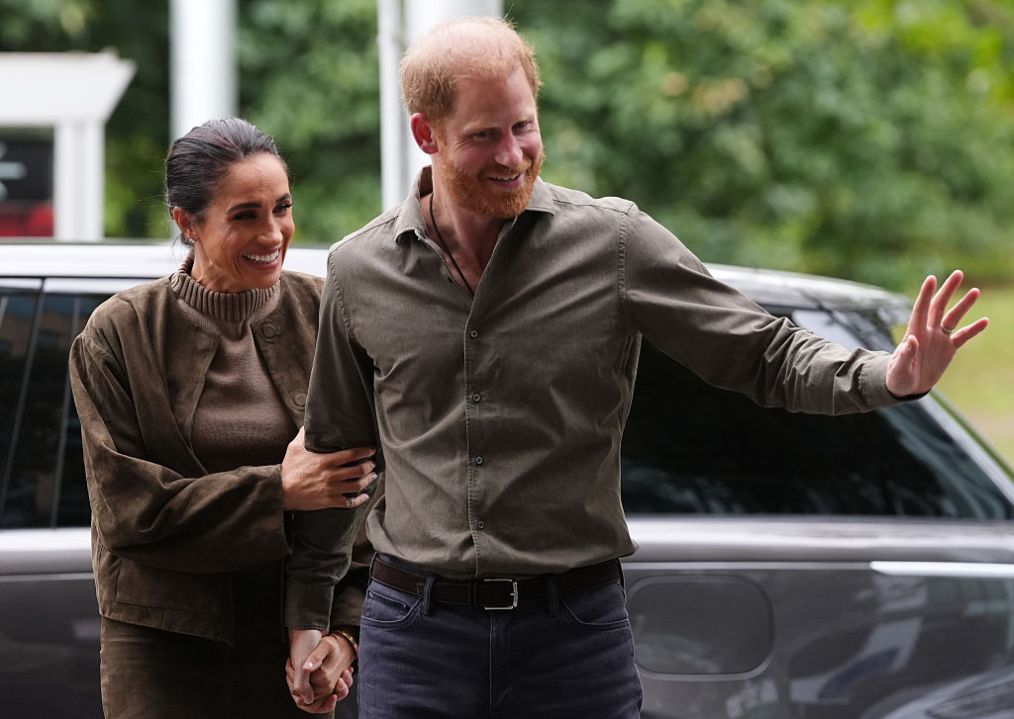
Harry and Meghan prefer pantomime. Their recent tour of Australia replicated the pattern set in Nigeria and Colombia last year: private invitations, curated panels, hospital visits and cultural events staged to mimic royal tours. No state banquet. No parliamentary address. No military honors extended as sovereign courtesy. They retain the titles and parade about as if still in service to something other than themselves. The choreography flatters their hosts and sustains their brand. It achieves nothing for Britain.
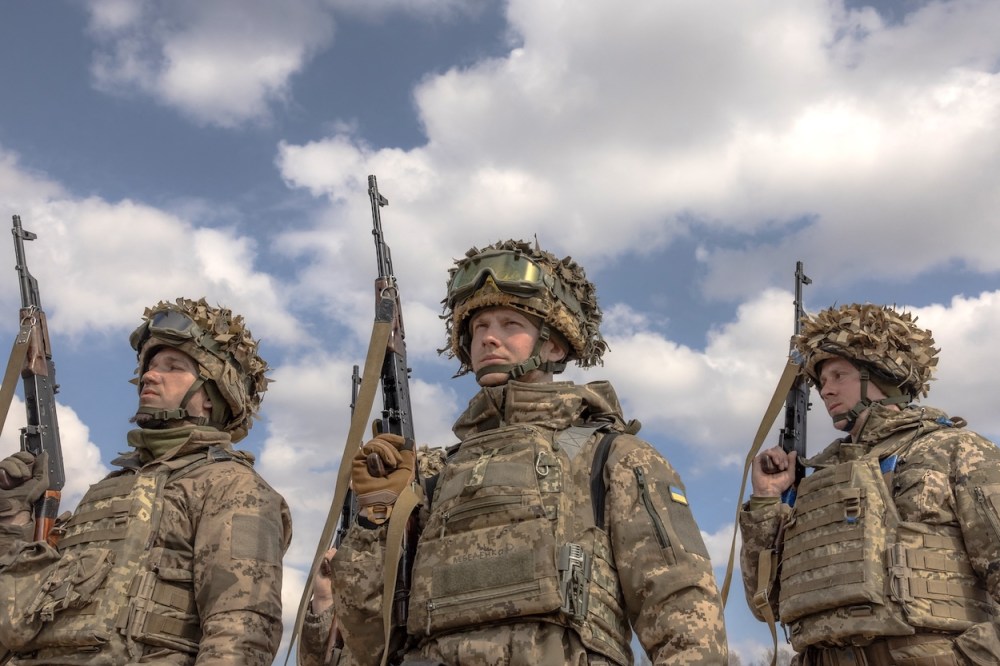
The timing could scarcely be more provocative. As the King prepares for this delicate state visit to Washington, Harry chooses this moment – during a drop-in visit to Ukraine – to lecture President Trump on the need for America to “step up” and to urge Vladimir Putin to “choose a different course.” Harry holds no office, no mandate and no accountability to any government or public. His assumption of authority on war and peace is not leadership; it is an exercise in self-promotion that crowds out serious diplomacy. One cannot renounce royal obligations, cling to the titles for commercial advantage and then adopt the pose of global statesman whenever it suits. This is the very definition of a grift. It cheapens the Crown’s reputation and insults the public’s intelligence. The present arrangement of privilege without responsibility has grown intolerable.
The Palace has indulged the pretense long enough. The monarchy commands respect because it is peerless and accountable. Parallel versions that answer only to sponsors and personal agendas merely expose their own purposelessness.
At home, the distinction is equally stark. Britain’s government has spent two years eroding the country’s standing with empty gestures and U-turns. President Trump has been candid about his view of Keir Starmer. Liberal Democrat leader Ed Davey and Labour’s Emily Thornberry had called for the state visit to be canceled, fretting that Trump might prove awkward. Their presumption reveals more about them than about the King. The monarchy exists to transcend the short-term calculations of politicians. It is not theirs to veto. Presidents and prime ministers come and go – many wish Britain’s current occupant would accelerate the process – yet the Crown endures. That continuity is its strength. The King’s decision to proceed demonstrates the judgment absent elsewhere.
Successful diplomacy is measured in decades, not headlines. This visit honors a shared history that predates the present strain between Downing Street and the White House. Britain and America remain kin who have stood together in greater trials than this. The Sussexes offer the opposite model: the optics of royalty stripped of its restraint. Their tours generate attention only because the authentic monarchy, to which they are still linked, commands it. Every stage-managed engagement erodes that inheritance a little further.
Trump has already indicated the warmth the royal visit will receive. The contrast with the Prime Minister’s standing in his eyes could hardly be more pointed. The truth is that Britain’s reputation as a valued, trusted partner has been shaken by its government. The monarchy is now the instrument of restoration.
Harry and Meghan, though inconsequential, will doubtless continue their pantomimes elsewhere, chasing the next invitation, the next sponsor, the next carefully lit stage. In defiance of the late Queen’s wishes, they trade on royal associations for recognition and commercial benefit. The King’s visit to Washington will remind anyone paying attention what truly matters. The imitation, however expensively packaged, remains precisely that.





Comments