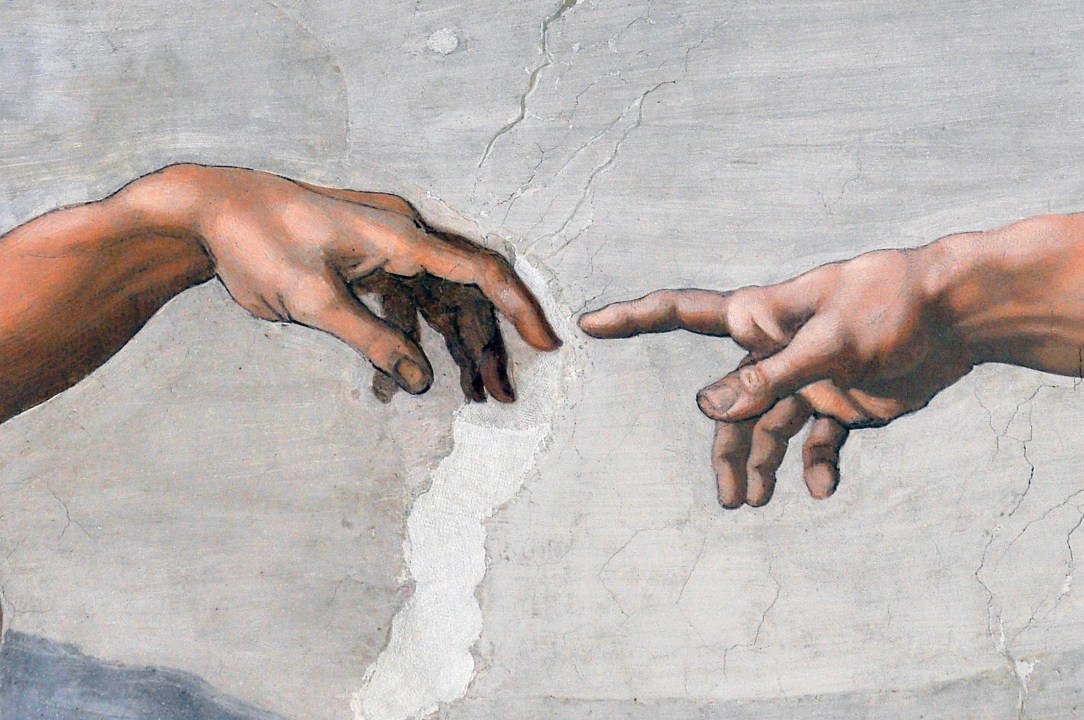
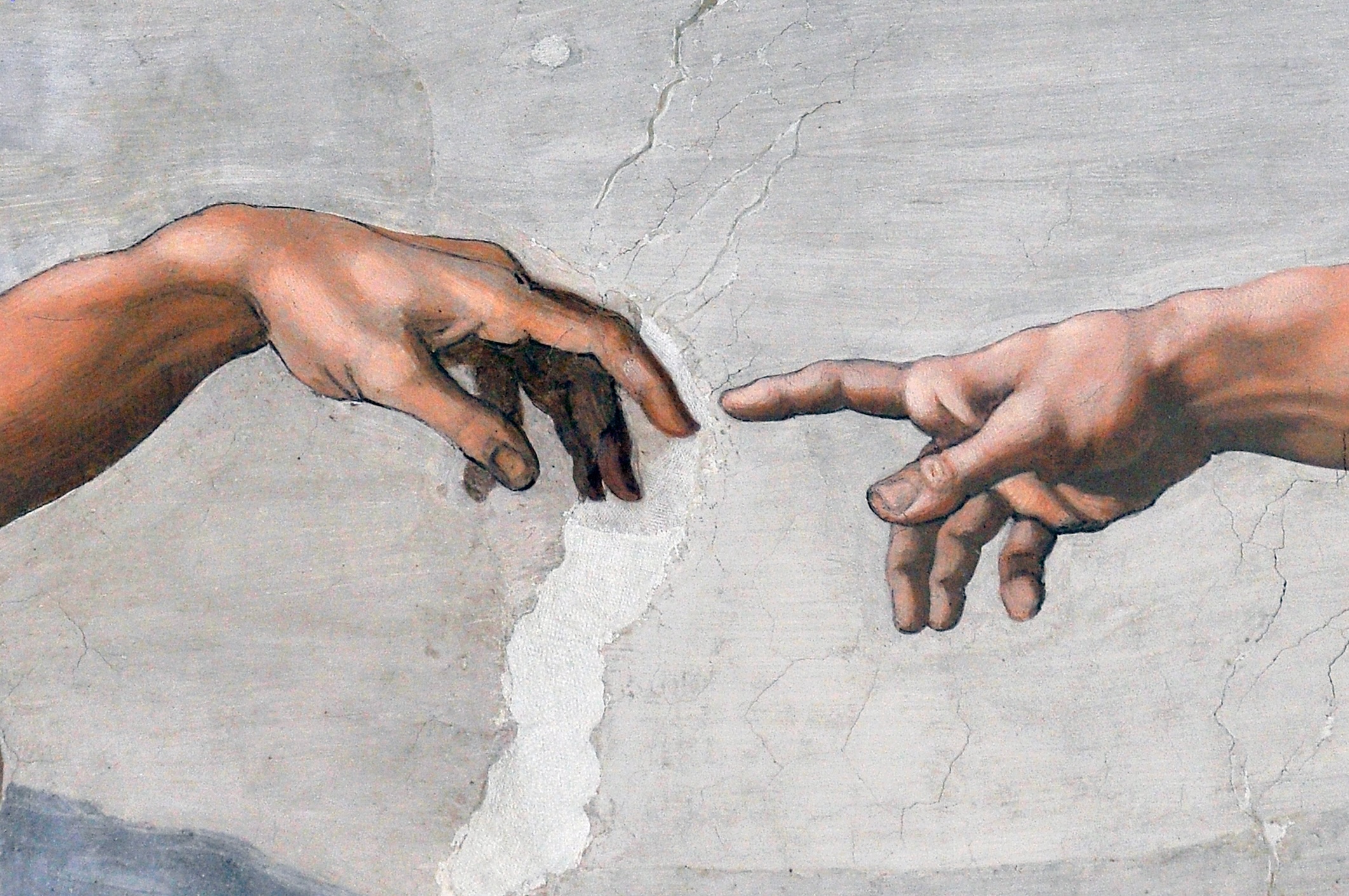
When we think of the Renaissance, our minds naturally drift to figures such as Leonardo da Vinci and Michelangelo – and rightly so. These are individuals who transformed our understanding of art, science and human potential. What we tend not to consider, however, is how close we might be to another cultural revolution.

That is the argument now circulating on parts of the internet: that after a prolonged period of digital saturation – defined by algorithms, passive consumption and an overabundance of content – we are approaching a point of correction. Just as the original Renaissance followed a period of stagnation and upheaval, this new phase will be marked by a renewed emphasis on creativity, craft and intellectual depth. While the forces driving this are different – artificial intelligence, algorithmic curation and the architecture of the internet – there is a cyclical quality to these moments of renewal.
Even our contemporary politics have parables with that of 17th-century England. No shortage of commentators have compared Keir Starmer to Oliver Cromwell. I have previously, in turn, drawn a comparison between Nigel Farage and Cromwell’s successor, Charles II, the so-called Merry Monarch. It was Cromwell’s puritanism, after all, that helped create the conditions for the Restoration.
Other examples abound. The gaiety of the ‘swinging sixties’ followed decades of war and rationing, while the relative exuberance of Edwardian England emerged after the moral rigidity of the Victorian era. But why should periods of stagnation or excess produce renewal at all?
One answer is that, over time, dominant forms of life begin to exhaust themselves. What once felt new becomes predictable; what once expanded possibility begins to limit it. In such moments, creativity often emerges not from invention alone, but from rediscovery. Old forms, once discarded, acquire new meaning precisely because they offer contrast. Take reports of an upswing in young Christians, for example.
On the surface, none of this is especially new. Periods of rapid change have often produced counter-movements that look backwards to move forwards. What makes the present moment different is not the instinct itself to look back, but the conditions that have produced it.
Where earlier periods were often shaped by scarcity, ours is defined by excess: excessive curation, excessive connection and excessive choice. When everything is available, instantly and endlessly, value becomes harder to define. We are now seeing the consequences play out among Generation Z: those born between 1997 and 2012.
My first encounter with this weariness came in the form of my Gen Z brother’s ‘dumb phone’. It looked like something from the late 1990s. Think back to your old Nokia, if you had one. The appeal of these devices lies in their simplicity: no apps, no internet and, perhaps most importantly now, no AI.
As unfathomable as it was to me that young people could be so disinterested in phones – I remember being teased for having an LG in my adolescence – an increasing number of Gen Zs are pushing back against the technology status quo.
One report found that sales of such handsets rose by 76 per cent between 2022 and 2023, while nearly three in five under-30s say they want to reduce their screen time.
Where earlier periods were often shaped by scarcity, ours is defined by excess: excessive curation, excessive connection and excessive choice
The trend has found its way online. TikTok influencers now extol the virtues of dumb phones to audiences who discover them, paradoxically, via the very devices they are being encouraged to abandon. For millennials, getting the latest iPhone was once a marker of status. Increasingly, it risks looking faintly passé.
The instinct is not confined to technology. Spend any time in ‘trendier’ parts of London and you will find vintage shops doing brisk trade. Much of this change is, again, driven by Gen Z: research from Boston Consulting Group and resale site Vestiaire found that this demographic is most likely to buy and sell second-hand items. Depop, one of the most popular resale platforms, says that 90 per cent of its active users are under the age of 26.
As demand for vintage clothes has grown, it has begun to shape the design of new clothes themselves. High street and mid-market brands now routinely produce garments that mimic the pre-loved look by utilising pre-faded fabrics and oversized cuts. Whether this will endure is another question.
Much like the flared jean, physical books appear to be making a comeback among Gen Z as well. However, the picture is not entirely straightforward. Post-pandemic, book sales in the UK have been on the rise. Walk into any bookshop and it is hard not to notice an increasing number of twenty-somethings browsing fiction shelves, paperbacks in hand, seeking escape from the screens that have been in front of them since birth. But the revival comes with caveats. While fiction continues to perform strongly, non-fiction has begun to lag behind, displaced, by the rise of podcasts and long-form audio, which now – to some – serve much the same purpose once occupied by serious reading.
Taken together, these Gen Z habits look less like a series of passing trends and like something more culturally significant. Whether this amounts to anything as grand as a new Renaissance remains to be seen. But the underlying conditions are difficult to ignore. A generation raised in a world of infinite access is developing a different relationship with technology than those that came before it. The opportunity for constant connection used to mean freedom and independence. Now, real freedom may lie in the ability to step away from it.





Comments