Surrealism

Internet users are the new surrealists, and they keep changing the world

As 2021 continues to progress at a dizzying rate, one of the recurring social phenomenon we’re seeing is the surreal eruption of online activism in the real world. From the recent explosion of GameStop share prices – hiked up by amateur investors co-ordinating online – to the large-scale protests and riots in Washington following the 2020 Presidential election, the communities in cyberspace continue to spill out into the real world. The question is: why are these kinds of actions becoming an increasingly unsettling occurrence in the usual running of society? In the lexicon of web-design, the term UX, user experience, is often used to describe how an individual may interact with a product, specifically a webpage.

A high-end car-boot sale of the unconscious: Colnaghi’s Dreamsongs reviewed

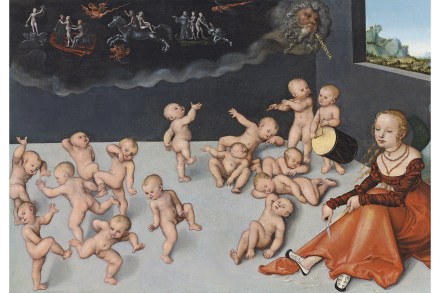
In 1772 the 15-year-old Mozart wrote a one-act opera set, like The Magic Flute, in a dream world. Il sogno di Scipione was based on an account in Cicero’s Republic of a dream experienced by the Roman general Scipio Aemilianus while serving in North Africa in 148 BC. In the dream the younger Scipio is visited by his adoptive grandfather Scipio Africanus, who foretells his destruction of Carthage, dishes out advice on dealing with populist politics and shows him ‘the stars such as we have never seen them from this earth’. Scipio’s is a recurring dream: it inspired Dante’s vision of Heaven and Hell and it returns to haunt us in Colnaghi’s latest exhibition Dreamsongs.