Green energy

Forget trains: American car culture is worth defending

From our US edition

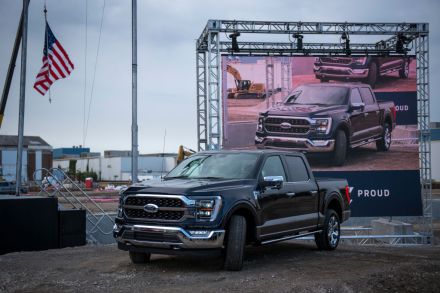
Had Amtrak come to a screeching halt this week, as it was on the verge of doing, most Americans would not have noticed. Of those workers who still commute to in-person jobs, 76 percent drive their own cars, 10 percent ride a bike, and only 11 percent use public transportation. Other countries tend to give us a bad rap for our car-loving ways. Most of us — nine in 10 Americans over the age of 16 — drive. And we drive a lot: 59 minutes and 30 miles a day, on average. We’re on the road twice as much as our friends in France, Germany, and Great Britain. So when non-American critics blame climate change on our driving habits, I can’t help but think they’re just plain jealous. Here’s the thing about America: it’s huge. That means people can spread out, and we have.
The revenge of the analog economy

From our US edition

The last few decades have seen the emergence of two rival economies: an older analog one built on the actual production of goods, and another that profits from financial transactions, images and customer surveillance. The contest between the two has been rather one-sided, with the “laptop economy” the big winner, particularly during the pandemic. But while lockdowns made this one-sidedness clear, recent developments have been an unwelcome reminder that the pain suffered in the analog economy still matters. Whether through inflation, energy shortages or supply chain issues, we are getting an uncomfortable lesson in the enduring relevance of the material world. Sadly, the needs of the analog economy aren’t taken seriously enough in Washington.

fracking

Democrats pick a bad time to punish the energy industry

From our US edition

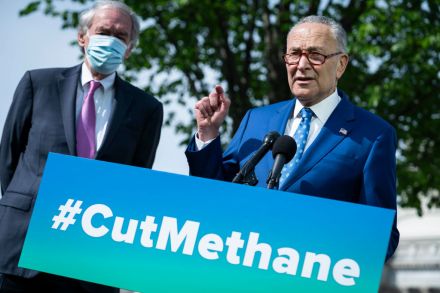
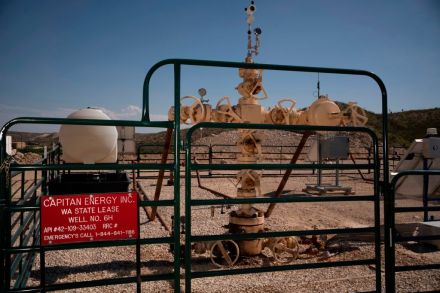
With its new Inflation Reduction Act (IRA), the government is pulling one of those infomercial tricks where they throw in a third bottle of OxiClean ABSOLUTELY FREE! Acting as if the cost of everything hasn’t already been calculated and passed onto the consumer. The IRA, you see, contains a “Methane Emissions Charge” that will impose a $900-a-ton tax on oil and gas producers that will increase to $1,500 after two years. The left is patting itself on the back for their valiant work to cut greenhouse gas emissions drastically by 2030. But here’s the thing: the energy industry is already working hard to cut emissions; it’s in their interest to do so. And when the government fines them for not capturing enough methane, guess who gets to foot the bill?

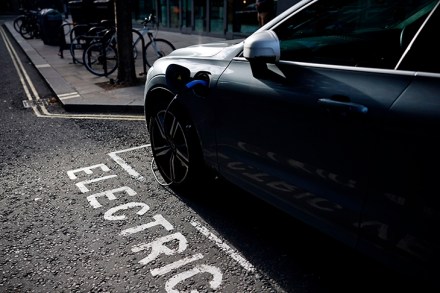
Why you no longer need a driveway to go electric

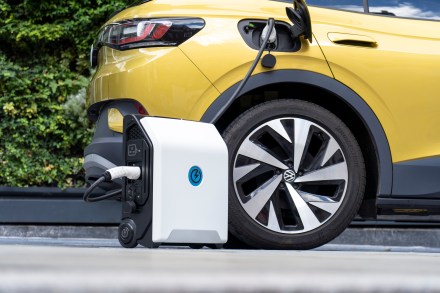
Entrepreneur Jonathan Carrier reckons more people would drive electric cars if they had portable chargers in their boots. The electrical equivalent of a can of petrol. So he's launching one. Called the ZipCharge Go, he claims it’s a design world first. There are portable battery packs that work with electric cars. Generally, these are designed for giant American recreational vehicles, some of which have their own solar panels, and if you search YouTube you’ll come across allegedly comic videos of people recharging moribund Teslas with petrol generators, but the Go has been designed from the off to charge vehicles, and has the necessary software to pair up with them.

Biden cracks down even on green energy

From our US edition

We know that government’s knack for finding something wrong with everything rivals even the most stereotypical mother-in-law. But the relentless fault-finding’s latest victim may surprise you: federal prosecutors have fined a green energy company $8 million and slapped on a five-year probation period after bald and golden eagles died on its wind farms. There is now no such thing as “clean energy.” Even so-called “green energy” is tinged with the blood of birds. Just when you thought the war on energy couldn’t get any more ridiculous, Joe Biden's Department of Justice has sucker-punched one of its own golden boys.

Going out on a fossil fuel bender

From our US edition

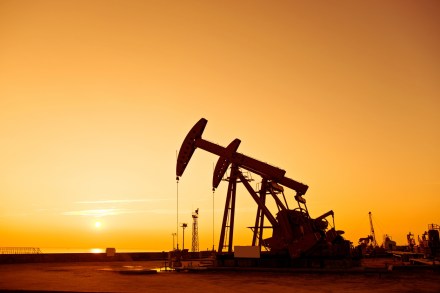
Covid rates are abating just in time for surging gas prices to eclipse the pandemic as our crisis du jour, and people from both sides of the political aisle are crying out in unison: something must be done! The current energy crisis debate consists of a few camps: one group professes that they can’t abide fossil fuels being used at all, while another can’t imagine living without them. The third group makes up the middle of the Venn diagram, and though a paradoxical state of mind, it contains the most members. Choosing a winner from among the prevailing arguments is no simple task.

oil

What the Formula E ‘catastrophe’ teaches us about electric cars

I didn’t make it down to Valencia, Spain, for the weekend Formula E electric car grand prix. Long trips are more or less out of the question now in my Kona electric car, since Hyundai crippled the range of the battery pack to stop the car from bursting into flames. Not that I missed much. On the first day five teams were disqualified for having consumed too much energy, three cars came to a stop on the track, and others limped to the finish as best they could. Formula E superstar Jean-Éric Vergne completed the last lap at an average speed of just under 20 mph. Slower than my horse. On Sunday, the Grande Finale, most of those who had finally qualified ran out of battery charge without finishing.

The good news on climate

As I watch the snow blow past my window, it’s hard not to scoff at the idea of a ‘climate emergency’. However, I’m probably in a minority. The idea that we are currently experiencing a dangerous deterioration in our weather has been pushed so hard, and for so long, that the man in the Clapham Uber is now thoroughly convinced. Those of us who have the time and inclination to look at the evidence for such claims, on the other hand, realise that they are largely overblown. The Global Warming Policy Foundation, where I work, has just published a review of the impacts of climate change and it’s a valuable antidote to the relentless alarmism pushed by some academics.

Green energy is a Dot-com bust waiting to happen

Scottish Widows is committed to net zero alright. For years, the endowment policy I had with it was worth pretty well just what I had paid into it. Although, on second thoughts, maybe Maria Nazarova-Doyle, head of pension investments at Scottish Widows, wasn’t referring to the returns on its policies when she said this week: 'Moving to net zero will protect savings against climate-related risks and uncertainty and offer longer-term sustainable growth by accessing low-carbon transition opportunities.' The firm says that as an interim target it wants to halve the emissions from its share portfolio by 2030. What exactly it means by this isn’t clear.

The Co-op Bank isn’t worthy of its name

We’ve heard a lot this week about infrastructure spending, and how much more will be needed if the UK is to achieve the ‘Green Industrial Revolution’ that the Prime Minister seems to have sketched on the back of a pizza box. We’ve also heard that the Chancellor is looking at ways to squeeze billions for Treasury coffers out of the private pension sector. What we haven’t heard so far is a plan to join those two pieces of the economic jigsaw — by encouraging pension managers to become committed investors in infrastructure projects.

Denial is not a strategy, Prime Minister

The psychodrama in No. 10 is badly timed. The government has used emergency powers to ban meetings, church services and even family visits. A million jobs have gone since the first lockdown, with at least a million more to follow when the furlough money runs out. Children’s education was so badly set back by school closures that there are calls to cancel summer exams because pupils won’t be ready. Millions are facing financial ruin. A country looks to its Prime Minister for leadership. Yet the big announcement, made on the eve of the Brexit deal Boris Johnson was elected to deliver, is that he will ban the sale of new petrol cars by the end of the decade and hybrids five years later.

Now the Tories must make it their mission to repair the country

The centrepiece of Boris Johnson’s speech to Tory party conference this year was his Damascene conversion to the merits of wind farms. Some people used to sneer and say wind power wouldn’t pull the skin off a rice pudding, he said — referring, of course, to himself, writing in 2013. Now, his post-Covid plan for Britain is wind farms powering every home by the end of the decade. But the Prime Minister was right first time. When he was dismissing wind power, it was eye-wateringly expensive and was forecast to stay that way for the foreseeable future. No one envisaged, then, how global competition and technology would force prices down.

It’s time for an honest debate about the true cost of going net zero

When the Committee on Climate Change (CCC) launched its report on the feasibility of entirely decarbonising the UK economy, we were told the expense involved was manageable. The CCC’s chief executive Chris Stark explained that the project ‘carried a cost – of one to two per cent of GDP – which was affordable’. His claims were noted approvingly by MPs during debates in Parliament on whether to enshrine a ‘net zero’ emissions target in law. While others complained about the lack of a clear cost-benefit case, CCC chairman Lord Deben put aside these concerns.