Martin Gurdon

The trick to driving an electric car in the countryside

From our UK edition

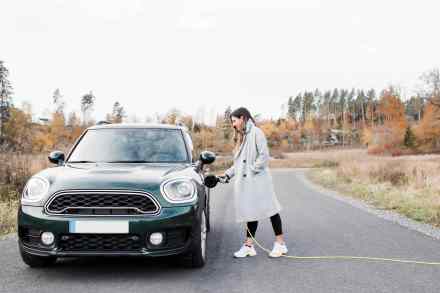
As every electric car owner knows, driving an EV over long distances in Britain is not without its obstacles. Everyone has their own tale of getting stranded somewhere unintended after running out of juice. A lack of available chargers can turn even short trips into a logistical nightmare. So how easy is it to run an EV in rural Britain? And should drivers even try? There are at least five electric cars in Kentish village where I live. Three of them belong to neighbours on my street, so I decided to ask them about the pros and pitfalls. Gardener Mark Hughes and his partner Jo bought their ex-demonstrator MG5 estate five months ago.
Why you no longer need a driveway to go electric

From our UK edition

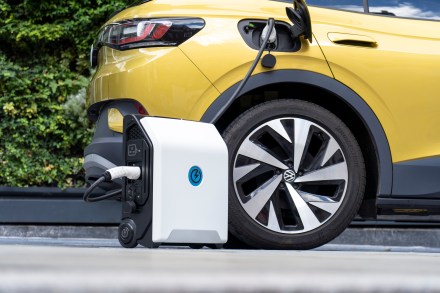
Entrepreneur Jonathan Carrier reckons more people would drive electric cars if they had portable chargers in their boots. The electrical equivalent of a can of petrol. So he's launching one. Called the ZipCharge Go, he claims it’s a design world first. There are portable battery packs that work with electric cars. Generally, these are designed for giant American recreational vehicles, some of which have their own solar panels, and if you search YouTube you’ll come across allegedly comic videos of people recharging moribund Teslas with petrol generators, but the Go has been designed from the off to charge vehicles, and has the necessary software to pair up with them.

Paul Merton and the British obsession with motorhomes

From our UK edition

In the past couple of years successive lockdowns and the need for self-contained holidays meant record numbers of people embraced motorhomes and campervans for the first time. 16,608 new motorhomes were registered with the DVLA in 2021, topping the existing sales record by 8 per cent. But was this just a lockdown fad? Not if the latest sales figures are anything to go by. Even as the economy looks shaky, motorhome purchases are on the rise, with both new and second-hand vans commanding a premium. One motorhome convert is comedian and writer Suki Webster.

How to save money at the pump

From our UK edition

If fuel prices are making you splenetic, the driving techniques designed to make that fuel go further might restore a degree of calm. Driving with economy in mind is all about smoothness, anticipation, being aware of your surroundings and not rushing things. Serial congestion means that, more often than not, an easy going journey is only fractionally slower than one where you’ve gone hell for leather. So, here are some driving techniques that will help keep down the petrol bills: Leave time to brakeHarsh acceleration and braking will dent your car’s efficiency. Looking ahead and around you, so that you’re anticipating things that might bring you to a sudden stop will result in it working less hard, which will improve your MPG.

The death of old bangers

From our UK edition

The old banger is a vanishing breed. And it's not because all drivers want new cars. On the contrary, not everyone wants to pay out monthly for a fast-depreciating asset. Many drivers would rather opt for a cheap, serviceable car in its dotage. Although I write about cars for a living, and shiny new ones sometimes cross my path, cars I’ve actually owned have mostly come from the bargain basement, including a venerable Toyota which lasted for three years and 50,000 miles that someone gave to me because they wanted it removed from their drive. I saved vast sums of money and had fun in the process. Today, such cars are virtually non-existent and demand for them has never been greater.

Hydrogen vs electric – which car is the better investment?

From our UK edition

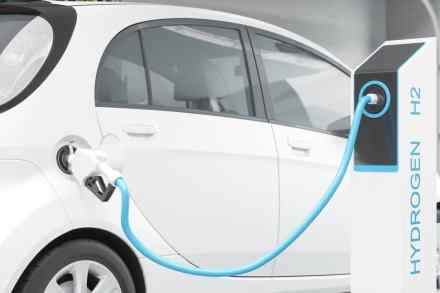
Does the future of motoring really lie in electric cars? Battery powered motors are now commonplace, but a few intrepid British drivers have gone for hydrogen fuel cell models instead. They currently have two choices. The £69,495 Hyundai Nexo (28 sales) and the £55k plus Toyota Mirai (about 200 owners including James May), so they’re hardly cheap. Eventually there will be more, including a BMW X5 4x4 due to be launched later in 2022. Jaguar Land Rover is also said to be looking at the technology for its heftier offerings. These cars take minutes to re-fuel, go further between top ups and, unlike battery cars, aren’t adversely affected mileage-wise by cold weather. The only thing they emit is water vapour.

The truth about electric cars

From our UK edition

EVs have been easy to poke fun at over the years. Comedian Chris McCausland has a popular stand-up sketch about how Jaguar spent four years developing a space age noise for its electric i-Pace, only to silence it because people were looking skywards when they heard one coming towards them. And yet, despite their futuristic novelty, society has actually adjusted remarkably quickly to the advent of electric cars; they are fast becoming commonplace on British roads. Last year the Government’s EHVS home charging point grant scheme, which ends on 21 March, helped fund almost 61,480 charging units, and last November just under 19 per cent of Britain’s new car market was taken by electric models. These vehicles are no longer niche.

Should you electrify your classic car?

From our UK edition

Inspiration comes in unusual forms. David Lorenz’s lightbulb moment arrived when his classic Mercedes broke down. His small daughter was in the car, and Lorenz began thinking about ways to make it cleaner, more reliable and give it a long term usable future in a world that is turning its back on the internal combustion engine. This led him to set up Lunaz Design, close to the Silverstone racing circuit in Northamptonshire. It’s high end old car restoration business that fits electric drive systems to sometimes exotic period Jaguars, Rolls-Royces and Aston Martins amongst others.

Why the camper van craze is here to stay

From our UK edition

Britain’s staycation charge has seen thousands of people buying campervans for the first time, not least the classic VWs beloved of hippies, surfers and generations of families whose definition of a good day out is a Thermos flask of tea. These clattery, engine-in-the-back vehicles already had cult status, but it seems the pandemic has supercharged their appeal, with demand for VW campers soaring both before and after lockdown. But what’s it like living with a box on wheels originally conceived seventy plus years ago? Fun, according Midlands-based Graham ‘Dougie’ Douglas, who owns two 1966 and ’67 vans, the latter, a retired Austrian police minibus, bought on a whim in 2006 when his wife and family were out and he had nothing but eBay for company.

What it’s like to drive the new Mini Electric

From our UK edition

Most electric cars no longer look peculiar, and the battery powered Mini is a good example of this. Go back a decade and electric cars were either tiny city vehicles with crude, shed like bodies or bigger and a bit weird. The original Nissan Leaf had the contours of a giant child’s shoe. The current, less outre one looks like a Micra after a heavy lunch. Before Tesla made electric cars desirable, motor manufacturers didn’t see them as commercial propositions, and paid lip service with prototypes that were about as appealing as a thorn twig scourge. Now the legislative and commercial landscape has changed, and the rush is on to turn electric cars into every day consumer durables.