More from life

The secret to making great oysters Rockefeller

There’s nothing more intriguing than a closely guarded secret recipe. Coca-Cola and KFC are two famous examples, with the precise ingredients for the soda syrup and special coating kept in guarded vaults: the story is that those who hold the information aren’t allowed to travel on the same plane in case of disaster. Lea & Perrins, Angostura Bitters and Chartreuse all keep their products’ make-up secret. Making sure the butter is the brightest of greens is as important as any of the individual components Nobody knows the recipe for oysters Rockefeller – or at least nobody knows the original recipe. It was created in 1889 at Antoine’s restaurant in New Orleans, which still stands today, serving the same classically French food it did back in the 19th century.

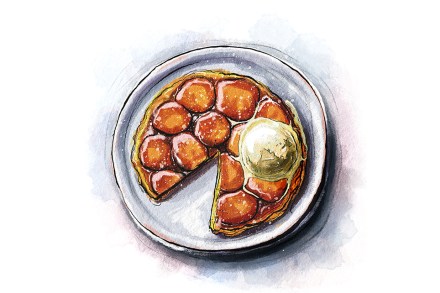
The joy of tarte Tatin

When it comes to traditional recipes, there are few things we love more than an unlikely origin story, ideally one born out of clumsiness or forgetfulness. The bigger the kitchen pratfall, the more delicious the product. Setting pancakes on fire? Accidental crêpe Suzette! Nothing in the restaurant apart from lettuce and some pantry ingredients? The Caesar salad is born! Muck up a cake you’ve made hundreds of times and end up with a squidgy mess? The St Louis gooey butter cake is even more popular than the original recipe! There are few bungling origin stories neater than that of the tarte Tatin But there are few bungling origin stories neater than that of tarte Tatin, the upside-down caramelised apple tart.

Give vitello tonnato a chance

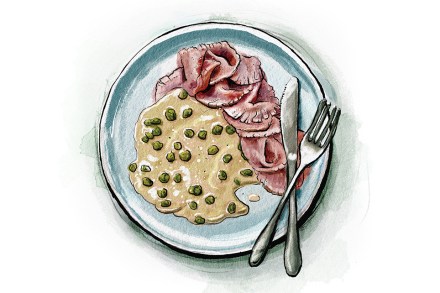
I am sure there are beloved British dishes that inspire horror in those from different cultures, that are truly unappealing to the uninitiated. I can quite imagine that the bright green eel-gravy that traditionally accompanies the East End pie and mash could be figuratively and literally hard to swallow for a visitor. Or that our predilection for Yorkshire puddings – glorified pancakes – on our very savoury roast dinners and a desire for strong cheese served with fruitcake make us seem as mad as a box of frogs. Vitello tonnato might be called the original surf and turf.

The no-bake bliss of icebox cake

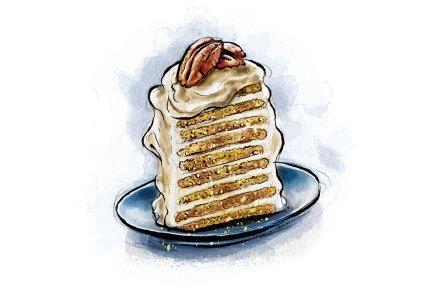
Standing in the biscuit aisle of my local supermarket, I’m overwhelmed by possibilities. This isn’t unusual for me, but normally it’s fuelled by greed, and resolved by buying them all. Today I have to make a choice. I am making an American icebox cake, which requires a lot of one type of biscuits, and the structure and flavour of the whole cake depends on them. As befits a no-bake dessert, the process of making it is a cinch The problem is that the three most popular biscuits for the pudding are not easily available here: graham crackers, Oreo thins and Nabisco chocolate wafers. I almost feel relief when I discover that the classic icebox biscuit, the Nabisco chocolate wafer, was discontinued last year.

American salads are weird – but an egg salad is perfect

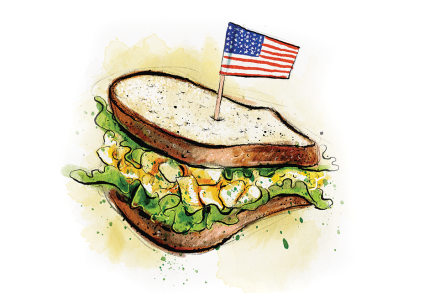
The Americans are weird about salad. I’m sorry, but somebody had to say it. Really, their use of the word ‘salad’ needs scare quotes around it. Where we generally mean ‘green leaves, and possibly a tomato if we’re feeling adventurous’, an American ‘salad’ can mean anything from pistachio cream with glacé cherries to tuna in sweet jelly. It is a hangover from the middle of the last century, when – in a perfect confluence – canned goods, especially otherwise unavailable fruit, and mass-produced gelatine simultaneously became easily available. The American housewife ran with it, and inexplicably called it a salad. Salad can be maximalist, with everything thrown at it. Bacon! Anchovies! Grapes! Marshmallows!

Yorkshire curd tart: a well-kept, delicious secret

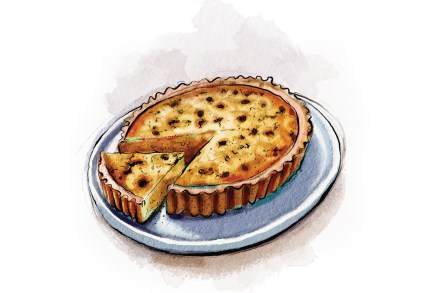
There are many old dishes in the UK that are hyper-regional, whose reach has never extended beyond geographical boundaries but remain much loved where they originated. Yorkshire curd tart is a good example: it is barely known beyond God’s own county (or God’s own four counties, which now technically make up what we think of as Yorkshire). There is no good reason for this – Yorkshire curd tart is just a delicious well-kept secret. The tart enjoyed its heyday in the 17th century, when most families would have kept their own cow It was traditionally baked for Whitsun, or Pentecost, the day the Holy Spirit descended on Jesus’s disciples. Curd tart is literally a moveable feast, as its date depends on that of Easter itself.

My shameful shortcut to perfect pesto

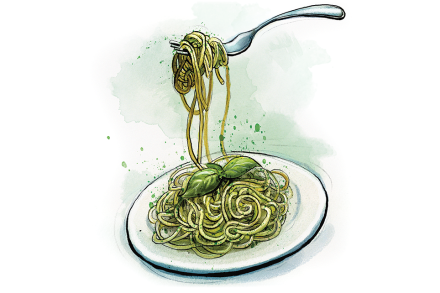
Forgive me Father, for I have sinned. It has been… too long since my last confession. Picture the scene. I am in the kitchen, almost literally spinning plates. I should have been focusing, prioritising the bits that needed to get done, keeping an eye on the clock. Instead I’ve been mucking about, making an unnecessary batch of cookies, re-testing some buns that almost certainly didn’t need it, but I fancied baking. And I’ve lost track of time. Emerald, gleaming with oil, slightly textured and bursting – bursting – with flavour I’d volunteered to do lunch earlier in the day when my husband had mentioned that he was in back-to-back meetings with a breakneck turn-around lunch break. Now here he is: ‘OK, here we go, I have 20 minutes for lunch!

How to make perfect scones

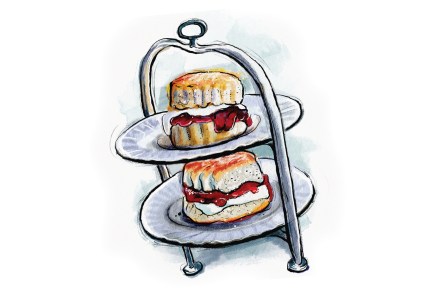
I am evangelical about scones as a gateway bake – they are the perfect entry point for the nervous baker. They don’t require any nonsense. Rubbing the butter and flour together by hand and stamping the dough out is straightforward; and as long as a scone is risen and golden-topped after baking, then you’re fine. But more than that, if you can bring a scone dough together – and you can, I promise – then you can bring any pastry dough together. I’m not suggesting you open a pâtisserie while your first batch is still in the oven, but rather that scones can be a confidence-builder for the novice baker, in a way that biscuits, cakes and brownies can be quite the opposite.

You shouldn’t be afraid of steak tartare

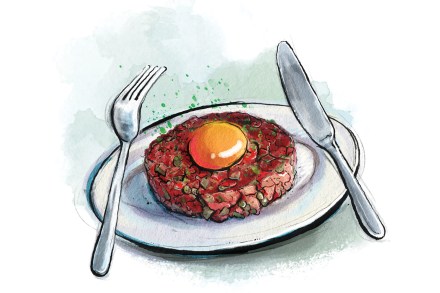
Whenever I think of steak tartare, I can’t help but remember a heartbreaking passage in Nigel Slater’s memoir Toast. Slater, working at a French restaurant in a Midlands hotel as a young man, is desperate to try the steak Diane. He books a table there for himself and a date. In a moment of madness, he accidentally orders the steak tartare instead. Expecting a rich, cream-spiked, butter-fried, brandy-flambéed steak, he is first surprised, and then horrified when a waiter begins chopping up raw meat alongside him. ‘I felt cold, then hot, then cold again. The little egg yolks seemed to be looking up at me, laughing. Then everyone was laughing.’ He goes outside and faints.

How to make elderflower cordial

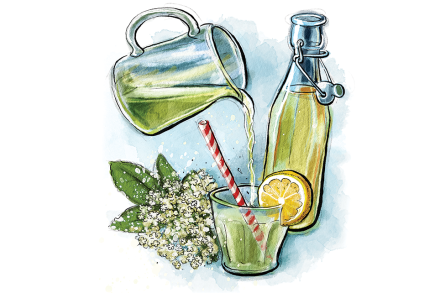
I have a complicated relationship with elderflower cordial. I love taking ingredients that have short seasons, preserving and squirrelling them away for future enjoyment. And I’m cheap, so the fact that the main component comes from the hedgerow is appealing. And it’s fun! It is a little like making a potion, dunking whole heads of flowers into an enormous pan and then leaving it to steep for days, before bottling it. Magical. But the truth is, I really don’t like drinking the cordial. It is too floral, too perfumed, too green. It’s just not for me.

The not-so-French roots of chicken cordon bleu

We all have our quirks when it comes to cooking. I have clear mental blocks over what is and is not a complicated supper, many of which do not follow any kind of logic. I wouldn’t think twice about setting a sauce or ragu going early in the day, blipping gently, returning to it every so often for a stir and a taste, knowing that it will take hours and not inconsiderable attention before it is ready. I don’t mind at all making dough which will need proving and shaping as the afternoon wanes. I even find the act of slicing or chopping various different components meditative. The result is neat little parcels of golden-brown crunchy breadcrumbs encasing chicken, cheese and ham But there are processes that set off klaxons in my head: warning, warning, avoid.

‘Terribly chic’: how to make chouquettes

I have become obsessed with the French idea of goûter, the time in the afternoon when French schoolchildren have a sweet treat to tide them over from the end of the school day until dinner. It’s just teatime, really, a pause for an afternoon snack – my kid has the same, but we don’t have such an elegant word for it (and his tends to be a gobbled Babybel, and rejected cucumber sticks, which is far less fun) – but giving it its own distinct name and place in the day is charming.

How to make ham and parsley sauce

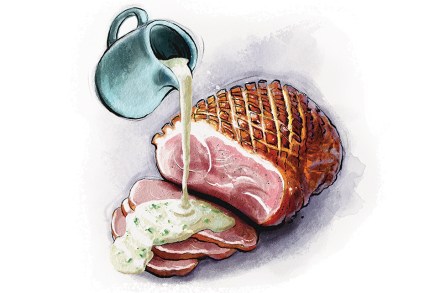
Poor old parsley sauce. As someone who writes regularly about old-fashioned food, it often feels that we are living through a golden revival of vintage dishes. You can’t move for cookbook concepts pinned on comfort and nostalgia, or restaurants attempting to take the diner on some kind of Proustian journey. Whether it’s nursery food, school dinners, classical bistro French cooking, hyper-regional food, or the polarising ‘reinvention’ of any of the above, old-fashioned ingredients are in vogue again. In trendy restaurants menus are littered with rabbit, offal, marmalade, boozy prunes; with steamed suet puddings (sweet and savoury), duck à l’orange, prawn cocktails, rice pudding, hand-raised pies… Ten years ago, devilled eggs were naff. Not now.

How Linzer torte stood the test of time

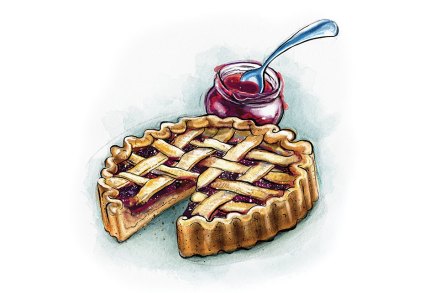
Linzer torte has quite the claim to fame: some assert that it’s the oldest cake in the world; others that it’s the oldest to be named after a place. It feels churlish to split hairs, but those two assertions are quite different, aren’t they? In any event, it’s certainly very old. For a long time it was thought it dated back to 1696, when it was mentioned in a recipe held in the Vienna City Library. But 20 years ago, an earlier reference was found by Waltraud Faißner, a Linzer torte historian, dating it to 1653 in the snappily titled Book of All Kinds of Home-Made Things, Such as Sweet Dishes, Spices, Cakes and also Every Kind of Fruit and Other Good and Useful Things etc.

Tricky but delicious: how to make the perfect pretzels

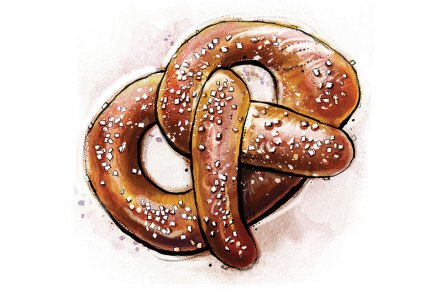
My husband is obsessed with pretzels. The joy that a slightly warm, soft baked pretzel brings him is disproportionate. And, unlike in Germany and the States, where soft pretzels are ubiquitous, they are hard to come by here. So, for a while I have been trying to perfect the pretzel. It has not been smooth sailing. Throwing your pretzels into a cauldron of water feels somewhere between heresy and madness Pretzels are tricky: as well as being made from bread dough, and therefore yeasted, they are boiled before baking, have a very distinctive flavour, and their shaping requires a certain knack. Getting them right was a labour of love. But now I’ve cracked it, which means you should be able to avoid my pitfalls.

The contradictory brilliance of Boston cream pie

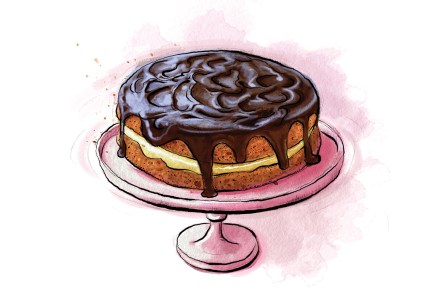
They say you can’t teach an old dog new tricks, but perhaps you can teach it old tricks. When I embarked on making a Boston cream pie, I thought I knew it all when it came to sponge cakes. I’d creamed butter and sugar, using elbow grease and a wooden spoon or employing the horsepower of a stand mixer’s whisk attachment. I’ve used the all-in-one-method; I’ve melted butter and folded it into cake batters in the pursuit of sticky denseness. And I’ve folded in egg whites, holding my breath in an attempt not to knock any air out of the mix. But I had never made a Boston cream pie, and so I had never made a hot milk sponge. Could this old dog learn something new?

‘Delicious, not glamorous’: how to make a pot roast

A pot roast is probably the antithesis of glamorous cooking. But that’s also sort of the point. For as long as we’ve been cooking meat, we’ve looked for ways to make the tougher cuts more tender and succulent. It’s the kind of cooking that every culture around the world has developed individually, a way of transforming the cheap and possibly unappetising into something delicious. The answer is simple, and relies on three elements: low heat, moisture and a lidded cooking vessel. A homely and economical way of bringing the best out of an unprepossessing joint Pot roast is the American way of slow-cooking whole joints of unforgiving meat, usually a piece of beef (although similar principles apply to pork and lamb).

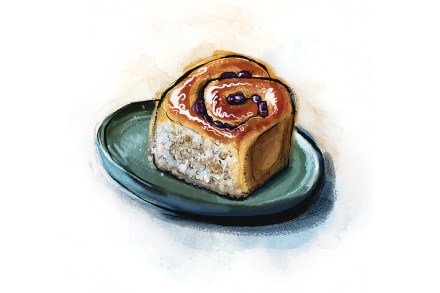
Chelsea buns are the best of all buns

The Chelsea bun was first baked in the Bun House in Chelsea in the 18th century. It was a bakery which found particular favour with the Hanoverian royal family, as its pastries were reminiscent of those from whence they came. But these buns were for everyman: they were customarily bought by the poor on Good Friday along with hot cross buns. On these days, the demand was such that the buns were sold through an opening in the shutters, and a police presence was needed. The Bun House was headed up by Richard Hand who was known as ‘Captain Bun’; after his death, the shop passed on to one of his sons and then another. In 1839 there was no one left to take it on, and the shop closed.

How to (correctly) make a Cornish pasty

When it comes to traditional food, there is always regional pride to contend with. Many recipes are intrinsically connected to the area from which they have sprung: Pontefract cakes, Chelsea buns, Lancashire hotpot, Welsh rarebit. They represent heritage and tradition – edible history. You must tread carefully to avoid offending regional heritage, or just making silly mistakes. I certainly feel on safer ground making pronouncements from my Salford home on Eccles cakes than I do on Ecclefechan tart. But when it comes to the Cornish pasty, the people of Cornwall have taken ownership a step further. In 2011, the Cornish pasty was granted Protected Geographical Indication by the EU, which dictates where – and how – a true classic Cornish pasty can be made.

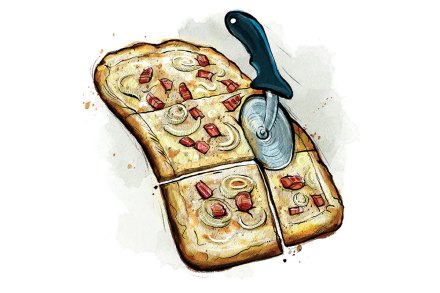
‘The perfect winter snack’: how to make flammekueche

There are times in the year that call for snacks. Rather than embracing the various diets and other forms of self-flagellation that sweep over us at the start of the year, we need every joy we can get during endless January, with its dark, short days and cold nights. Right now, we are in such territory. Open those posh crisps, order the triple-cooked chips, invite joy in. I have strong ideas about the platonic snack for winter: something hot, ideally, to accompany a glass of something cold as you while away the dark evenings. The ideal contrast between crisp and yielding, sweet and salty – something that can be picked up one-handed and is substantial enough to satisfy, but still leave you wanting more. Flamme-kueche fits the bill pretty well.