Books & Arts

Books and Arts

This month in culture: November 2024

Here In theaters November 1 What happens when the director, writer and stars of Forrest Gump get together in 2024? A goosebump-inducing story of family, time, space, home and the enduring nature of love. The “Here” in question is taken from the graphic novel by Richard McGuire, which tells the story of a location through generations and eras, transcending time. Director Robert Zemeckis plays on the panel-frames of graphic literature by employing a fixed camera angle throughout the film. AI de-aging technology is used to depict the actors from teenagerhood through their eighties. Tom Hanks, Robin Wright, Paul Bettany, Kelly Reilly and Michelle Dockery star.

Culture
Memorial

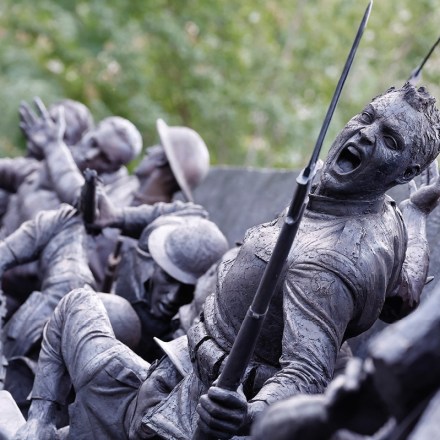
A classic monument for World War One

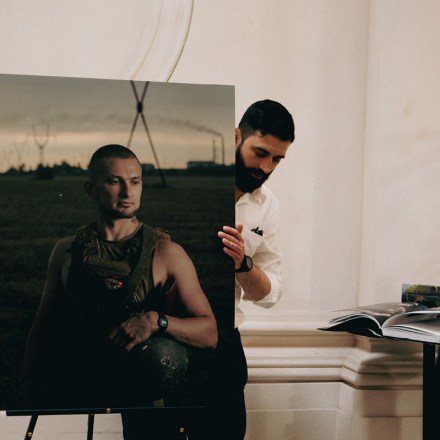
I was standing in front of “A Soldier’s Journey,” the centerpiece of the new National World War One Memorial in Washington, DC, chatting with its creator, sculptor Sabin Howard, when I raised a question. “So, are you the new Saint-Gaudens?” I asked. “No! No, God no!” exclaimed Howard. “That guy sucks.” Sabin Howard is nothing if not direct in expressing his opinions, which are refreshingly free of the artspeak that saturates most of the contemporary art world. It’s a frankness that is best appreciated by examining his current commission as well as trying to understand the artist himself.

War, one artwork at a time

The chaos of the conflict in Ukraine is difficult to track, let alone to reflect on a human scale. After ten years of destruction and occupation, analyzing the situation from afar is a challenge. For many in Ukraine, art provides a way to communicate about a culture under siege, a sense of identity and a concrete way of engaging with people outside the country. While art can speak for itself, it requires human cultural ambassadors. To this end, Ukrainian nationals and their allies have been working tirelessly to promote the voices of a people under siege through museum exhibitions and events the world over.

art
Fight Club

Twenty-five years of Fight Club and American Beauty

Sound the alarm: hypermasc beefcakes all over the world have an anniversary to celebrate! Beware women, children and the effete, this year marks the twenty-fifth birthday of both David Fincher’s notorious psychodrama Fight Club, adapted from the debut novel by Chuck Palahniuk, and Sam Mendes’s equally notorious American Beauty, which has gone from Oscar-winning acclaim to being a punchline on chat shows and animated comedies alike. If you haven’t seen Fight Club, shame on you. Go to Hulu and binge away. Revel in its anarchic ludicrousness and head-to-head carnage; inhale the feculent atmospheres of Lou’s Tavern and Tyler’s dilapidated mansion house, all tied together through Fincher’s iconic desaturated color palette. It is all too easy to taste the blood, sweat and tears.

How controversial is The Apprentice?

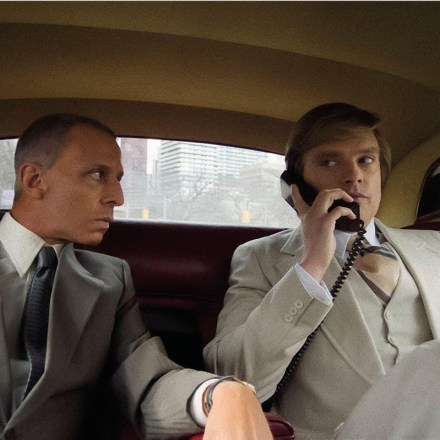
Ali Abbasi’s new film, The Apprentice, may be named after the TV show that fatefully beamed Donald Trump into millions of homes for fourteen seasons before its star’s even more fateful run for the US presidency. But after watching Abbasi’s twisted and wildly entertaining bildungsroman, featuring Sebastian Stan as a young Donald and Jeremy Strong as his dark-arts mentor Roy Cohn, you recognize an echo of the sorcerer’s apprentice too. Abbasi starts the film with footage of Richard Nixon telling the world he is not a crook, before segueing to a punk-soundtracked montage of broke-down Seventies New York.

Trump
Kennedy

The real Kennedy men

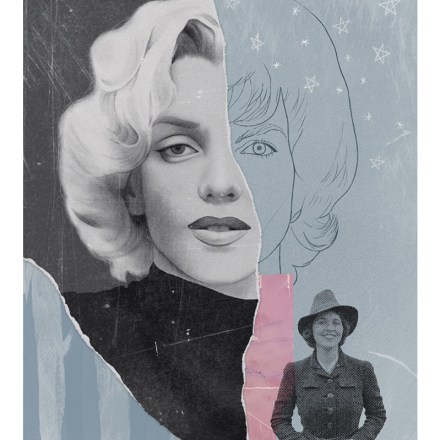
Long before the #MeToo movement shattered the careers and reputations of people like Harvey Weinstein and Kevin Spacey; long before Jeffrey Epstein and R. Kelly were locked up for committing heinous sex crimes; and long before we’d become familiar with names like Monica Lewinsky and Virginia Roberts Giuffre, there were the Kennedys. In very basic terms, that’s the premise of Maureen Callahan’s book Ask Not — a title that riffs on JFK’s inaugural address — which salaciously chronicles how men from three generations of one of America’s most exalted families spent their lives perpetrating violent misogyny and psychological abuse without suffering so much as a polite slap on the wrist.

Why Shakespeare remains the great playwright

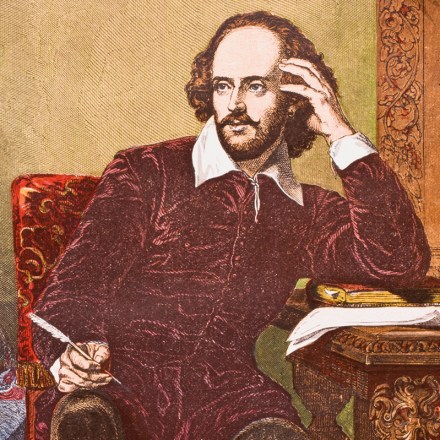
William Shakespeare’s tragedies stand apart. Their impact is profound and lasting, in cultural, artistic, emotional and psychological terms. Who could forget the ghost’s first appearance in Hamlet, or Lear bearing the dead Cordelia? No other dramatist has achieved what Shakespeare did: in subject matter, emotional heft, innovative usage of source material, character development and startling deployment of language Shakespeare is (and there is no other word for it) extraordinary. He surpasses both his predecessors (sorry, Thomas Kyd!) and those that came after him. He built on the foundations the classical playwrights established, and then, almost casually, bettered them, too.

Shakespeare
Levy

The Position of Spoons is flawed but fascinating

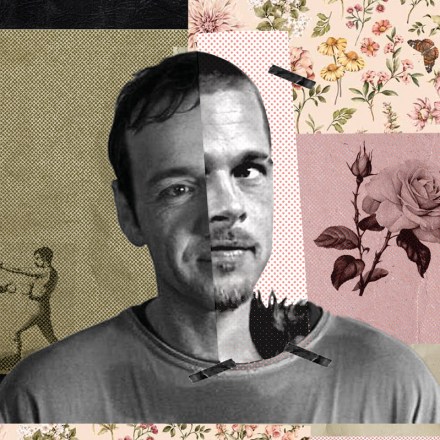
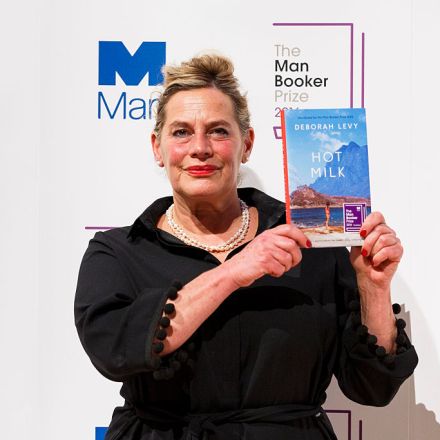
"When you take a flower in your hand and really look at it, it’s your world for the moment. I want to give that world to someone else.” The final installment of Deborah Levy’s “Living” biographies, Real Estate, begins with this quote from the artist Georgia O’Keefe. It would be neat — oh, so neat! — for me to remark that if her memoirs were each a single flower — the world of the writer unfurling between its papery leaves — her latest book, The Position of Spoons, is a bouquet: a collection of variously published and unpublished letters, essays, short stories and poems spanning her entire life as a writer. But The Position of Spoons is not neat. Instead, reading it feels rather like rummaging through Levy’s desk.

How music can be weaponized

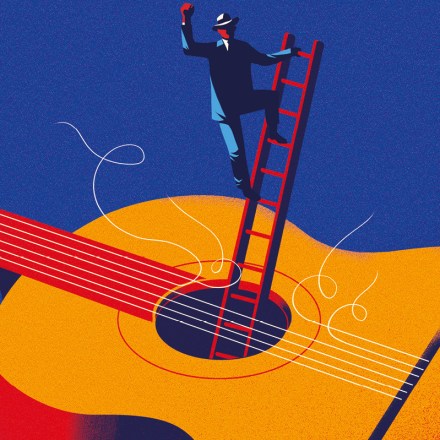
A noise booms from a downtown district of Kyiv. It’s not the screech of a piercing siren or a building collapsing into rubble but the pumping beat of electronica. Throughout the deafening clamor of the Russia-Ukraine war, Gasoline Radio has kept broadcasting, mixing contemporary electronic music with traditional folk to fortify Ukrainian national identity. Whether pumped out by electronica DJs, violinists playing for families in shelters or singers performing in the shelled-out carcasses of cities, all is far from quiet on the cultural front of Ukraine. Wherever there is oppression, there is resistance, and music has long been a weapon for these war-weary civilians.

Rebel
Zo

The powerful, brutal story of Polish resistance fighter Elżbieta Zawacka

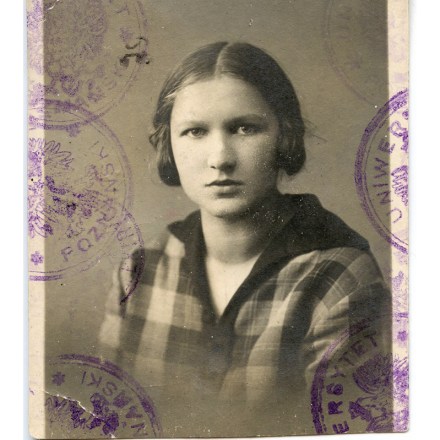
In May 1942, Agent Zo was in the home stretch after a long and risky mission that had placed her in Berlin, at the heart of Nazi Germany. As usual, she picked up a small stone and threw it at the second-floor window of her sister’s apartment in a grimy industrial city in occupied Poland, south of Warsaw. But no one in the flat turned on a light, the agreed signal. She threw another. Nothing happened. With a mounting sense of unease, she knocked at the door of a first-floor apartment, and a pallid face appeared. The terrified neighbor told her that the Gestapo had appeared two days ago and arrested the occupants. “Get away, by God. They are here!” she urged.

Bored of the rings: ‘wokery’ takes on Tolkien

"Woke” is a term much overused by those on both sides of the culture war but — a little like pornography — while it may be difficult to define, you absolutely know it when you see it. The capture of the entertainment industry by an ideology — perhaps more accurately described as a group of roughly consanguineous ideas that seem, superficially, to be the Right, Kind and Thoughtful beliefs to hold — seems now to be absolute. Fiction of all kinds has been affected, but heroic narratives have proved especially vulnerable, perhaps because of the size and dedication of their audiences. You will doubtless know the kind of thing I mean.

Rings