
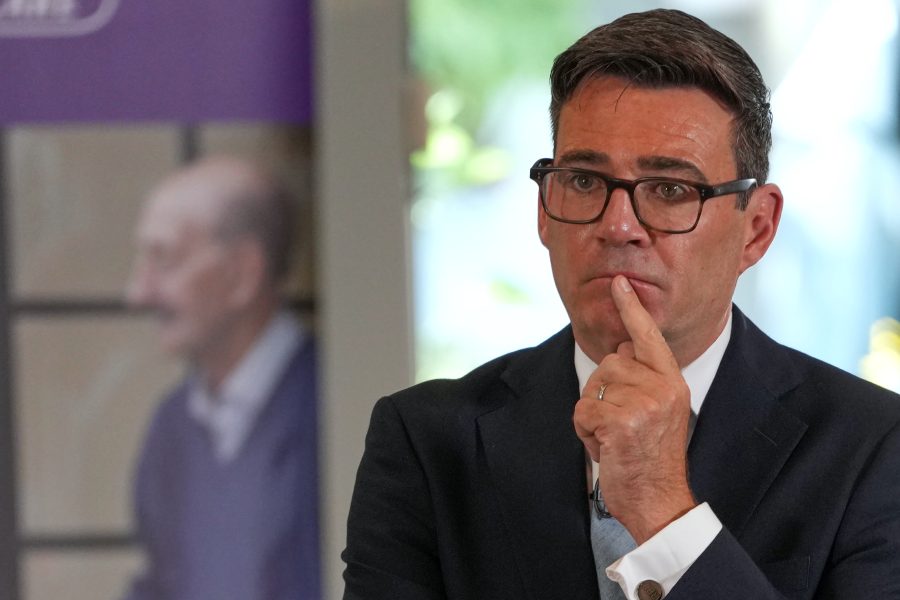
Andy Burnham has all but confirmed that tax rises are coming to fund major reforms to social care. In the Prime Minister’s his first press conference with – gasp – real journalists, Burnham set out his approach to an issue that has plagued successive governments. Speaking at a Jewish care home in Golders Green, Burnham declared he was willing to make ‘difficult decisions’ and risk unpopularity to deliver a national care service. The Prime Minister indicated that he was prepared to put everything on the line to achieve his aim – including his premiership.
Burnham said: ‘I know that this will require me to put what political capital I have on the table, and it could sort of wear down that political capital in some ways. But I’m prepared to do it, because this has gone on for too long. The risks of failing to act have been too great.’
If Burnham wants to impose sweeping tax changes to fund major reforms, by what mandate can he do so?
Policy details were scant, but Burnham did announce that the Casey Review into social care – including a plan for funding reform – would be brought forward by a year, to be published in 2027. Baroness Louise Casey, who is leading the review, will launch a ‘national conversation’ about different care models and how they could be integrated within the NHS. Reports that funding options under consideration include a new 1.8 per cent levy on earnings above £6,240, or a 10 per cent death tax on all estates, have already emerged.
At the press conference, Burnham insisted that he would not break Labour’s triple lock pledge on taxes. He also argued that ‘more is possible from within existing resources’ when it comes to funding reform. But with the annual cost of a national care service projected to reach £18.5 billion, and Labour MPs guarding benefit spending with their lives, the money is clearly not going to be found by simply reprioritising existing budgets.
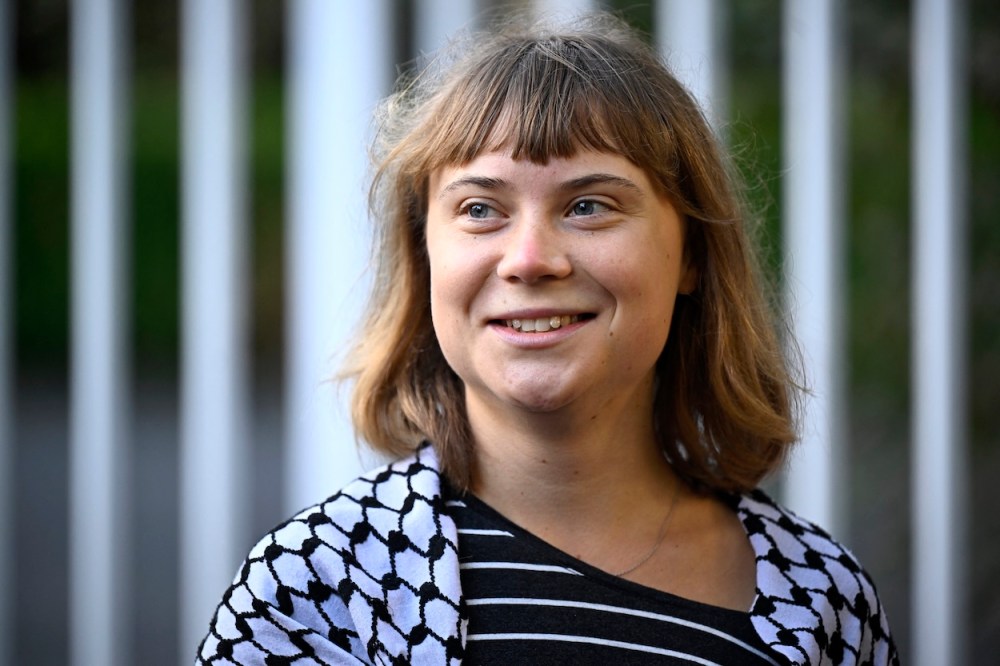
The Prime Minister also announced that he wants carers to be paid higher wages, within a system offering clearer career progression. He claimed those looking after the elderly should be ‘the best paid people in society, not the worst’. An immediate review will examine how that could be achieved.
Ultimately, the social care question comes down to money. Few would argue that the system in its current form represents the gold standard. There have been 22 reviews into how it could be improved – none has succeeded in producing lasting reform. But deciding how to pay for a better system will prove extremely divisive. Burnham made clear today that this would not faze him and that he intends to press ahead regardless.
The Prime Minister will hold a mini-summit today with Liberal Democrat leader Sir Ed Davey and the Conservative shadow health and social care secretary Stuart Andrew. The Lib Dems have already indicated that they would support tax rises, but Kemi Badenoch has been unequivocal: social care must be funded through spending cuts, with no increased borrowing and no higher taxes.
Tory insiders have accused Burnham of orchestrating a political stunt that was never intended to find common ground. They say this is exemplified by the last-minute nature of their invitation to the talks. A Tory source said: ‘If Burnham was serious about working cross-party he would have given us more than 18 hours notice for a 30-minute meeting during recess and the invitation wouldn’t have been immediately press released. It’s almost like it’s only being done for show.’
Nigel Farage, meanwhile, furiously criticised Burnham for excluding Reform from the summit. He accused the Lib Dems and Tories of ‘conspiring behind closed doors with the failed political establishment to foist further tax rises on the country’.
Burnham also revealed his position on assisted dying for the first time when asked for his views. He said there should not be a debate on the issue until social care has been fixed and palliative care better funded.
The Prime Minister’s first press conference was strikingly different from those of his predecessor. Burnham used no notes in order to ‘speak from the heart’, as he put it. He tackled questions head-on, appearing more human than robotic, and offered direct answers – quite unlike the stilted dither, diversion and avoidance of Sir Keir Starmer.
But the public will be acutely aware that Burnham comes to this cause with no mandate from the country. If he wants to impose sweeping tax changes to fund major reforms, by what authority can he do so without the approval of the wider electorate – rather than merely the voters of Makerfield? It was a question he was not pressed on today, but one he will eventually have to answer while looking the public in the eye.




Comments