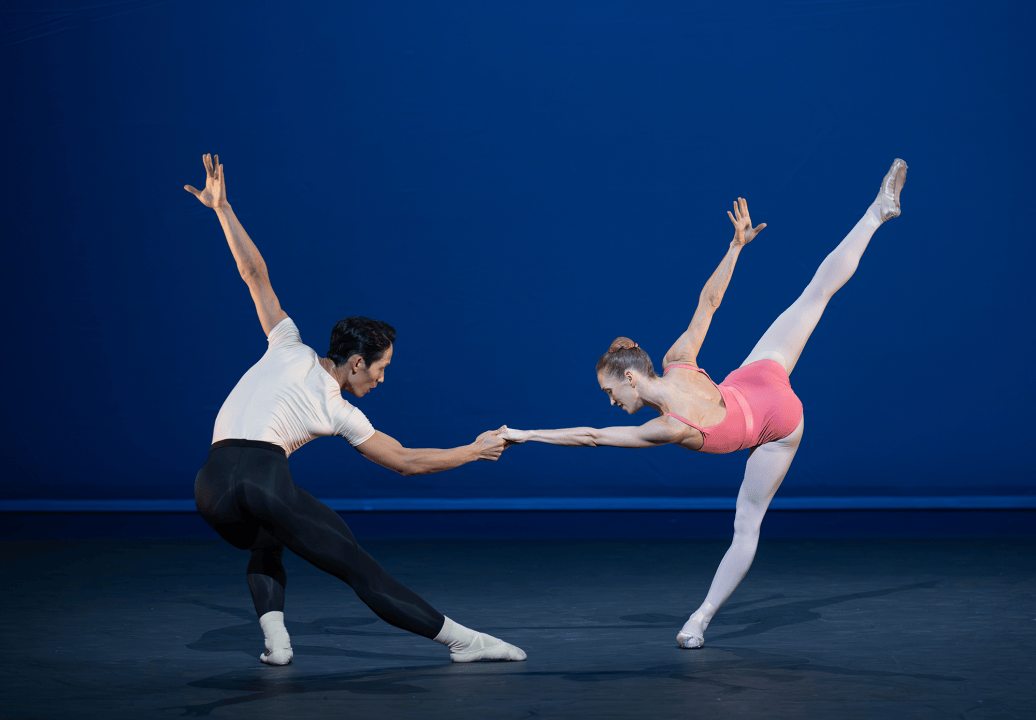
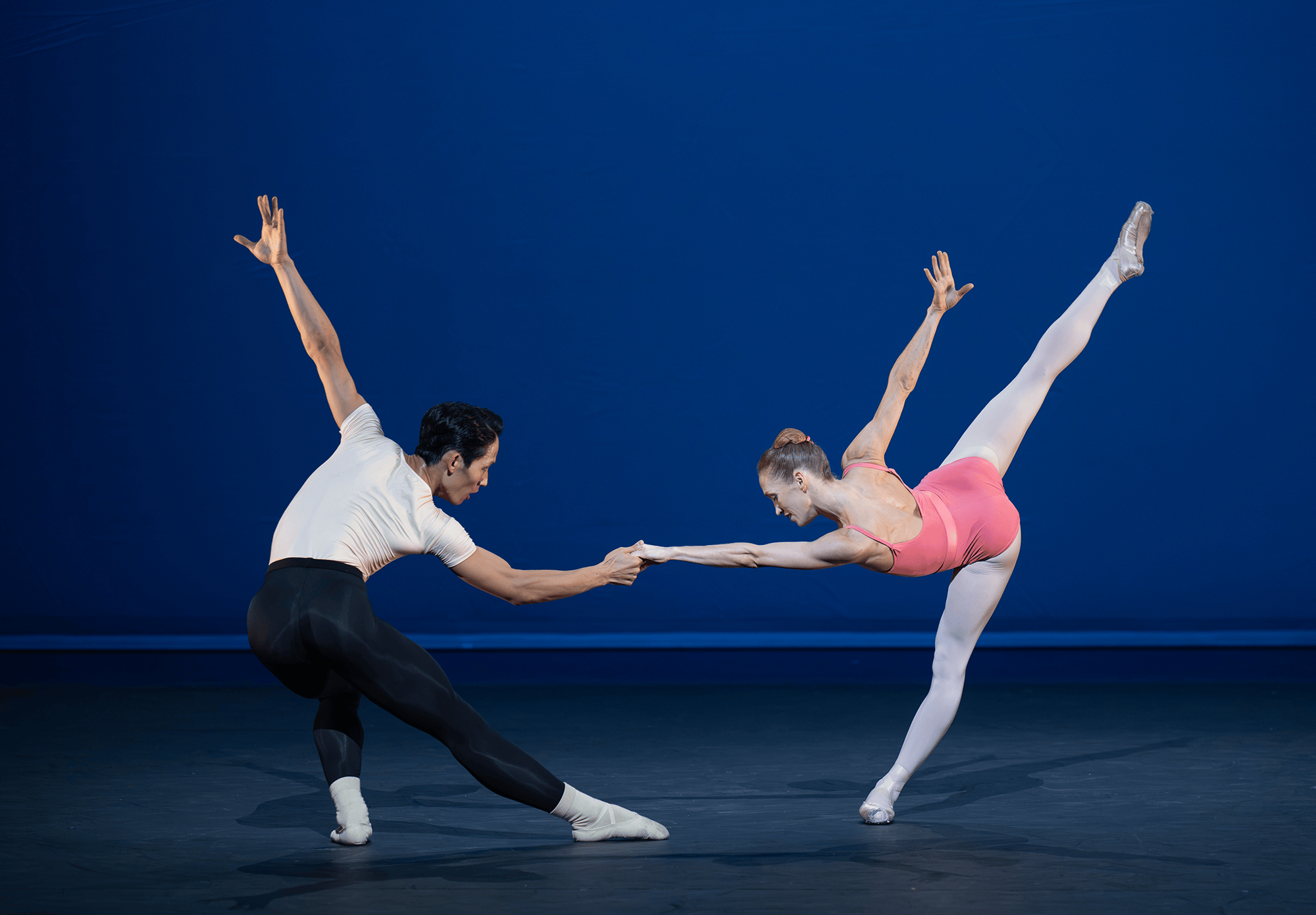
The only problem with presenting a blazing masterpiece such as Balanchine’s Symphony in Three Movements as a curtain raiser is that it will make anything that follows it look pallid or insignificant. And that’s what blights English National Ballet’s new triple bill, which starts with a massive blast of electricity and ends in a big slow yawn.
Symphony in Three Movements formed part of the astonishing festival that George Balanchine masterminded in 1972 as a homage to his close friend and artistic inspiration Igor Stravinsky, who had died the previous year. Presented in one week were 31 ballets to the composer’s scores, 21 of them new, ten of them by Balanchine himself. The dancers of New York City Ballet, enthralled to the cult of Balanchine, were worked like slaves to the point of exhaustion, nowhere more so than in creating the large-scale Symphony in Three Movements, set to a brassy and extravert neoclassical score composed from 1942 to 1945 and described by Stravinsky as his ‘war symphony’.

Balanchine picked up on this martial edge in his choreographic vocabulary. The ballet evokes a battlefield, a parade-ground, military manoeuvres: the corps moves urgently in straight lines that divide and reunite, as if under fire, and the three electrifying pas de deux are wary duels rather than amorous courtships. One dancer described the ferocious energy level required as comparable to ‘being shot out of a cannon’, and at this first performance, ENB’s plucky cast still look shy of the challenges. They need to shock and awe: to be more predatory, more aggressive, more ruthless. Precision is all, right up to the magnificent final tableau that presents arms to the audience. A for effort all round, however, and gold stars to Ksenia Ovsyanick and Rentaro Nakaaki in particular for their scrupulous execution of the intricate central section.
What chance have two new pieces by young choreographers in the wake of the matchless genius sparked by Balanchine and Stravinsky’s partnership? Micaela Taylor comes off better with her Bow Out, an amiable and audience-pleasing compendium of American jazz dance, freewheeling from lindyhop and tap to breaking and popping, danced in tuxedos with terrific verve and charm. The blot is a protracted and pretentious final section in which the dancers one by one discard their jackets in front of a microphone stand. A statement of something, but God knows what.
The final item in the programme, Auguries of Innocence, by the Korean choreographer Jae Man Joo, was a real downer. Marked in its flailing and wailing by the baneful influence of Pina Bausch, it uses a dreary drone of a score by the Latvian mystic minimalist Peteris Vasks, interspersed with a recording of beopgongyang drum music played by a monk, the Venerable Gogeum Sunim; reference is also made to the poems of William Blake. Stop that snickering in the back row, please.
A witchy and hairy lady (gamely incarnated by Sangeun Lee), described as ‘The Weaver of Souls’, presides over a coven of acolytes who roll around on the floor in thrall to her incantations. It’s all very dark, but things cheer up a bit with the appearance of ‘The Caller’, ‘The Conduit’, and ‘The Vessel’, before everyone takes their clothes off (flesh-coloured body stockings mercifully remain) and engages in chaste embraces. I sensed some sort of Adam and Eve vibe, as well as the familiar hope that peace and harmony with nature will triumph over all the bad stuff. If only. Those susceptible to this sort of hippie thing may find rich spiritual pickings here, but I will not be alone in finding it dreadfully earnest and deathly dull.





Comments