How exhilarating life must have been for balletomanes in the 1960s. Balanchine and Ashton were firmly at the helm in New York and London; young dancers of rare genius – Lynn Seymour, Suzanne Farrell, Marcia Haydee, Rudolf Nureyev, Anthony Dowell – dazzled; John Cranko, Kenneth MacMillan and Paul Taylor came into their prime; and horizons were widened by the radical quests of Merce Cunningham and the Judson Dance Theatre.
Choreographers didn’t feel the compulsion to scandalise, tell convoluted stories, or spend a fortune on special decorative effects. Slender youthful human bodies, minimally clothed, could do all the expressive work on a bare stage. Musicality was paramount. What a lot has since been sacrificed to mere frippery.

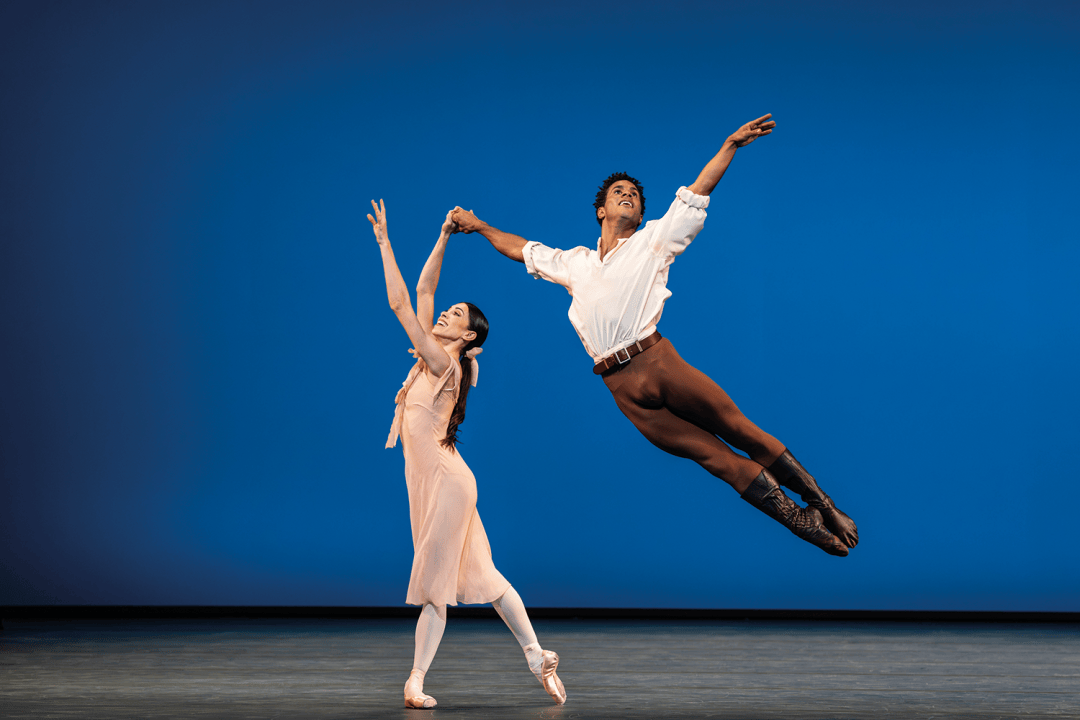
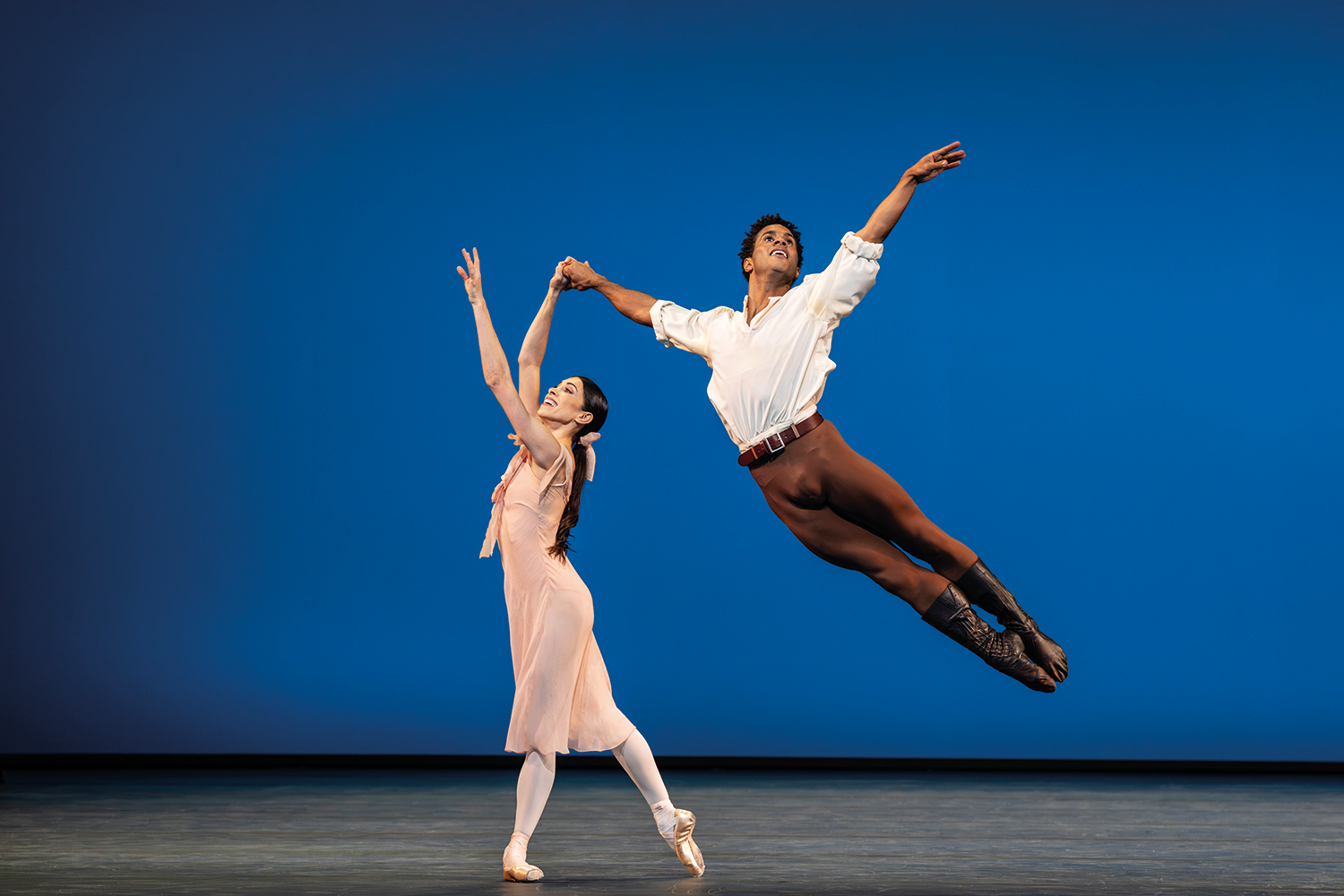
Two works – one of them a masterpiece – conceived during that lamented golden age are being revived by the Royal Ballet this month: Kenneth MacMillan’s setting of Mahler’s song cycle Song of the Earth, first performed in Stuttgart in 1965, and Jerome Robbins’s Dances at a Gathering, created for New York City Ballet in 1969.
For most of Song of the Earth, MacMillan plays happily with the bucolic imagery colouring the Chinese poems that Mahler uses, inflecting the movement with prettily parodied orientalism. But it requires precision in execution, and at this opening of the run, the ensemble looked ragged and a tad under-rehearsed, with the charm of Sae Maeda its one shining light. In the final song, ‘The Farewell’, the atmosphere darkens as a symbolic Everyman and his lover confront a masked messenger of death and his inexorable invitation. It’s portentous stuff, in need of three dancers who can convey tragic gravitas. This cast was found wanting: Marianela Nunez is not cut out for soul-searching, although she unleashes a stream of ravishingly beautiful bourrées as she gives rein to her grief, while neither William Bracewell nor Patricio Reve generate the animal tension between hunter and prey. There are marvellous things in this ballet, but here one felt it falling short of the epic grandeur to which it aspires.
An aura of mystery surrounds Dances at a Gathering. Five men and five women, distinguished only by colour of costume, move in various combinations to a selection of Chopin piano pieces (executed skilfully by Leonardo Pierdomenico). Location and epoch are unspecified. Where are they, indoors or outdoors, who are they, what unites them? Sometimes a couple will passingly meet like lovers, more often they interact playfully as friends, moving as the spirit takes them. They change partners constantly, there is no logic or narrative underpinning their comings and goings. Robbins’s classically inflected choreography flows with a wonderfully effortless and unassertive ease. Only at the end, for the first time, do all ten assemble and in stillness watch something move slowly across the air. Make of that what you will: something lost, something remembered, something yearned for?
With dancers who merely deliver the steps, Dances at a Gathering can seem aimless, infinite, even boring. But it comes magically alive with a team of strongly defined and differentiated personalities who appear to know exactly who they are, even if the audience doesn’t. At Covent Garden, the first cast was absolutely wonderful, never over-emoting or making their interactions too cute. There are jokes, yes, but an undertone of melancholy too, and love is never more than a hopeful flirtation.
It would be invidious to single out individuals from such a seamless troupe, but I can’t resist praising Marcelino Sambe for his virtuoso solo, Yasmine Naghdi for sheer elegance and Harris Bell for his buoyant jump. But prizes all round, and it’s a tribute to the current strength of the Royal Ballet’s ranks that they can field another equally enticing cast which I will happily be returning to see next week.





Comments