
Israel
Tel Aviv’s promenade on a Saturday night is heavenly. To one side, the Mediterranean glistens, dotted with boogie boards and children squealing as they splash into the surf. In the other direction, families, couples and friends picnic on lush green grass to the sound of lapping waves and two acoustic guitarists making their way through ‘Hotel California’. It is the Israeli idyll, ripe for a postcard – and a brief respite from the deep divisions that make Tuesday’s election such a consequential choice for the country.
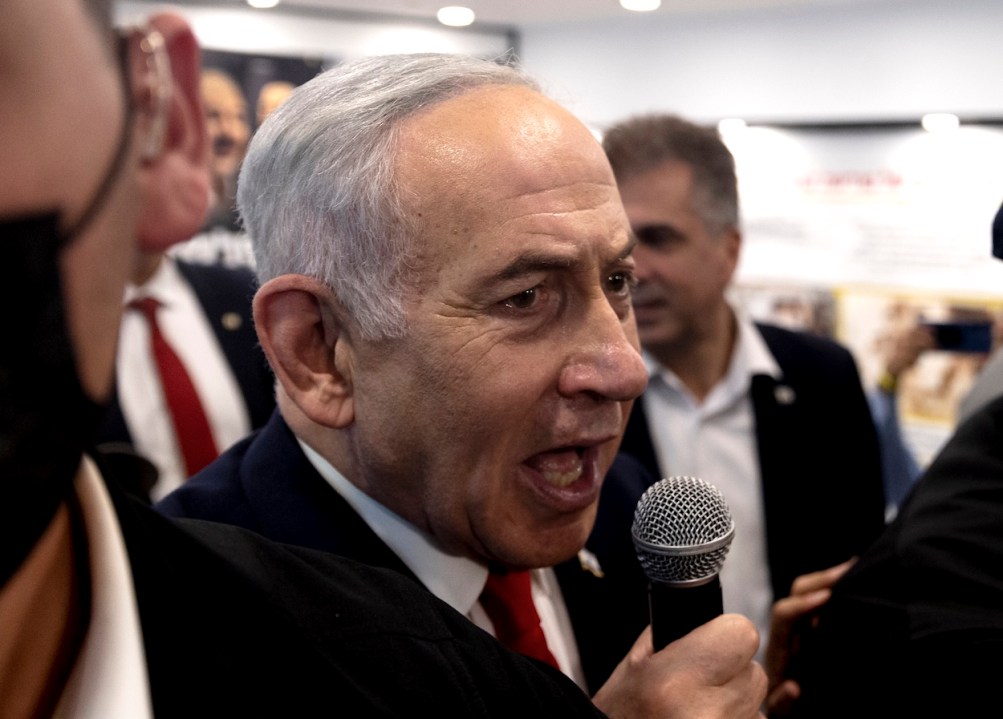
Arriving at Ben Gurion Airport last Thursday, I was struck by a country that is at once admirably resilient and deeply traumatised. The hurt and fury unleashed by 7 October have pushed a host of issues to the fore: ultra-Orthodox Jews avoiding the military draft; a state commission of inquiry into the massacre; what to do about far-right politicians such as Itamar Ben-Gvir; and how to address the continuing threats posed by Hamas, Hezbollah, Iran and other Islamist groups. But the question at the heart of Israeli politics is the same: to Bibi or not to Bibi?
Benjamin Netanyahu’s political survival is astonishing. Despite being prime minister during the worst massacre of Jews since the Holocaust, the shocking infiltration of Qatar into the highest reaches of government, and the catastrophic erosion of Israel’s standing on the world stage, the pro-Bibi bloc is polling neck and neck with the opposition. No one knows who will come out on top in Tuesday night’s exit poll. Even then, weeks of haggling between the parties may follow as they try to form a government under Israel’s proportional representation system. The deadlock was reflected in the Israelis I met.
In Kibbutz Ein Hashlosha, just three kilometres from the Gaza Strip, Schachar Zafran cradles her two-month-old baby as she explains why she will vote for Naftali Bennett, the former prime minister and leader of the centre-right opposition party Together.
‘I think Bibi is a good leader,’ she says. ‘But we have to change because most of the Israelis don’t believe in him and it’s tearing Israel apart. We need a prime minister who’s not going to make people go out onto the street and shout.’
Zafran remembers holding the safe-room door shut with every last bit of her strength as Hamas terrorists ransacked her home on 7 October. She speaks for millions of Israelis when she says that safety is the most important issue in this election. She previously voted for Netanyahu, but says she ‘can’t trust him anymore’ after the long delays in securing the release of the hostages.
About 20 minutes away, further along the Gaza envelope, Hila Fenlon is far less forgiving of the Prime Minister. The 45-year-old farmer lives around 400 metres from the Gaza border. She is furious at Netanyahu’s failure to protect her family, despite their deliberate choice to live there out of Zionist conviction.
‘I see it as a military failure but also what happened after October 7 as a moral failure,’ she says. ‘You can forgive a professional failure but you cannot forgive a moral failure.’
Fenlon cites the delay in returning the hostages, the government’s failure to tackle draft dodging and what she sees as its refusal to take responsibility for 7 October. She considers each unforgivable.
Before the massacre, many – though by no means all – residents of the kibbutzim dotted along the Gaza envelope were known as idealists and left-leaners. These communities were home to peaceniks and Jewish hippies who imagined Israelis and Palestinians might find a way to make coexistence work. Hamas destroyed that dream for at least a generation. Yet Fenlon still holds on to elements of the traditional Jewish socialist vision. She will vote for the centre-left Democrats, led by Yair Golan. Fenlon believes Golan is the only leader serious about the demographic challenge posed by the Charedi, which she fears could transform Israel’s thriving secular character into something more like that of the states it defends itself against every day.
In his 13 years as mayor, Davidi has lost count of the close friends and community members killed by Hamas rockets
Hours later, in Sderot, around three kilometres from Gaza, I meet the mayor, Alon Davidi, 53, who is firmly behind Bibi. He is unmoved by the effect in Britain of incendiary comments from figures such as Ben-Gvir and Smotrich. He believes Britain has been taken over by radical Muslims who will soon destroy the western and Christian fabric he knew and cherished decades ago.
In his 13 years as mayor, Davidi has lost count of the close friends and community members killed by Hamas rockets. He has lost count, too, of the moments interrupted by sirens, giving residents about ten seconds to reach a shelter before they risk death. He has no appetite left for discussing peace and reconciliation. Davidi says the IDF should finish the job in Gaza by destroying Hamas, then get rid of the Iranian regime while Donald Trump still has two years left in the White House.
Back in cosmopolitan Tel Aviv, the bars are full on a Saturday night. Young people talk in Hebrew, French and English. Many of the English accents belong to Britons who have moved to Israel out of fear of the direction they see Britain taking. Others are north-west London Jews back to visit friends and family, or attend weddings.
The men and women in their late twenties and thirties working in Israel’s world-leading tech sector tell me they are voting for Gadi Eisenkot, the most popular party leader in the opposition bloc. They worry that Netanyahu’s international reputation has become ‘too toxic’, and that his flirtation with isolationist economics would be devastating for the tech industry. But these young entrepreneurs and start-up employees have little time for left-wing candidates or policies. They want the right-wing approach to national security and defence, led by a fresh face – and by someone firmly opposed to letting the ultra-Orthodox avoid IDF service.
A new leader would not make Israel’s challenges disappear. The country must still reckon with the failures of 7 October, the threat from its enemies, the fractures within its society and the question of how to defend itself without losing its character in the process. For Israelis, the choice is about more than who should lead. It is about what kind of country can endure.
The promenade offers one answer to what is at stake: a society still able to gather by the sea, where women choose what they wear, music fills the air and public life is not policed by religious authorities – freedoms denied under Islamist rule elsewhere in the region. On Tuesday, Israelis will choose between competing ideas of how to protect that possibility.






Comments