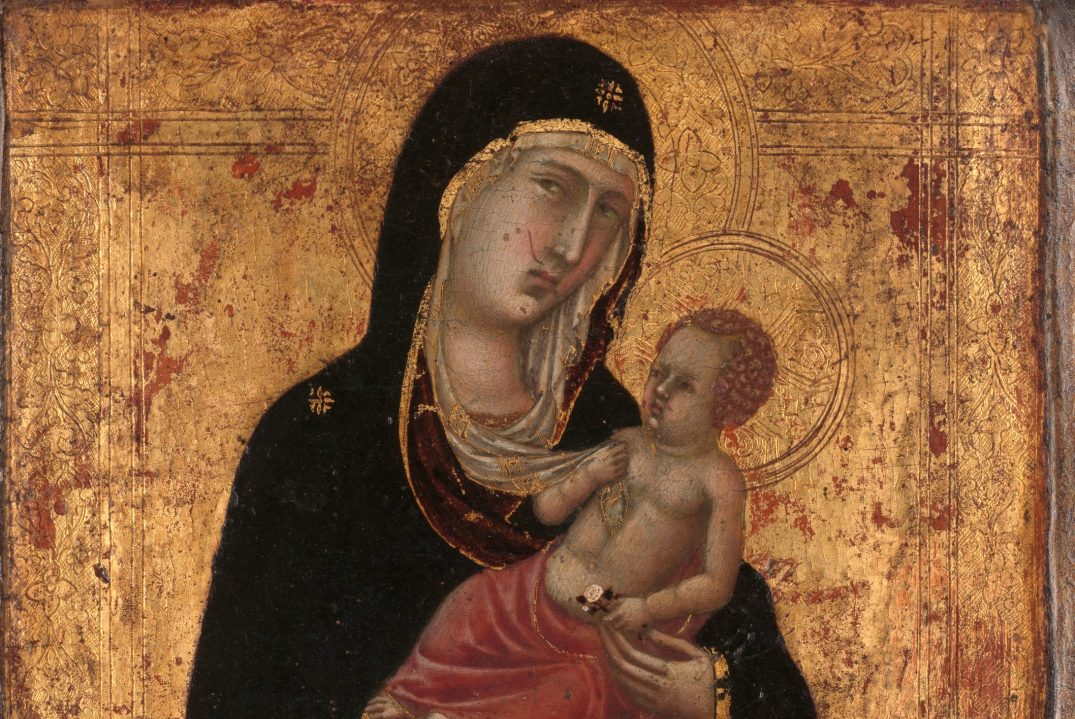
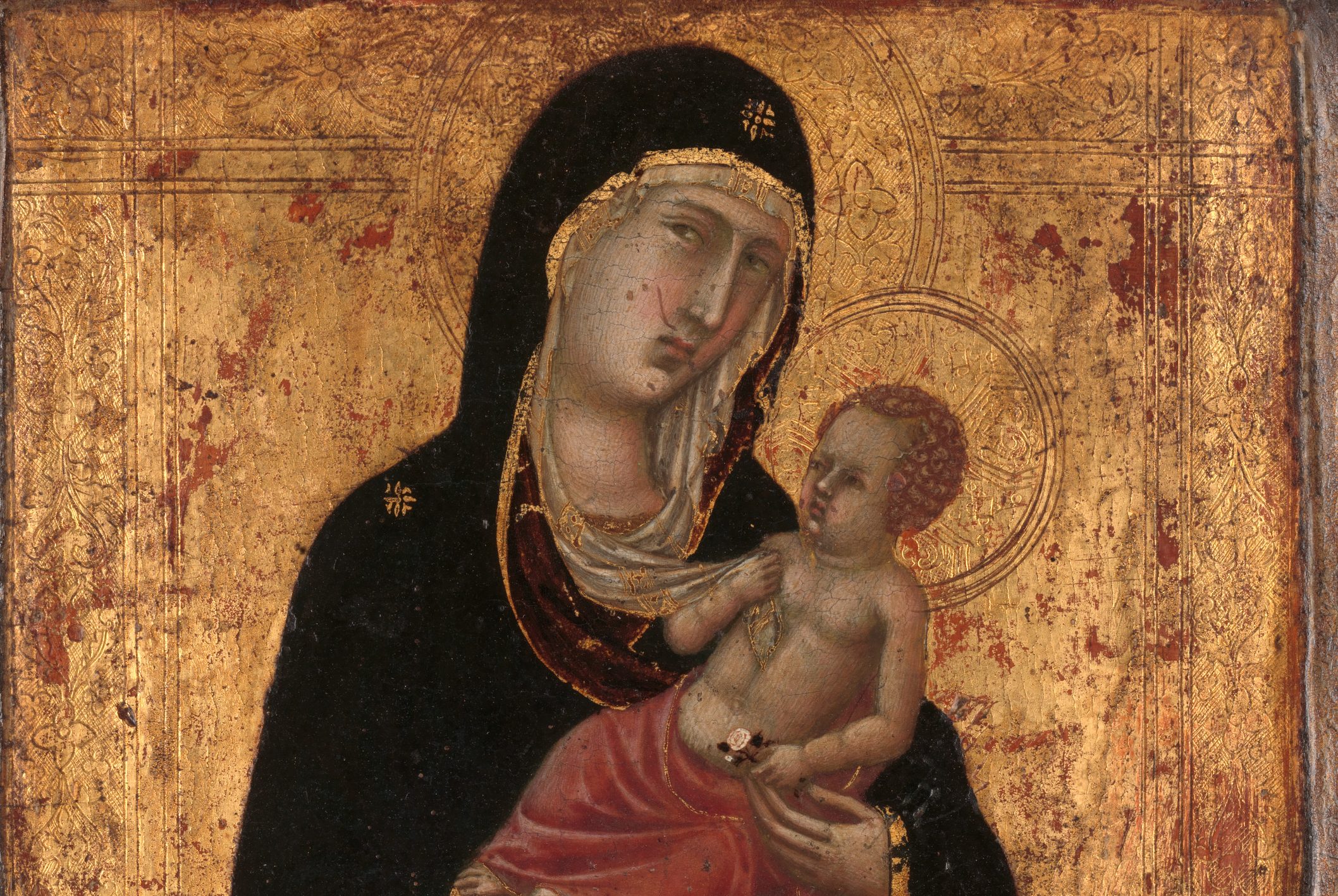
A popular and poignant Christmas song, written late in the previous century for a church’s holiday program, incites passionate criticism from those who disagree with the way it phrases its message.
Since first being recorded in 1991, “Mary, Did You Know?” has been performed by soloists and groups ranging from Carrie Underwood and Dolly Parton to Pentatonix, CeeLo Greene and Kathleen Battle. The lyrics are a series of questions to Mary, Jesus’s mother, asking whether she knew during his infancy about the profound impact he would make as an adult.
Yet that powerful literary device annoys those who believe the song demeans its subject.
Among them are “woke” Christians such as Michael Frost, a Baptist minister and theologian who calls it “the least biblical, most sexist Christmas song ever written”: least biblical because it ignores Gabriel’s proclamation to her that her son would be the savior, and most sexist because it renders Mary as no better than a helpless child.
“One of the most common expressions of everyday sexism is the infantilization of women,” Frost wrote, “. . . Could you imagine a song asking Abraham 17 times if he knew he’d be the father of a great nation? Would we sing ‘David, did you know you’d rule the kingdom of Israel?’”
Jennifer Henry, an Anglican theologian and activist who identifies as queer, mocked the lyrics by rewriting them to fit the “woke” agenda, thereby ignoring Mary’s son entirely. Some examples:
“Did you know that your holy cry/ Would be subversive word?/ That the tyrants would be trembling/ When they know your truth is heard?”
Henry designed her revisions not to inspire faith but to ignite calls for “justice” and “liberation.”
Traditionalist Catholics, on the other hand, feel offended because of these lyrics in the original song:
“Did you know that your baby boy/ Has come to make you new?/ This child that you’ve delivered/ Will soon deliver you?”
Those lyrics contradict the Catholic dogma of Mary’s immaculate conception, which asserts God protected her from original sin.
“But if Mary is a sinner in need of a savior, then she cannot be the worthy vessel in whom the All-Holy God takes on human nature as the Word Made Flesh,” wrote the Rev. Robert McTeigue, a Jesuit academic. “In other words, the lyrics depend on the dogma of the immaculate conception being false. If Mary needs a savior, then she cannot be the vessel of the Incarnation. And ‘No Incarnation’ = ‘No Christmas.’”
Deacon Steven Greydanus, a writer for the National Catholic Register, dismissed the song as “Protestant in sensibility, without the Marian piety of Catholic hymnody and spirituality, emphasizing Mary’s ordinariness rather than her extraordinariness,” he wrote in 2015.
Well, the lyrics’ author, Mark Lowry, belonged to the Gaither Vocal Band, a Gospel music group. Lowry wrote them for a holiday program in 1984 at the Thomas Road Baptist Church in Lynchburg, Va. That church provided a platform for its fundamentalist pastor, the late Rev. Jerry Falwell, founder of Liberty University and the Moral Majority, a now-defunct political lobbying group. So expecting a fundamentalist Baptist congregant to view Mary through a Catholic lens is patently absurd.
The Frosts, the Henrys, the McTeigues, the Greydanuses and their ideological kindred fail to understand the song’s power. In addressing their questions to Mary, the lyrics actually address them to us. These ideologues miss the fact that their criticism reveals more about their own biases than those of the song’s listeners.
During perhaps the most hectic season of the year, do we really take time to contemplate the astounding life Mary’s baby led and the implications of his teaching? Can we cut ourselves away from much of the sentimentality surrounding the nativity story – let alone our own biases – to see that this special baby would grow up to face profound personal sorrows, create powerful enemies, and allow himself to die a bloody, excruciating death for a crime he never committed?
Perhaps most importantly, how do we respond to the ultimate challenge Christianity poses, that God intended such a death to rescue the human race from itself?
“The world celebrates Christmas without understanding it,” Pastor Rich Bitterman wrote on Substack. “They decorate with snow that never falls in Bethlehem. They hum carols about peace but refuse to bow before the Prince of it. They toast to goodwill and never meet the God who alone can give it. The birth they sentimentalize is the very birth that demands repentance. It is not soft or quaint. It is thunder wrapped in swaddling clothes.”
Frost complained that “Mary, Did You Know?” detracts from what he called the “radical and scandalous” nature of the nativity. Yet he fails to realize that “Mary, Did You Know?” is radical and scandalous in its own right. It demands its listeners take the nativity’s implications seriously, and it exposes the intellectual narcissism of ideologues who refuse to recognize anything that fails to conform to their paradigms.



Comments