‘As anyone who has gleefully spotted a typo in a prestigious publication, felt a flicker of schadenfreude at a pompous critic’s downfall, or secretly enjoyed a literary scandal knows, it is possible to love books while delighting in their disasters.’ The sentiment expressed in Rogues, Widows and Orphans is familiar to this reviewer. Rebecca Lee, who has been an editor for two decades, knows very well how words ‘get good’ (to quote the title of her earlier book) and what happens when they go wrong. Her new work ‘offers a lick of every flavour of ick lit’, leaving the reader craving more.
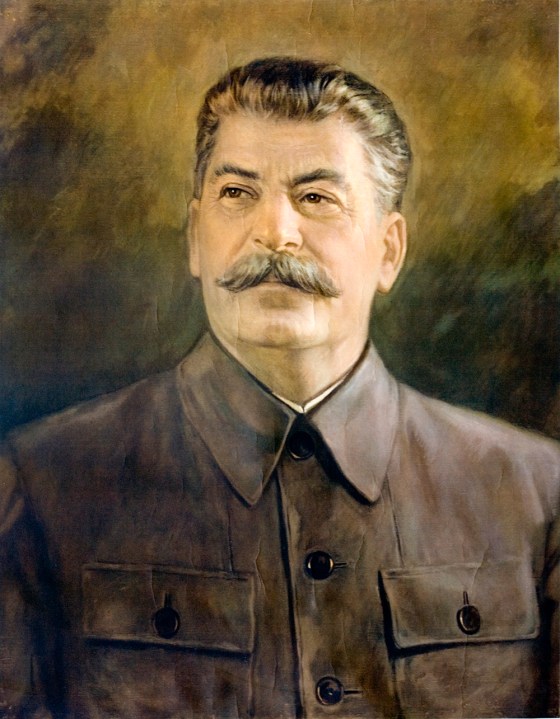
Errors and omissions in print have consequences for everyone involved. The publishers of Winston Churchill’s The Gathering Storm (1948), we learn, were able to correct a typo the author spotted at the last minute. ‘The poop of the French nation’ didn’t make it into the book, which correctly describes the French army as the ‘prop’ of said nation. Lee doesn’t tell us what, except for the author’s ire, befell those responsible. Nor does she mention that around the same time typos formed a separate genre in totalitarian societies. Any mistakes that concerned Churchill’s Soviet counterpart, Joseph Stalin, were deadly. When the 25 October 1944 issue of Pravda Vostoka misspelled the leader’s military rank, ‘commander-in-chief’ (whereby it, too, was reduced to toilet humour), most of the print run was destroyed and the editorial team shot.
Each chapter of Rogues, Widows and Orphans deals with a particular problem: typos, imperfections of style, errors of judgment, plagiarism and so on. In ‘Bad Taste’ we are presented with spectacularly hopeless specimens of writing, from Irene Iddesleigh, a 1897 novel by Amanda McKittrick Ros, to William McGonagall’s notorious poetic tribute to the Tay Bridge disaster, to Morrissey’s debut novel List of the Lost, the winner of the 2015 Bad Sex Award. We are also urged not to ‘discount the joy of tapping into the communal “ick” factor’, which helps us understand why writing fails – and, consequently, understand writing better. Lee doesn’t seem to mind if we achieve this at her own expense. ‘What a terrible sentence,’ she winks at us. ‘Judge away!’
‘Bad Takes’ is not so much about bad writing as about evil attempts to censor writing, whether bad or good. Several classic stories – the Lady Chatterley trial, the Doctor Zhivago affair, the Lolita phenomenon – are recapped here. Another censored book, The Well of Loneliness by Radclyffe Hall, a 1928 novel about two women in love, is assessed for its literary qualities. The judge who banned it noted that it was well executed and therefore dangerous; decades later, Jeanette Winterson called it ‘one of the worst books yet written’.
Lee takes us on a ‘tour of literary malfeasance’ in a chapter that has plagiarists rubbing shoulders with book thieves and pranksters. Who owns the words on the page? Is there any difference between T.S. Eliot borrowing from Shakespeare in The Waste Land and the Australian author John Hughes using unacknowledged material from Leo Tolstoy, F. Scott Fitzgerald and Svetlana Alexievich in his 2022 novel The Dogs? In the interview quoted here, Hughes calls his alleged model ‘The Wasteland’, before trying, not very successfully, to defend his creative process.
There are also hoaxers here: some well known, such as Thomas Chatterton, who passed off his poems as 15th-century verses; some less so, such as James McAuley and Howard Stewart, who ‘deliberately perpetrated bad verse’, attributing it to Ern Malley, a poet of their own invention. Lee also touches on ‘voracious, faceless’ large language models, which may or may not be the worst of the ‘bad apples’ she exposes.
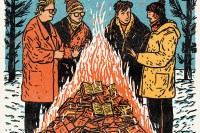
When Pravda Vostoka misspelled Stalin’s military rank, the editorial team was shot
Reviews, an inextricable part of the literary ecosystem, are duly discussed. Venturing into Amazon, Lee shares her favourite, of John Steinbeck’s The Grapes of Wrath: ‘This is a great book. Very well written and important. I hated it.’ Writerly squabbles are no less entertaining. Reading that ‘Hemingway and Fitzgerald’s feud was about the actual nuts and bolts of writing’, I couldn’t help wondering if the pun was intended as I remembered the scene in A Moveable Feast in which Hemingway asks his friend to drop his trousers to reassure him about his build.
The title of the final chapter, ‘Bad Endings’, may sound ominous, but it doesn’t spell doom for literature. There are further amusing anecdotes: the wine press and the printing press, it turns out, are closely related; in other news, book borrowers in 1930s America were considered cheats and labelled ‘blifters’ or worse. AI threats notwithstanding, Lee concludes optimistically: ‘There will be no end, bad or otherwise.’
This ‘reader who reads not in hope or haste, but in judgment’ found Rogues, Widows and Orphans very readable indeed. The only omissions concern non-anglophone literature. Given the universal nature of the book’s subject, it would have benefited from more stories from other cultures. But what it sets out to do it does well, almost never letting a word go wrong.




Comments