
I have never watched Strictly Come Dancing. The thought of celebrities I’ve never heard of taking part in jolly japes and overcoming phoney struggles before prancing about in sequins left me cold from the start. In recent years, I found another reason not to tune in: a gnawing suspicion that BBC execs saw Strictly as a chance to ‘morally improve’ the plebs through Saturday night entertainment.
Every season features at least one celebrity with a disability. Paralympian Jonnie Peacock became the show’s first disabled contestant in 2017. Rose Ayling-Ellis won in 2021 despite being deaf; Chris McCausland, the first blind participant, took home the trophy three years later, while last year’s season starred Ellie Goldstein, a model and actress with Down syndrome. I’ve no doubt they are all lovely people, superb dancers and first-class entertainers. But there’s still that nagging sense that the producers are engaged in awareness-raising one-upmanship, testing how far viewers can be pushed before arching an eyebrow.
Those calling out Strictly for censorship have got it all wrong
Demonstrating inclusion to viewers at home also requires same-sex pairings, as first featured in 2020, and, obviously, at least one drag queen. La Voix appeared in the last series, fresh from a stint on RuPaul’s Drag Race. Forget dancing; Saturday night programming is, it seems, prime time for instilling more progressive attitudes in viewers.
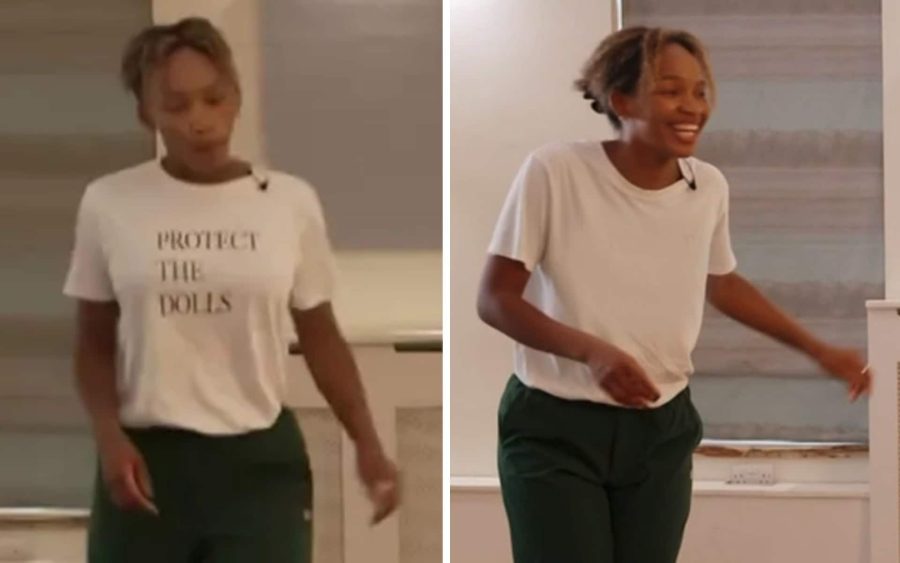
It should, therefore, come as no surprise to learn that one of this season’s contestants, House of the Dragon actress Bethany Antonia, was filmed rehearsing in a T-shirt bearing the transgender rights slogan ‘Protect The Dolls’. For the uninitiated, ‘Doll’ is a slang word for trans women, first coined in the 1980s New York underground LGBTQ ballroom dancing scene. More recently, activists have adopted the term in their demand that we ‘protect the dolls’, a call echoed on a T-shirt Labour cabinet minister Lisa Nandy wore at last year’s Wigan Pride march.
The ‘Protect the Dolls’ slogan is controversial, and it is not difficult to see why. ‘Doll’ is a cutesy word associated with girls’ toys; it feminises and infantilises adult males. Referring to a hulking bloke in a dress as a ‘doll’ is misleading, to put it mildly, and also taps into what many feminists – and some transgender-identifying people themselves – claim is a sexual fetish. Yet the slogan promotes the idea that these men, complete with male muscles and appendages, are at risk and in need of protection, not the women who are expected to relinquish their right to privacy in single sex changing rooms, toilets and refuges. Nandy sported her ‘Protect the Dolls’ T-shirt four months after the Supreme Court had ruled that, in law, ‘woman’ refers to a biological female.
What, then, was Antonia thinking wearing such a T-shirt for a filmed rehearsal that would be beamed into the homes of millions of viewers? It would be hard to blame her if she has come to believe that Strictly‘s real purpose is not mindless entertainment but political activism; after all, that seems to be the message of the show. But she must have known she was pushing her luck.
Thank goodness, then, that the BBC stepped in and did the right thing. It edited out the slogan on Antonia’s T-shirt from this week’s television show, although clips shared online briefly showed the original. Later edits now present the same scene filmed from a different angle, showing only Antonia’s dance partner, Nancy Xu.
Transgender activists are up in arms. Having first celebrated the unedited footage, they then took to social media a second time to complain of ‘a shameful and cowardly act of censorship’ when it was changed for the main show. ‘BBC in Strictly Trans Ban Row’ was the front-page headline of the Sun on Monday. Activists allege that the show’s producers have overstepped the mark, are curtailing Antonia’s freedom of speech and suppressing her right to show solidarity with the transgender community.
What rubbish. The BBC must adhere to strict impartiality guidelines and must not be seen to favour one side of a contested issue over another. Too often, the corporation has failed in this regard: think back to summer last year when producers at Glastonbury failed to cut the mic when singer Bob Vylan appeared on stage chanting ‘Death to the IDF’.
I’m a free speech absolutist, but those calling out Strictly for censorship have got it all wrong. Free speech doesn’t mean one-sided indoctrination from a publicly-funded corporation, but ruthlessly sticking to impartiality rules. The real Strictly scandal is not censorship but why a dancer was filmed wearing a political T-shirt in the first place. Those complaining now should be more honest: they do not really want free speech; they just want to see support for a cause they believe in. For once, the BBC has called it right. Unfortunately, that means I might just have to tune in to Strictly this Saturday night.


Comments