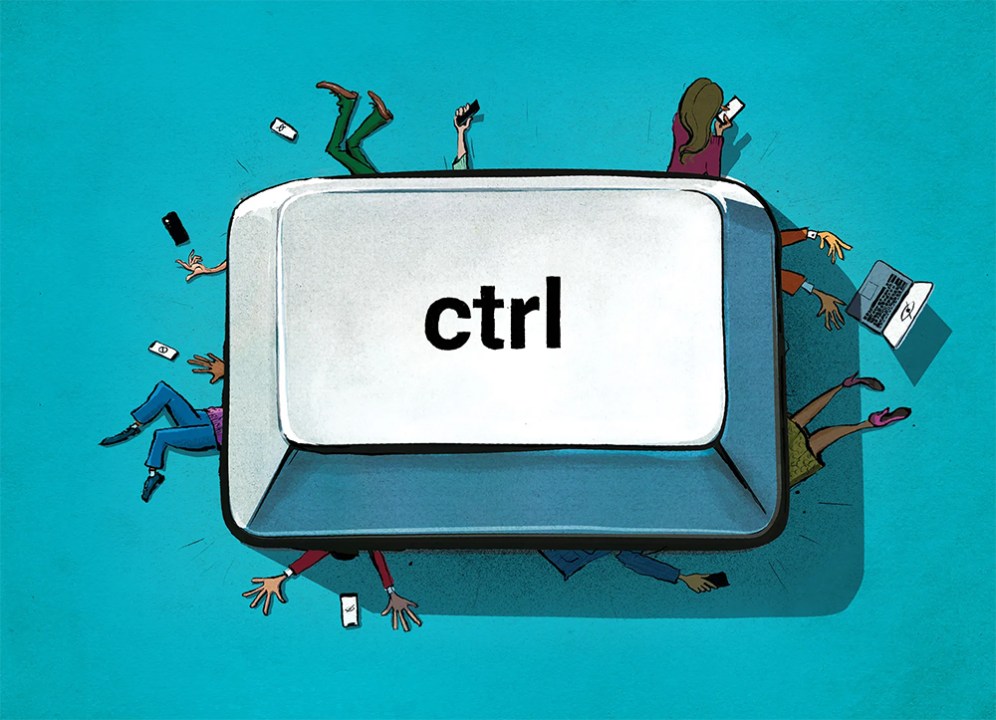


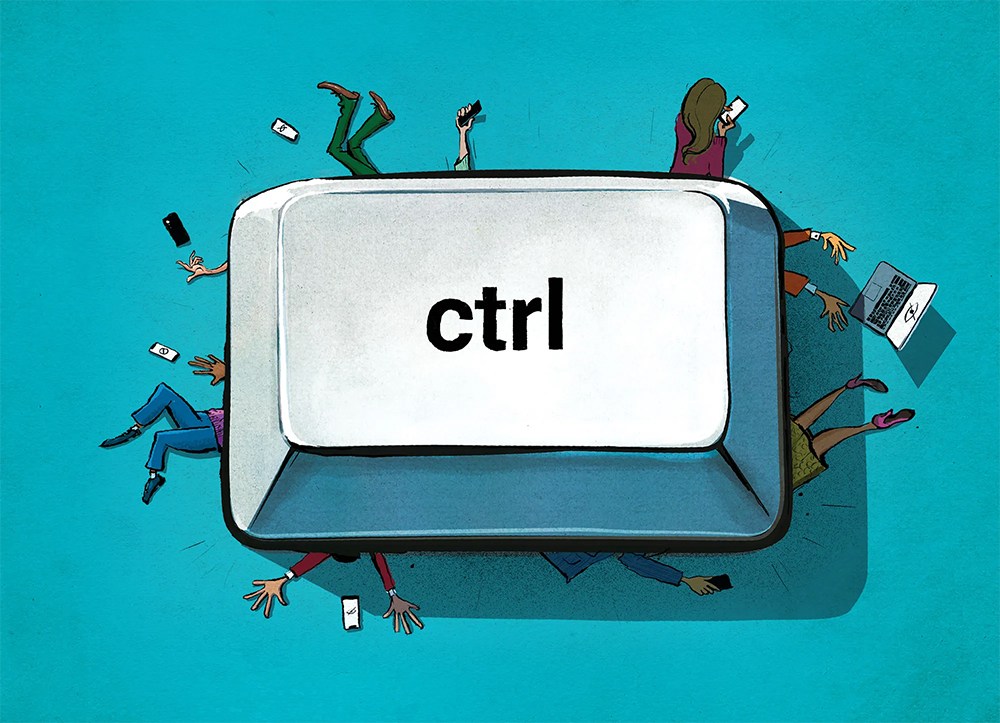
Back in January, I voted for a Conservative amendment to the Children’s Wellbeing and Schools Bill to restrict social media access for under-16s. After a bit of to-ing and fro-ing the amendment was withdrawn, but only because the government had agreed to do it.
Now that Lisa Nandy, the Culture Secretary, has announced she’s going to get on with it, I’m beginning to have second thoughts. I had persuaded myself that it would mean fewer restrictions for adult users, given that the most persuasive argument for censoring social media is to protect children from harm. But in retrospect that was naive. In an interview in the Guardian last week, Nandy described the ban as ‘a staging post to what must be a very active interventionist state, policing and regulating the online space so that people are safe’. Not just children, then. But ‘people’.
That sent a shiver down my spine. In the same interview, Nandy said the government will ensure that social media becomes ‘a force for good’ and promote online spaces that are ‘genuinely safe, inclusive and empowering’. She praised Sir Keir Starmer and Liz Kendall for their tireless efforts to fetter our free speech – I mean, keep people safe – but told us to expect a ‘step change’ under Andy Burnham. Apparently, arresting an average of more than 30 people a day for online speech offences and recording 65 ‘non-crime hate incidents’ – yes, they’re still doing that – isn’t enough. This is what Burnham meant when he talked about Britain becoming ‘a world leader in tech as a force for good’, Nandy said. And unlike other policies Burnham unveiled in his conference speech, this one isn’t contingent on winning an election.
How can we resist? I think our best hope is to frustrate the government’s efforts to reach this ‘staging post’. In Australia, the social media ban for under-16s has been largely ineffective, with around 80 per cent of children still using sites like TikTok, Snapchat and Instagram. Why? Partly because they’ve proved skilful at finding loopholes. For instance, the law bans them from having social media accounts, but not viewing them. Consequently, they can still watch videos on YouTube provided they’re not logged in. Two courageous teenagers are challenging the restrictions in the High Court on human rights grounds.
In the US, the efforts of various states to impose bans have run into legal difficulties and may not survive a First Amendment challenge in the Supreme Court. Meanwhile, 14-year-olds whose parents have banned them from messaging apps have started using the comments sections under podcasts on Spotify to communicate with each other. Earnest, eat-your-greens programmes, like those produced by National Public Radio, are particularly popular with teen girls because there’s less risk of their secret chats being discovered due to their vanishingly small audiences. In Britain, there are plenty of BBC podcasts that could serve the same purpose.
14-year-olds have started using the comments sections under podcasts to communicate with each other
If all else fails, children can simply use VPNs. In the Lords, Baroness Lloyd of Effra, a junior minister, has said the government has ‘no current plans to ban the use of VPNs’, which is just as well considering how many Whitehall departments use them. Nandy may rethink that policy but that would put Britain in the same company as North Korea, Belarus, Myanmar and Turkmenistan. Perhaps those are the ‘world leaders’ that Burnham hopes to eclipse when it comes to censorship. I was at a free speech conference in Nashville last week and listened to a talk by an Iranian refugee who’d smuggled thousands of Starlink terminals into Iran to overcome the internet blackout imposed during the recent protests. I took his card in case we ever need him in the UK.
We can at least count on the government’s poor understanding of ‘tech’. When Jess Phillips resigned as a Home Office minister in May, she criticised Sir Keir for not moving quickly enough to make companies such as Google stop children taking and uploading naked pictures of themselves. She said her civil servants had assured her this could easily be done. Sure enough, Nandy said last month that the government planned to force phone companies to block people uploading nude selfies. In fact, according to my techie friends, it’s very difficult to prevent, particularly if it applies only to children. It’s a safe bet that the blueprints Nandy’s officials come up with to limit under-16s’ social media use will be just as technically illiterate.
We are ruled by self-righteous do-gooders who have no idea how the world works. Westminster has been invaded by the Salvation Army.




Comments