What is it in our interests to do about immigration? The ancient Athenians came up with an interesting answer.
Any non-Athenian who wanted to take up residence in Athens had to register as a metoikos (‘one who changes home’, metic) with the state and their local authority. They paid a monthly tax, were liable for military service, but could not own land or engage in politics. They had to find themselves a citizen sponsor, to support their application for metic status and (possibly) to continue to sponsor them when it had been granted. A metic thought not to have a sponsor risked enslavement.
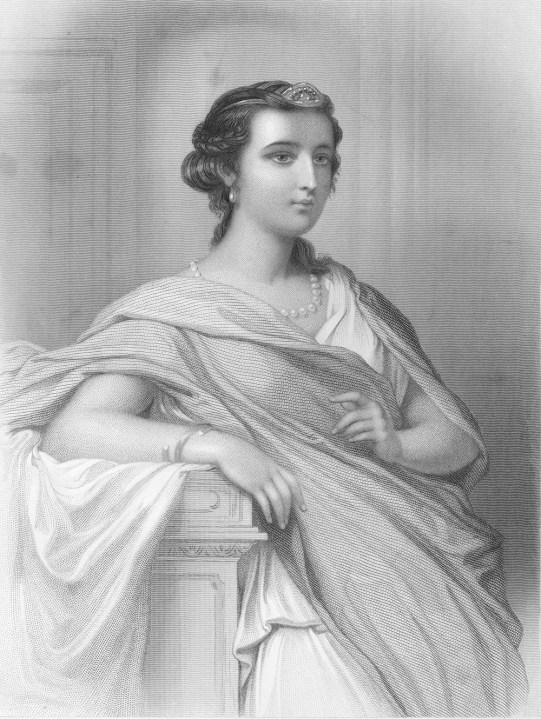
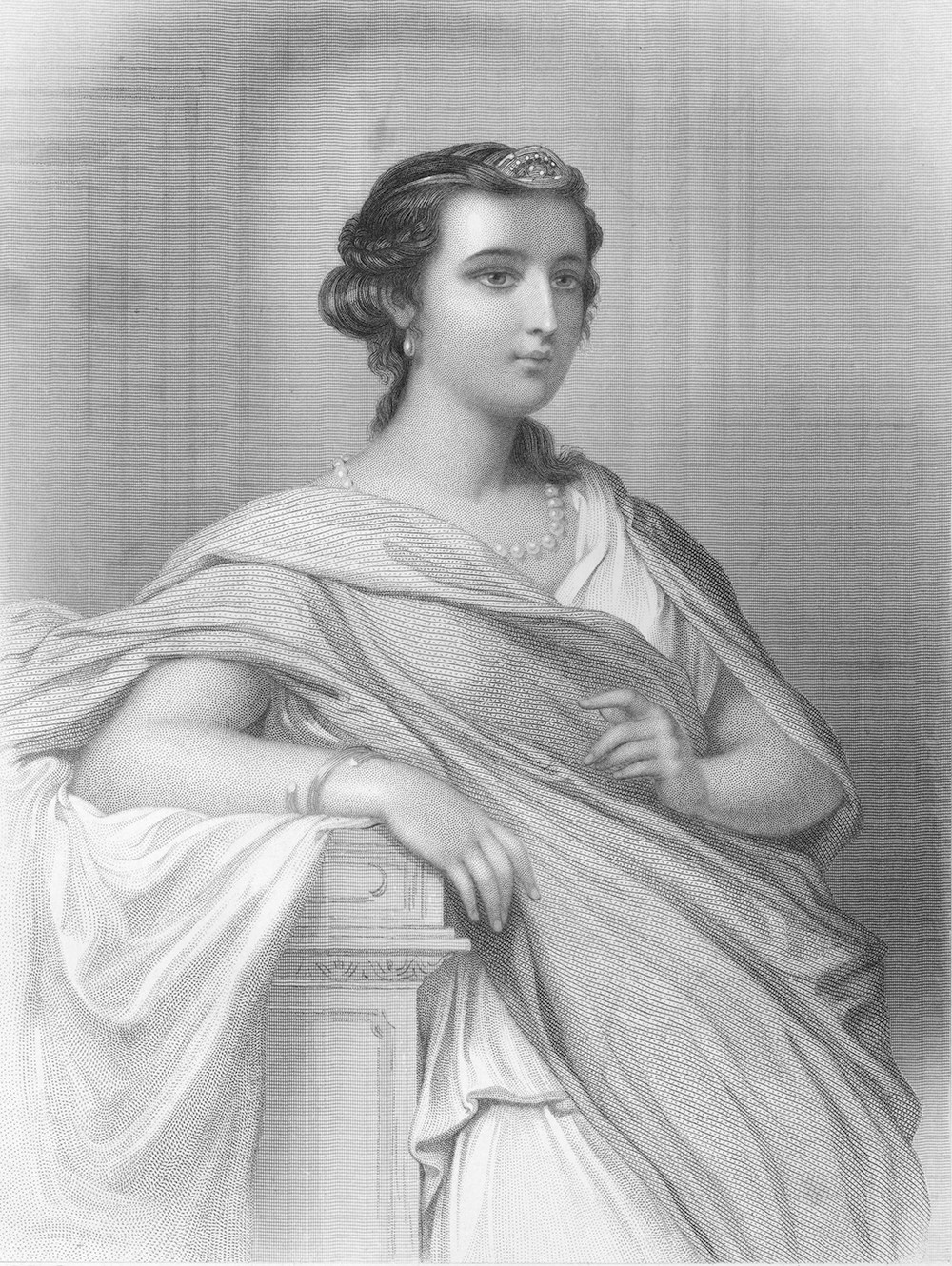
The purpose of all this was to ensure metics did not get ideas above themselves. It was a privilege for them to live in Athens, and they were welcome enough, but on strictly subordinate terms. That, however, did not prevent them from coming. Athens was a powerful, flourishing, ‘international’ city: there was money to be made from being part of it. Since metics could not own land, they started up businesses in Athens and especially its harbour area Piraeus, a prolific trading centre. Success, combined with decent, orderly, law-abiding behaviour, reaped its rewards in social mobility. Aspasia from Miletus, an intellectual in her own right and the mistress of Pericles, was a metic. So too was the Syracusan Cephalus, who made a huge fortune from arms manufacture in Athens (Plato’s famous dialogue The Republic was set in his house). Intellectuals like Protagoras flocked to Athens to make money as teachers (‘punishment is inflicted by a rational man not for the sake of the crime that has been committed but for the sake of the future’). The purpose of the ancient state was to protect and advance the interests of its own citizens, not anyone else’s. It dealt with metics purely on the basis of the advantages they could bring, which could be many. The concept of a sponsor, perhaps to go bail for good behaviour, is particularly interesting. Marching members of the Green party would surely feel privileged to take on that role.






Comments