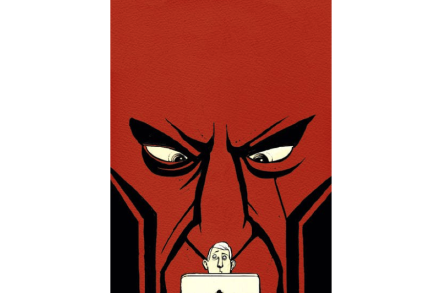
Who are today’s fictional heroes?
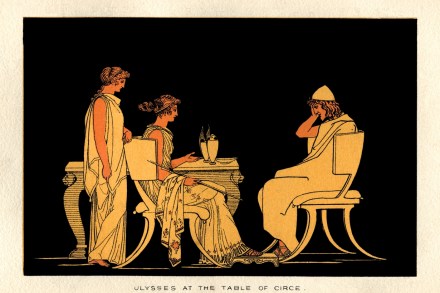
What’s a hero? There are probably at least two answers to that. One is that heroism is a moral quality: to do with courage above all but, in its wider connotations, to do with altruism or protectiveness and self-sacrifice. The answer that probably precedes that one, though, is a more technical, narratological one: the hero is the star of a story. In storytelling terms it’s a matter of narrative focus, and the reader’s implied identification with one character above the others — or, perhaps, admiration rather than identification. Heroes are bigger, braver, more purposeful, more important than the ordinary run of humanity. It happens that on the whole the aforementioned moral qualities have come to be attached to heroes.