Isabel Hardman

Isabel Hardman

Isabel Hardman is assistant editor of The Spectator and author of Why We Get the Wrong Politicians. She also presents Radio 4’s Week in Westminster.

Breaking: Tom Watson resigns

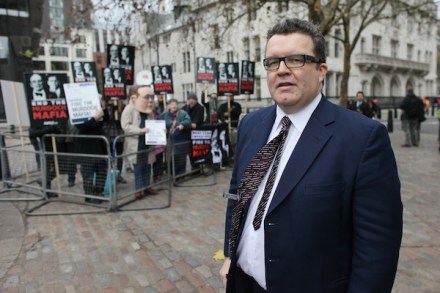
Tom Watson has announced he is standing down from his role as Labour general election co-ordinator. You can read the full text of his resignation letter to Ed Miliband below. Given the letter says he offered to resign on Tuesday, the lines prepared by Miliband on Watson for yesterday's PMQs make a little more sense now. James also reveals in his column this week that 'several of those close to Miliband have doubts about [Watson's] work rate and priorities' when considering whether he should be running the party's 2015 campaign. Dear Ed, I said that I’d stay with you as general election co-ordinator within the Shadow Cabinet as long as I was useful. I think it would be a good idea for you, and me, if I stood down from the role now.

Hague stays vague on Egyptian coup

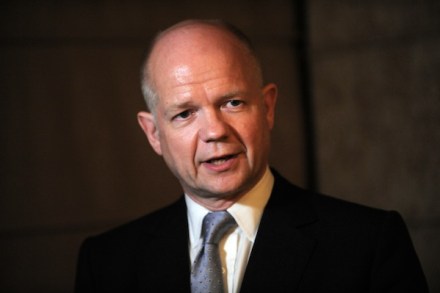
William Hague was as circumspect as he possibly could be about the situation in Egypt in his Today interview. He insisted that Britain would work with whoever was in power in the country: 'We recognise states, not government and of course we recognise the state of Egypt and we have to work with whoever is in authority in Egypt, we have to do that for the safety of British nationals, we have to do that because there are so many British companies there, so there isn't really any question of not recognising a particular government.' Hague has very little choice, but there are also precious few rewards for a Western country that tries to ally itself with one group or another in these situations. There are plenty more twists and turns to come for Egypt.

EU referendum plotting meeting: exclusive details

As trailed on Coffee House yesterday, MPs in favour of an EU referendum met today to discuss how to advance James Wharton's private member's bill and how to pressure Labour and the Lib Dems to change their stance on the issue. I hear colleagues from all parties agreed with Wharton's warning that amendments in the Commons could endanger the Bill, while the Stockton South MP also suggested that though trouble looms in the Lords, any attempts to wreck the legislation there could provide a nice opportunity for a debate about the legitimacy of the Upper Chamber turning down legislation sent up from the Commons. As with gay marriage, dark mutterings about what could happen to this Bill once it reaches the Lords could prove unfounded.

How Peter Mandelson’s HS2 intervention will change the debate – and how it won’t

Peter Mandelson's surprise rejection of high-speed rail in this morning's FT is another sign that the wheels are coming off this project. But while the project's critics on the backbenches - particularly those on the Tory side such as Cheryl Gillan and Michael Fabricant who are campaigning vociferously against the plan - will be thrilled, the continuing cross-party consensus means you won't hear Cameron being probed on this at Prime Minister's Questions, for instance, or Maria Eagle castigating Patrick McLoughlin at the next departmental question time in the Commons. But Mandelson's concerns about the project are about its spiralling cost, not the impact on one MP's constituency (or their majority, for that matter).

‘Weak, weak, weak’ Labour will have to avoid looking panicked on any referendum pledge

David Cameron's statement on the European council was another example of how easy it is at the moment for the Tories to portray Ed Miliband as a weak leader. He made it perfectly clear what he wanted those watching to take away by stealing Tony Blair's 'weak, weak, weak' line in 1997 when attacking John Major (which is well worth watching again). Today the PM told the Commons that Ed Miliband's position on Europe could be summed up in three words: 'weak, weak, weak'. He said: 'What I thought was interesting about the right hon. Gentleman’s response was that we heard not a word about the referendum that we are going to discuss and debate on Friday. I think I know why. The right hon.

‘Who governs Labour?’ is perfect new Tory attack line on Miliband’s weakness

A row in Labour over union influence that doesn't benefit the Tories in some way is as rare as hen's teeth. But the latest revelations about Unite's attempt at 'transforming Labour' (as reported by Rachel Sylvester in her explosive Times column) are even more of a gift to the Conservative party than usual because they feed perfectly into the line of attack the party has chosen. As Coffee House reported recently, Lynton Crosby told Tory MPs that he wanted to focus on Miliband's weaknesses as leader, identifying clear weak spots rather than the 'he makes the coffee' line. That the unions are enjoying such success in stitching up the selection process contributes to that impression of weakness, particularly if Miliband finds himself unable to do anything decisive.

Pro-referendum MPs to plot for Labour and Lib Dem manifesto commitment

MPs from all parties who want a referendum are meeting this week to discuss how to get a pledge into the Labour and Lib Dem manifestos, I hear. The All-Party Parliamentary Group for an EU referendum will meet tomorrow, partly to look ahead to James Wharton's Private Member's Bill on Friday, but also to draw up a strategy for a referendum commitment from the other two parties. Speaking alongside Wharton at the meeting will be Labour's Kate Hoey and Lib Dem John Hemming, who backed John Baron's Queen's Speech amendment. Labour donor John Mills, who the Times reports this morning as warning that his party could lose the next election because it hasn't offered voters a choice, will also speak.

Liam Byrne lets IDS aim for his weak spot on welfare

Liam Byrne chose an interesting line of attack at a very testy Work and Pensions Questions today. The whole session had been rather like a mounting pile of passive aggressive notes on a fridge, with ministers rising to answer questions by saying 'I'm glad the honourable member has asked me about such and such a policy because it gives me the opportunity to cite new figures showing we're doing very well and that the last Labour government made a terrible mess of everything'. Byrne decided to raise the underoccupancy cut/'bedroom tax'/'spare room subsidy' as his topical question. Here is the exchange: Liam Byrne: I wonder if the Secretary of State will tell the House whether he thinks the bedroom tax is proving a runaway success?

Do pay rises really lead to better MPs?

It was entirely predictable that any MP who opposes a pay rise or wants to show how in touch they are with the public would seize the opportunity to say so today. Nick Clegg said he wouldn't take the raise himself at his new monthly press conference this morning, followed by Vince Cable, who told Sky News that 'I think everybody will understand the wider context and the attitude of the public, which I think will be very hostile if the political class decides to put its own interests first'. Former minister Tim Loughton, while suggesting he might withdraw his amendment to the Finance Bill calling for tax breaks for married couples, also said a raise would be 'completely inappropriate'.

Cross-party EU referendum campaign aims to counter partisan problems

The Tory campaign on James Wharton's EU referendum bill has been very slick but very partisan - I examined some of the problems with this last week when eurosceptic Labour MP John Cryer announced he had been put off by the Let Britain Decide campaign and would abstain on the bill. So today campaigners in favour of a vote launched a cross-party campaign called I Support a Referendum. They hope that their emphasis on the referendum itself rather than the party politics will help bring MPs from other parties into the fold where previously they felt excluded. Wharton was present at the launch, and he insisted that he was keen for MPs from any party to back his legislation.

Will Tory party calm survive MP pay row?

Coffee House readers will be unsurprised by the interest taken by the newspapers and the Today programme in MPs' pay: this blog predicted that it could be the next big row in the Conservative party at the start of June. It is politically sensible for the Prime Minister to say that he disagrees with a pay rise recommended by Ipsa if it raises overall costs, even if he has no formal veto over a raise. All he can do is send a formal response to the pay consultation. But he will need to work hard to keep his party behind him, and so will the other party leaders.

Food banks and political failure

Are food banks a scandal? For this week's Spectator, I visited the Salisbury food bank, set up in 2000, to find out what causes families to turn to these charities. I must admit that when I arrived at the headquarters of the Trussell Trust, which runs many of the food banks in this country, I was expecting to meet more angry people, spitting fire about the cruel government. Instead I interviewed Chris Mould, the Trust's chief executive, who was so unremittingly positive about the work that food banks do that I ended up writing a rather different piece than the one I set out to do. True, Mould was unimpressed with some of the government's benefit cuts, which he worries will have unintended and costly consequences.

Why it’s wrong to be ashamed of Britain’s food banks

The very existence of food banks is taken as proof of something rotten in Britain. If Brits are queuing for charity food parcels, the state has failed. Labour MPs brim with righteous anger: they call the rise of these charitable centres a ‘scandal’. David Cameron, for his part, wishes people would stop talking about them. The political consensus is that having anyone depend on charity handouts is a disgrace. But that’s not what those who use the food banks think. Nor is it an opinion shared by those who run them. The Trussell Trust, now the biggest food bank provider, regards its growth as a sign of success. Standing in a warehouse crammed with tinned food, the Trust’s chief executive Chris Mould says his mission is to open a food bank in every town in the country.

Ed Balls’ shouty spending review response avoids difficult dividing lines

listen to ‘Spending review 2013: the Coffee House analysis’ on AudiobooEd Balls had a rather shouty time in the Commons this afternoon when he responded to George Osborne's spending review statement. It was a shame, because his lack of variation in tone and pace from 'angry bellow' level made what wasn't a bad response a little difficult to follow. These responses to budgets, autumn statements and spending reviews are very difficult for any shadow chancellor or opposition leader to carry off well: you have no warning of what the Chancellor will say, and just the length of the speech itself to re-shape your pre-crafted speech and collect your thoughts.

Spectator Syria debate: Should the West intervene?

Should the West intervene in Syria? This week's Spectator debate on this topic saw an impressive swing of opinion in the audience once the speakers had made their cases for and against intervention. All agreed that the first part of the motion debated - 'Assad is a war criminal: the West must intervene in Syria' - wasn't in doubt, but while Sir Malcolm Rifkind, Dr Wael Aleji and Dr Alan Mendoza argued that the West had a clear case for intervening in various ways, Sir Andrew Green, Dr Halla Diyab and Douglas Murray argued that intervention would not improve the crisis at all. Alan Mendoza, founder of the Henry Jackson Society, argued that the case against intervention ignored what had happened in Syria since the conflict began.

Julia Gillard defeated by Kevin Rudd in Labor leadership contest

Julia Gillard has lost a leadership ballot in the Australian Labor Party to former Prime Minister Kevin Rudd. She called the contest to bring an end to the battles in her party - and in doing so has lost her job. Before the vote, she said: 'Anybody who enters the ballot tonight should do it on the following conditions: that if you win you're Labor leader, that if you lose you retire from politics.' She added that 'tonight is the night'. But the official results, announced in the last few minutes, saw Rudd taking 57 votes, and Gillard only 45.

Spending review dividing lines: who and what to watch

One set of businesses are already feeling the pain from the successful completion of the spending review. Westminster pizza outlets have come to rely on large orders from the Treasury the night before a spending review or Budget announcement, but the deal was sealed on Sunday night, and so all was calm last night in Westminster. George Osborne still snuck in a cheeky burger and chips (and thought it a good idea to tweet a slightly unappetising picture of himself tucking in), but that was as he made his finishing touches to the speech itself, rather than an attempt to keep going through last-minute negotiations with an angry Cabinet colleague. Parliament will be buzzing, but we're unlikely to get much more detail today beyond how much each department will cut.

Exclusive: partisan EU referendum campaign dampens Labour support

The Tories are putting off Labour MPs from backing their Private Member's Bill on an EU referendum with an overly partisan campaign, Coffee House has learned. John Cryer, who chairs Labour for a Referendum, tells me that he won't be voting for the Bill because the Conservatives have turned it into a party political campaign to shore up their own position, rather than one that genuinely promotes a referendum. He says: 'I'm not voting for it, I'm abstaining. I think the way the Tories have approached it is very party political. I can understand it in a way because they want to be in a position where they are offering people a choice, they want to try to push other parties on that policy.

Conservative members send ministers EU reform shopping list

David Cameron will come under increasing pressure in the next few months to publish his 'shopping list' of reforms he wants from a renegotiation of Britain's relationship with Europe. Even those who want to know what the Prime Minister is really thinking accept that this is not a good idea, as he would neither satisfy the spectrum of views across his party, nor impress them when he returned with only 14 out of 20 demands granted (even if those 14 reforms were very impressive ones). But the Tory party has been consulting its members on the powers that they would like to see returned to national governments. I've got hold of the results, which underline how big the expectations are on Cameron to bring about big change in Europe.