Uae

The UAE and Oman could be the big winners from the Iran war

Sixty years ago, I first gazed out on the Strait of Hormuz from the Musandam peninsula of Oman. I was there as private secretary to my godfather, Selwyn Lloyd, who had been Britain’s foreign secretary during the Suez Crisis. The previous evening our host, Sultan Said bin Taimur, the ruler of Oman for nearly 40 years, commented gloomily: ‘When two fish are fighting in these waters, the British are behind it.’ I estimate that I must have made at least 250 visits to the Gulf states in the intervening six decades.

Are the Abraham Accords working?

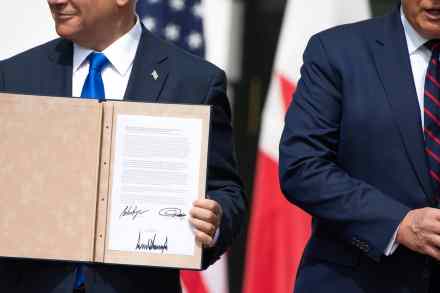
Two years ago, UAE citizens were barred from entering Israel. No longer. The inaugural Emirates flight touched down in Tel Aviv last week, a Boeing 777 carrying 335 passengers. For much of the 20th century, the only thing that the Middle East could agree on was the destruction of the Jewish state. But attitudes are changing. The purported reason is the so-called Abraham Accords, signed in 2020 after Donald Trump decided to solve the seemingly intractable problem of the Middle East. If Don the Dealmaker couldn’t do it, who could? Seven decades of antagonism had failed, the White House argued, and the Palestinian cause seemed as troubled as ever, so why not try a different approach?

Boris is right to ask for Saudi oil

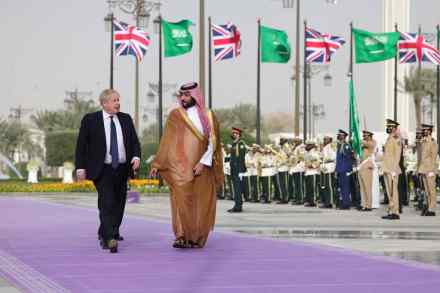
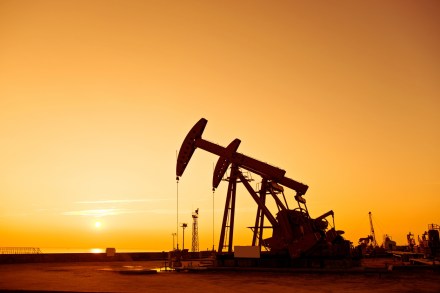
War and virtue don’t mix well, especially when it comes to the dirty business of energy supplies. As soon as the Ukraine situation turned nasty the UK government quietly did a turn on winding down North Sea gas, and may possibly do the same on fracking. And, having sworn off Russian hydrocarbons, Boris is now looking for urgent supplies. In doing so he is talking to some pretty doubtful regimes. Yesterday he visited Saudi Arabia and Abu Dhabi; he has also put out feelers to Qatar. Opposition parties have made hay. In Scotland, opposition to North Sea gas and ‘extreme fossil fuel ideology’ has come from both Nicola Sturgeon and her delightfully titled ‘minister for zero carbon buildings, active travel and tenants’ rights’, Patrick Harvie.

Israel’s changing global fortunes

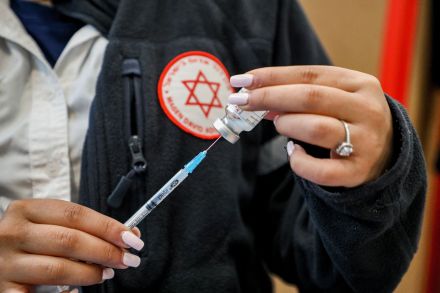
Israel has been working closely with other countries and international companies, developing and producing vaccines against Covid-19. At the same time, the Middle Eastern country is rapidly improving relations with its Gulf neighbours, the latest evidence being the appointment of a new UAE ambassador to Israel. A major shift has taken place in Israel — 20 years ago the country was under siege from terrorists, with bus bombings rocking Jerusalem and terror attacks in the heart of Tel Aviv. Just a few years ago Israel was fighting a major war in Gaza against Hamas, a war that is the subject of an inquiry by the International Criminal Court. For many years Israel has attempted to re-brand itself using public diplomacy and showcasing its tech sector and vibrant society.

Have Arab nations forgotten about Palestine by accepting Israel?

The Palestinians are entering one of the most precarious periods in their nation’s history. The normalisation of relations between Israel and the United Arab Emirates is only the beginning as other Arab and Muslim states are expected to follow. Yesterday, Haidar Badawi Sadiq, spokesman for the Sudanese foreign ministry, confirmed talks between Khartoum and Jerusalem and predicted a treaty before the end of the year. Today, Sadiq was fired and the ministry denied all knowledge of secret negotiations. Maybe Sadiq spoke out of turn; maybe he jumped the gun; maybe he floated the test balloon that he was told to. No matter.