Saudi arabia

Does Trump really have ‘whatever it takes’ to win in Iran?

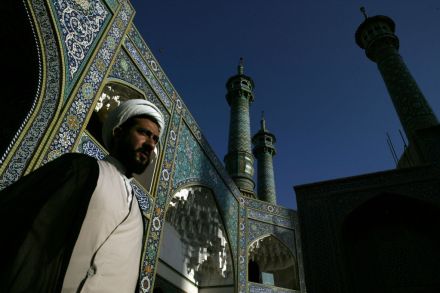
With Operation Epic Fury in its sixth day, it is hard to tell how long the current United States military campaign against Iran will last. It may not be swift; yesterday, the Senate rejected a resolution to halt further action. Meanwhile, President Trump has been alarmingly indifferent to the question: Whatever the time is, it’s OK, whatever it takes. Right from the beginning we projected four to five weeks, but we have the capability to go far longer than that. We’ll do it. Secretary of Defense Pete Hegseth struck a different note with reporters: “This is not Iraq, this is not endless.” Yet he has refused to rule out deploying

iran

The Gulf states have a big decision to make about Iran

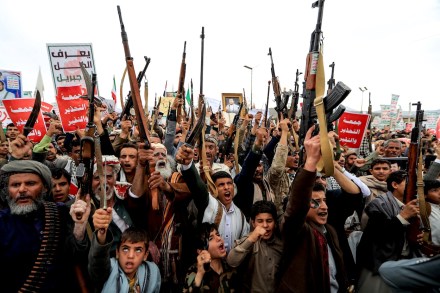
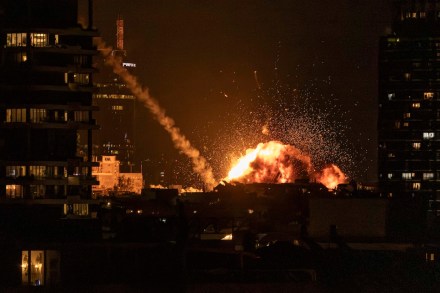
Iran threatened harsh retaliation in the wake of the American-Israeli attacks that killed the country’s supreme leader and many of its senior commanders. Its response consisted of a barrage of missiles aimed at Israel. So far, so predictable. Yet, at the same time, Tehran chose to direct its firepower at neighboring Gulf states, countries that have been encouraging diplomacy and warning against war. Iran’s actions are an object lesson in how to alienate your friends and neighbors. So far, they have continued to employ the rhetoric of de-escalation. But that’s untenable if Iran continues to target their territory The Iranians targeted Saudi Arabia, the United Arab Emirates, Qatar, Bahrain, Kuwait,

gulf

Iranian attacks aren’t worrying Washington

Many commentators are already claiming that the war with Iran is “spiraling out of control.” I try not to be uncharitable: I am a Catholic, after all, and the Church tells me it is a sin. But if I were tempted, I should say that the only thing spiraling out of control is cliché. You could argue that drone attacks are a sign that Iran’s ballistic and cruise missiles aren’t actually proving that effective Iran said it would hit out wildly if it were attacked. It also made clear that direct attacks on the leadership of the Islamic Republic would be treated as an existential threat. So why anyone is

Prince Andrew’s business blueprint for Trump 2.0

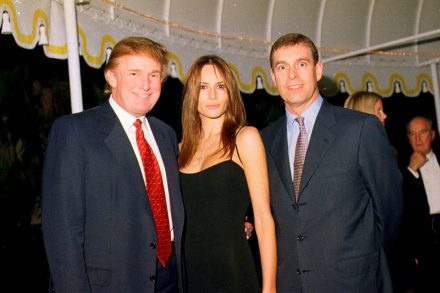
President Trump has had a mixed reaction to the enormous document dump of “Epstein files” from the Department of Justice a week ago. The President had a terse exchange with CNN’s Kaitlan Collins when she asked about the files Tuesday – yet in his pre-Super Bowl NBC interview, Trump was empathetic toward one of his predecessors. “It bothers me that they’re going after Bill Clinton,” he told Tom Llamas, referring to how the former president and his wife, Hillary, were being compelled to testify before Congress about Epstein. Cockburn wonders if that compassion extends to another figure he moved in the same circles as back in the early 2000s: Andrew Mountbatten-Windsor. The former prince

andrew epstein trade business

Jared Kushner’s international friendships with benefits

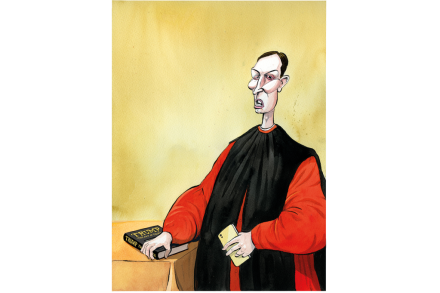
In 1998, the conservative intellectual and moralist Bill Bennett published a book, The Death of Outrage: Bill Clinton and the Assault on American Ideals. Bennett had to rush the book out after “I did not have sexual relations with that woman” changed to: “Indeed, I did have a relationship with Miss Lewinsky that was not appropriate.” But the Death of Outrage is almost too quaint a title to capture the age of Donald Trump, especially now that his son-in-law Jared Kushner is back as his closest foreign policy advisor. Trump told reporters who questioned Kushner’s role: “I have Jared. Find anybody more capable.” Perhaps there really is no one better at diplomacy in