Lies

Were the lies we told to combat communism so shameful?

This, we might imagine, is the Age of the Fake. AI videos; TikTok fascists; the Joycean mind-fragments of a US president for whom truth itself is an ever shifting quantum concept. Surely no other generation has had to navigate such a disorientating landscape of deceit. Or perhaps they have. Our old friends the Russians gave the world The Protocols of the Elders of Zion at the start of the 20th century – a lethal, widely circulated (and still circulating) hoax outlining the world-dominating plots of Jewish people. Meanwhile, a still unidentified forger composed the Zinoviev Letter, which was published by the Daily Mail a few days before the 1924 general election.

It was drug addiction that killed Elvis, not his greedy manager

Colonel Tom Parker (1909-97) was the man who ripped Elvis Presley off and worked him to death. That’s the received wisdom about the person who managed the King from 1955 until his premature death, aged 42, in 1977. Peter Guralnick’s book, written with full access to Parker’s unpublished, witty, clever letters, now owned by the Elvis Archives, gives a more nuanced, sympathetic picture. The author is no biased sensationalist. His Elvis biography, Last Train to Memphis (1995), is one of the most serious and reliable. So, yes, Parker was a serial liar, not least when it came to his identity. Born Andreas Cornelis van Kuijk in humble circumstances in Holland, he fled, aged 16, to America and was then kicked out. He returned three years later, changing his name to Tom Parker.

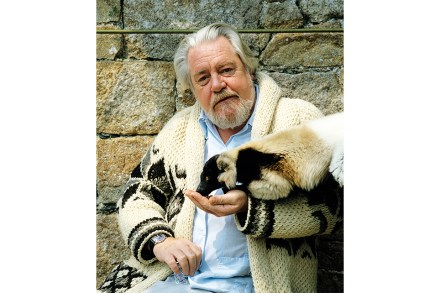
Four legs good, two legs bad – the philosophy of Gerald Durrell

We know of the Durrells mainly through their own writings, outstandingly My Family and Other Animals, about their years in Corfu in the 1930s, and from the image of them created by TV and film adaptations of this work. Gerald and Lawrence were the best known members of the family, the first as a zoologist and conservationist, the second as an experimental writer. Their siblings, Margaret (Margo) and Leslie, will always be perceived through the lens Gerald turned on them in My Family – the former as a flighty eccentric, something like an extra from a Carry On film, the latter as a pantomime villain. Their mother, Louisa, was loved unreservedly by her children and comes across in My Family as a kindly eccentric.

Fast and furious: America Fantastica, by Tim O’Brien, reviewed

It’s been said again and again but rarely so plainly illustrated: American life is now too berserk for fiction to keep up. Tim O’Brien’s wild, rollercoaster satire America Fantastica is as wacky as its title suggests; but it can’t compete with the daily trainwreck that calls itself the land of the free and the home of the brave. O’Brien tracks with furious contempt the spread of a highly contagious illness: mythomania and delusional conspiracy theories infecting the body politic and poisoning a defenceless citizenry in the dark pre-Covid days of 2019. The name ‘Trump’ is never mentioned in the novel, but the ‘avalanche of oratorical whoppers’ issuing from the White House is the obvious source of O’Brien’s raging dismay.

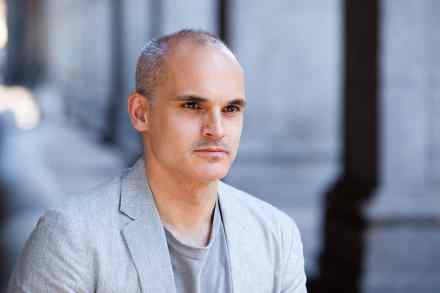
Wall Street madness: Trust, by Hernan Diaz, reviewed

‘I don’t trust fiction,’ the famous author told me, both of us several glasses to the good. ‘It contains too much truth.’ I nodded and she laughed and we drank more wine, but that sentence stayed with me in all its aphoristic glory. When she died, this was the first thing I remembered: our conspiratorial conversation in the deepest dark of 1990s Soho. This is not true. It has the feel of lived experience, yet it is entirely invented. The context, its placement and the fact that it is printed in a magazine gives it credence. As readers, we do not expect to be lied to. With a work of fiction, the opposite is true. Lies are all we can hope for.