Kremlin

The Kremlin’s secret plans for post-war Russia

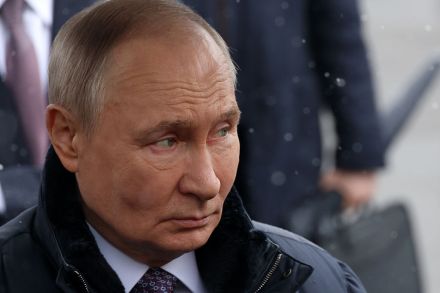
A top-level Kremlin policy document discussing post-war political planning and how to neutralize potential ultranationalist discontent has been leaked to the Russian investigative site Dossier Center. Entitled "Images of Victory," the paper gives a rare insight into the inner workings of Russia’s political machine. Crucially, it shows that while the Kremlin remains officially indifferent to peace talks, behind the scenes apparatchiks are working hard on selling an inevitable stalemate to the Russian people by dressing it up as a species of victory. The document was leaked before President Trump's announcement today of a three-day ceasefire between Russia and Ukraine.

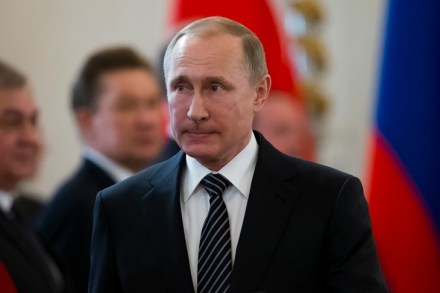
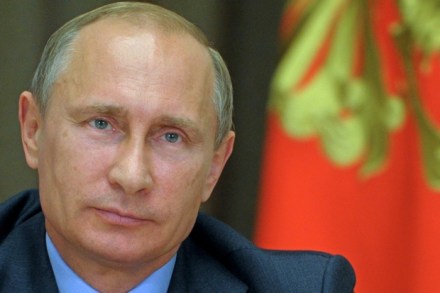
Putin

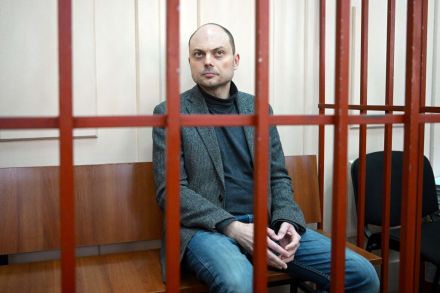
The valiant Vladimir Kara-Murza

Vladimir Kara-Murza dies hard. He has withstood not one but two poisoning attempts by Vladimir Putin's government. He has withstood the targeting of Russia's officials. And he has borne the ramifications of the West's turn away from confrontation with a regime he understands for its villainy. Now, Kara-Murza is facing what could be a final challenge — a trial against him based on the 2022 laws against "misinformation" about the Russian military in the Ukraine war, by an authoritarian regime bent on silencing all its critics and sending them into the dark quiet of a cell where they will end their days. Kara-Murza is forty-one, the father of three, a former advisor to assassinated Putin critic Boris Nemtsov and a longtime advocate against the regime.

vladimir kara-murza

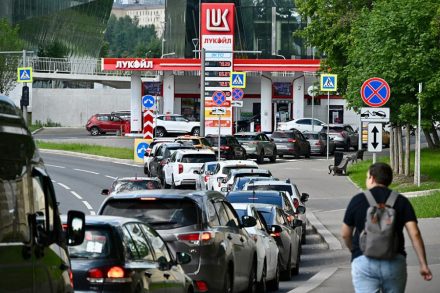
Are sanctions against Russia actually working?

Six months ago this week, the United States and its European allies enacted one of the most comprehensive, stringent sanctions regimes against a major economy in history. Russia’s unprovoked invasion of Ukraine on February 24 not only shocked the West’s sensibilities, but pushed Washington and Brussels to take actions that would have been unthinkable only a few weeks prior. As far as the West is concerned, Vladimir Putin’s Russia is nothing less than a dangerous pariah state — and its aggression against a neighboring country meant it had to be treated as one.